
International Yoga Day 2026: The Rising Relevance of Yoga Mudras in Modern Life
Every year on International Yoga Day, the world celebrates the timeless practice of yoga with great enthusiasm, focusing largely on physical postures that emphasize flexibility and fitness. While these asanas dominate public attention, there is a lesser-known yet profoundly impactful branch of yoga that has quietly survived the test of time—Yoga Mudras.
What Are Yoga Mudras?
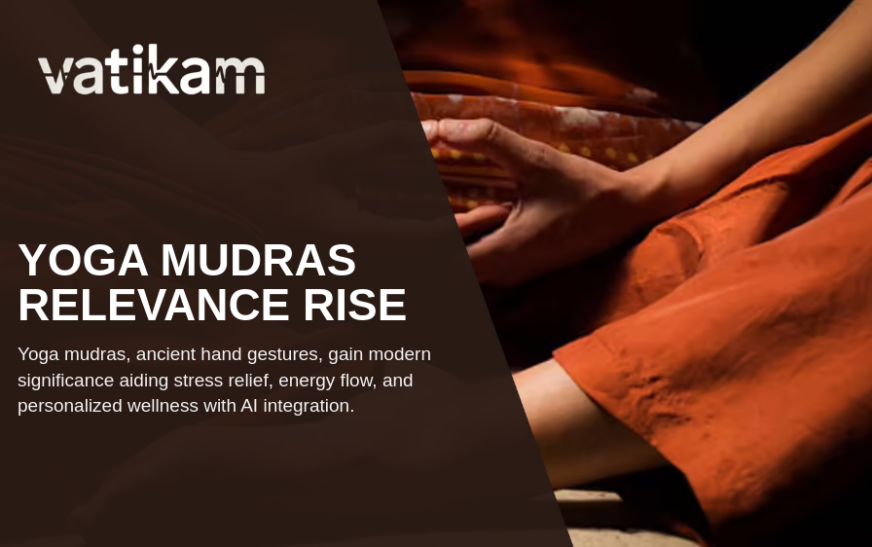
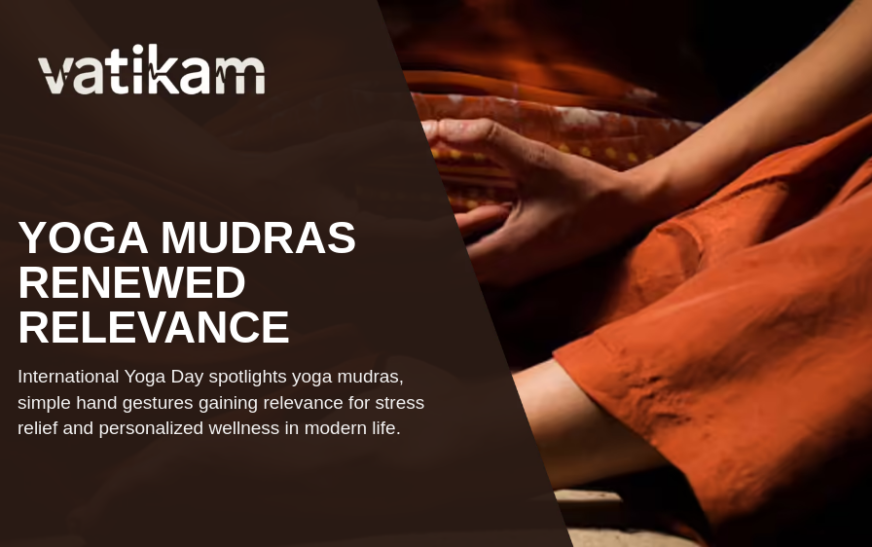
Yoga Mudras are subtle gestures involving the positioning of fingers and hands, practiced to influence the flow of energy within the body. Unlike the dynamic postures typically associated with yoga, mudras are simple, static hand gestures with no need for movement or physical exertion. Their simplicity often causes them to be overlooked, yet this very simplicity is their strength.
The Deeper Significance
Classic yogic texts describe mudras as tools to direct prana or life energy, aiming to promote objectives like improved concentration, emotional balance, heightened meditation experiences, and enhanced vitality. Whether explained through the lens of mindfulness or neurophysiology, mudras function on the principle that small, deliberate actions can influence significant internal states of health and well-being.
The Modern Wellness Challenge and Mudras’ Practicality
In today’s fast-paced world, people encounter constant distractions—from relentless notifications to balancing endless meetings and deadlines. This fragmentation of attention makes sustaining extensive wellness routines challenging. Most people are well-informed about wellness practices, but consistency is the real hurdle.
Yoga Mudras shine in this context due to their extreme practicality. They do not require special space, equipment, or a large time commitment. You can practice mudras anywhere—while commuting, during short breaks at work, meditation, or in moments before sleep. This easy accessibility makes mudras an ideal wellness tool for modern, busy lifestyles.
Wellness researcher Sidhharrth S Kumaar highlights, “The biggest challenge in wellness today is not awareness but consistency. Practices that are simple enough to integrate into daily life often yield the best long-term benefits.”
Benefits of Regular Yoga Mudra Practice
According to Sidhharrth S Kumaar, consistent practice of yoga mudras brings several benefits relevant to today’s digital age challenges. These include:
- Reduced stress and improved stress management
- Greater emotional stability
- Enhanced sleep quality
- Improved focus and concentration
- Increased energy levels and vitality
While individual results may vary, the simplicity and versatility of mudras make them an accessible and powerful method for cultivating well-being amidst life’s demands.
Emerging Research and Personalization in Wellness
As the wellness industry evolves, research is delving into personalization—understanding that different individuals may benefit from tailored practices rather than a one-size-fits-all approach. A recent study led by Sidhharrth S Kumaar using AI-personalized yoga mudras demonstrated a remarkable 60.6% improvement in participants’ quality of life.
This reflects a growing trend where artificial intelligence and digital health can customize wellness routines according to individual needs, lifestyles, and even cognitive markers like astrology and numerology. Such personalization promises to revolutionize how wellness practices, including yoga mudras, are adopted and sustained.
The Future of Yoga and Wellness
The wellness world continually seeks new breakthroughs, yet real progress might not lie in creating more techniques but in adopting practices most relevant to individuals at specific times. Traditional knowledge systems have long acknowledged that each person is unique, and modern advancements now allow personalized application at scale.
International Yoga Day serves as a timely reminder that yoga’s future depends not only on physical flexibility but also on the flexibility of our approaches and adaptations. Embracing yoga mudras with their simplicity and deep impact aligns perfectly with the needs of today’s complex, fast-moving world.
In summary, Yoga Mudras are an ancient yet profoundly practical wellness tool. Their rising relevance in 2026 highlights a shift towards simplicity, accessibility, and personalization in holistic health practices, perfectly suited for modern life challenges.