
Early Detection and Lifestyle Changes Key to Tackling Rising Hypertension Cases in India
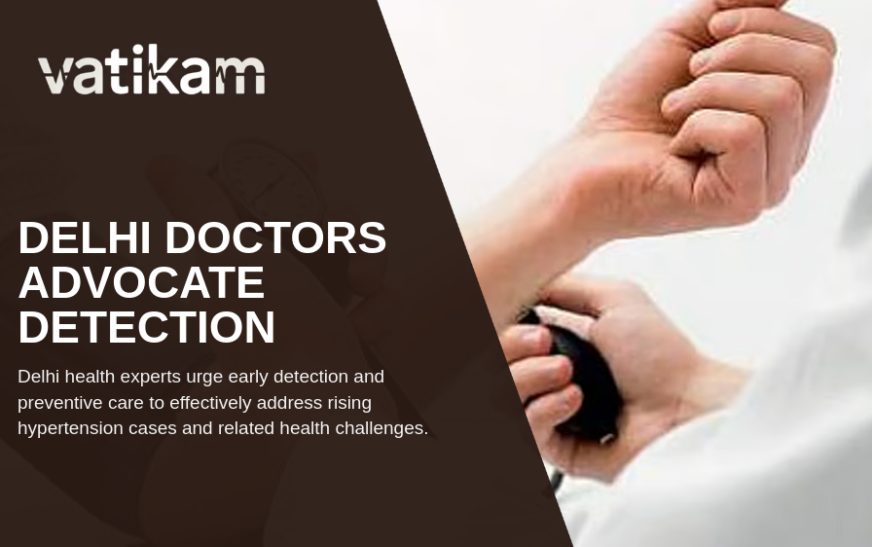
Hypertension, commonly known as high blood pressure, is increasingly becoming a significant health concern in India, affecting all age groups including children and young adults. Health experts emphasize the importance of early detection, preventive care, and lifestyle modifications to combat this growing epidemic effectively.
Hypertension: A Silent Killer Affecting All Demographics
During the Illness to Wellness Conference on Transforming Hypertension Care: Prevention to Wellness, held ahead of World Hypertension Day 2026, experts highlighted urgent concerns about rising hypertension cases not only in urban populations but also rural areas. Prof. Rakesh Yadav of AIIMS pointed out that hypertension now impacts people across all sectors of society, including younger demographics, underlining the pressing need for regular monitoring and affordable treatment options.
Factors Driving the Surge in Hypertension Among the Youth
Union Minister of State for Ayush, Prataprao Jadhav, attributed the rapid increase in hypertension cases among youth to changing lifestyles and neglect of physical and mental health. Modern living, characterized by long working hours, inadequate sleep, sedentary habits, and high stress levels, has made young adults particularly vulnerable.
Anil Rajput, chairperson of the advisory council of the Illness to Wellness Foundation, noted that anxiety related to job security and Artificial Intelligence also plays a role. However, he added that with responsible AI deployment, quality of life and health outcomes could improve.
Government Initiatives for Hypertension Management
The government is proactively addressing hypertension through the National Programme for Prevention and Control of Non-Communicable Diseases (NPCDCS). Health and Wellness Centres across India facilitate population-based screening, early detection, and management of hypertension cases.
Former Union health secretary Rajesh Bhushan emphasized equal prevalence in rural and urban regions and underscored early detection’s paramount importance to ensure timely treatment and reduce economic impacts caused by non-communicable diseases.
Effective Strategies for Prevention and Control
Dr. Ripen Gupta of Max Smart Super Speciality Hospital shared alarming statistics, mentioning that nearly one in four adults suffers from hypertension. Despite this, awareness and effective blood pressure control remain low.
Experts recommend the following lifestyle interventions:
- Annual blood pressure screening to detect hypertension early.
- Aerobic exercises and resistance training to strengthen cardiovascular health.
- Maintaining proper sleep hygiene to help regulate blood pressure.
- Practicing yoga and meditation for stress management.
- Adopting healthy dietary habits and managing weight effectively.
Special Focus on Hypertension During Pregnancy and Organ Health
The conference also included sessions addressing hypertension during pregnancy, highlighting the need for early screening and preventive care to ensure maternal and fetal health. Additionally, experts discussed the critical impact of hypertension on vital organs such as the heart, brain, and kidneys, stressing preventive healthcare.
Conclusion
The rising prevalence of hypertension across all segments of society demands a multifaceted approach that includes early detection, government-supported screening programs, lifestyle changes, and public awareness campaigns. By adopting these strategies, individuals can manage their blood pressure effectively and reduce the risk of severe complications such as heart attacks, strokes, and organ damage.
For continuous updates on health and well-being, staying informed through trusted sources and regular medical consultations is essential.