
India Strengthens Strategic Partnership with UAE: A Step Towards Peace in West Asia
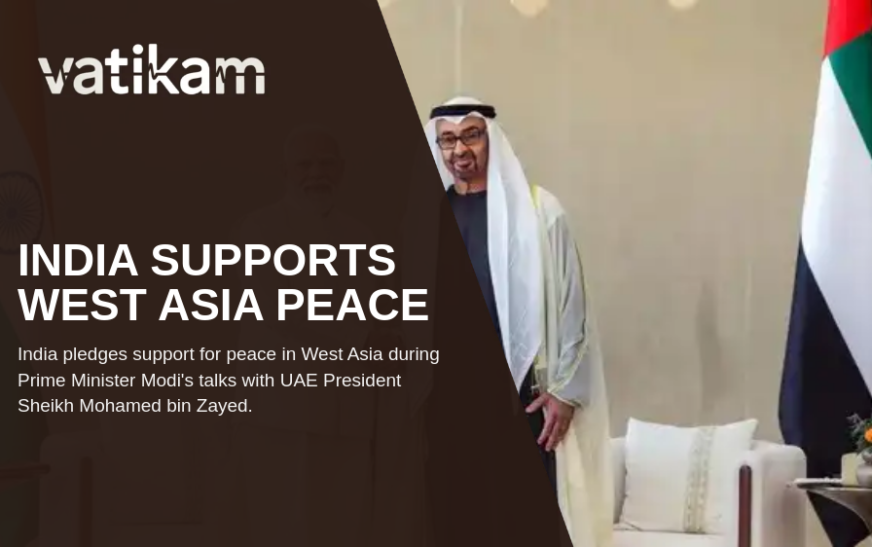
On May 15, 2026, during a significant diplomatic visit to Abu Dhabi, Prime Minister Narendra Modi reaffirmed India’s commitment to supporting peace efforts in West Asia. This visit marked an important milestone in India-UAE relations, as both nations signed multiple agreements to enhance their strategic collaboration across various critical sectors including energy, defense, and technology.
India’s Commitment to Peace in West Asia
Amid ongoing regional tensions stemming from the US-Israeli conflict with Iran, which has led to attacks on the UAE, Prime Minister Modi expressed strong condemnation of these assaults. He praised the UAE’s measured response and emphasized the global impact of the West Asian unrest, stating: “India is ready to extend all possible support to bring peace in West Asia.” This pledge underscores India’s proactive diplomatic stance in promoting stability and security in the region.
Key Agreements Boosting India-UAE Relations
The bilateral talks between Prime Minister Modi and UAE President Sheikh Mohamed bin Zayed Al Nahyan culminated in signing agreements that solidify their Comprehensive Strategic Partnership. The agreements, covering seven strategic collaboration areas, highlight burgeoning cooperation and investment between the two countries.
Major Areas of Collaboration
- Energy Security: The Indian Strategic Petroleum Reserves Limited inked a deal with Abu Dhabi National Oil Company, focusing on enhancing India’s petroleum reserves and exploring cooperation on Liquid Natural Gas and Liquid Petroleum Gas storage facilities.
- LPG Supply Partnership: A pact designed for the long-term supply and stability in LPG, vital as India’s most widely used cooking fuel.
- Defense Collaboration: A framework was established to strengthen defense industry cooperation, foster innovation, share technologies, and consolidate national and regional security.
- Maritime Infrastructure: Plans include establishing a ship repair center in Gujarat’s Vadinar and initiatives to boost ports and coastal infrastructure.
- Skill Development in Ship Repair: An arrangement aimed at enhancing skillsets in maritime repairs.
- Technological Advancements: The setup of a supercomputer cluster to advance India’s ambitions in artificial intelligence.
- Investment Commitment: UAE pledged USD 5 billion towards creating stronger markets and employment opportunities in India, emphasizing sustained commitment to India’s growth.
Strategic Importance and Broader Implications
The visit and resulting agreements come at a pivotal time when West Asia faces increased geopolitical complexities involving key regional players like the UAE, Saudi Arabia, Iran, Israel, and the United States. India’s growing ties with the UAE not only aim to secure energy routes such as the crucial Strait of Hormuz but also enhance cooperation in technology and defense to address these evolving challenges.
Beyond energy and defense, discussions also touched upon the blue economy, fintech innovations, and people-to-people relations, indicating a holistic approach to strengthening the bilateral relationship.
Looking Ahead: India’s Multi-Nation European Tour
Following the brief yet productive stopover in the UAE, Prime Minister Modi proceeded to visit four European countries—Netherlands, Sweden, Norway, and Italy. The focus of these visits is to intensify cooperation in trade, technology, investment, and green initiatives, further advancing India’s global diplomatic and economic engagements.
Conclusion
India’s outreach to the UAE signals not just a deepening of bilateral ties but also a strategic positioning to foster peace and security in the West Asian region amidst ongoing conflicts. The newly inked agreements enhance economic, technological, and defense collaborations, highlighting a future-oriented partnership that promises mutual growth and regional stability.
Prime Minister Modi’s visit underscores the importance of diplomatic synergy in addressing global challenges and driving national development agendas.