
How Advanced Analytics Partnerships Are Transforming the Biopharma Value Chain
Artificial intelligence (AI) and advanced analytics are reshaping the pharmaceutical and biopharmaceutical industries, enhancing drug discovery, manufacturing, and supply chain operations. Leading experts from Sanofi, GxP Frame, and Open Biopharma provide insights into how strategic partnerships leveraging AI are driving improvements across the biopharma value chain.
The Role of AI in Drug Discovery and Development
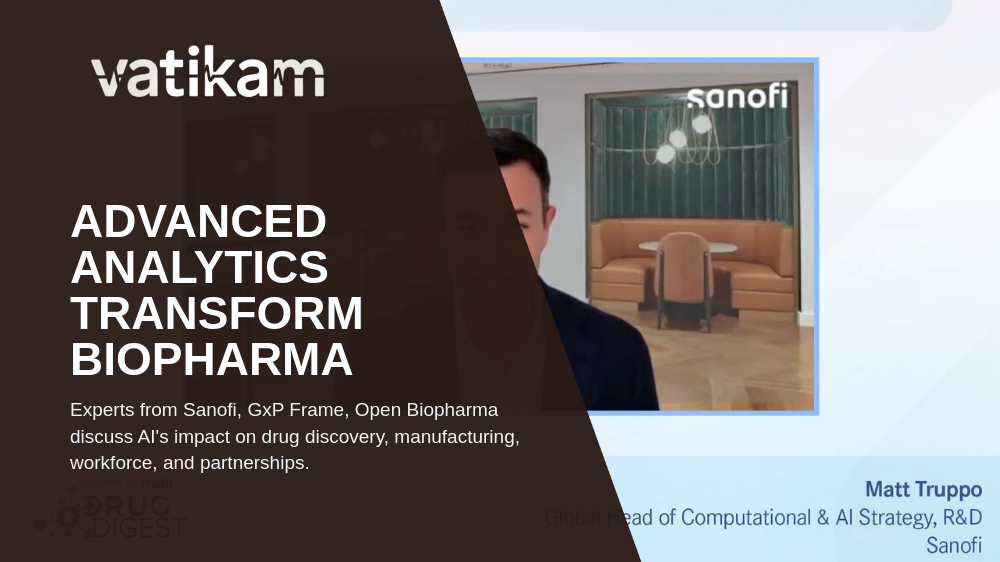
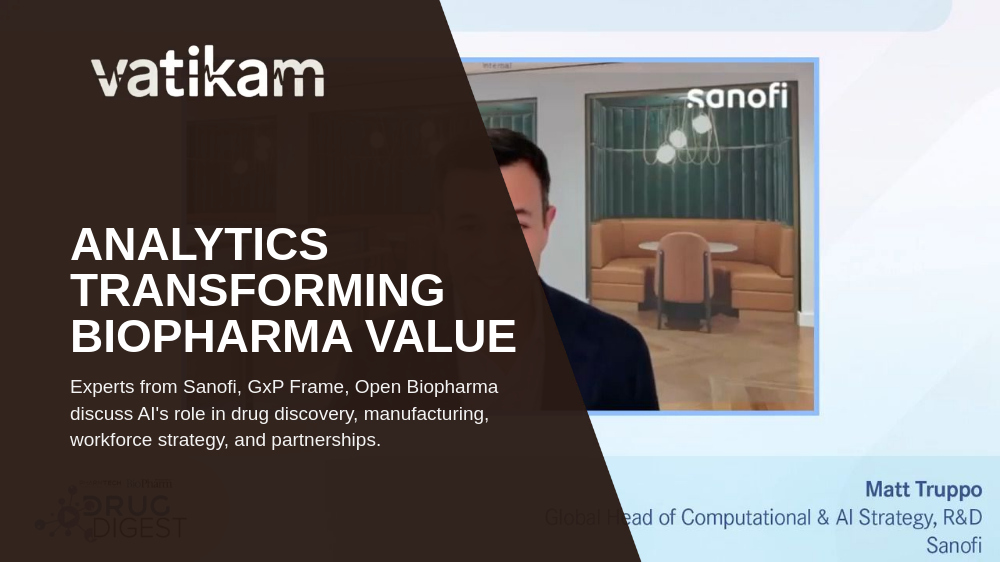
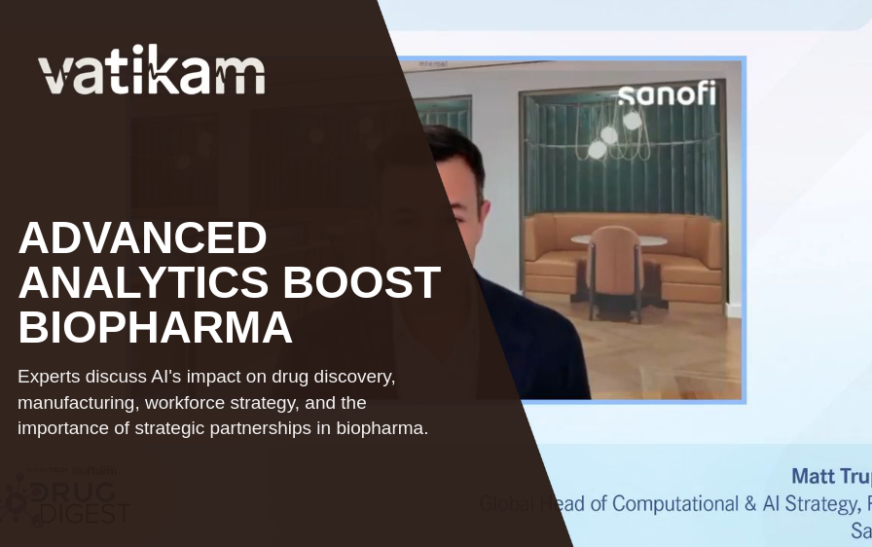
Matt Truppo, Global Head of Computational and AI Strategy at Sanofi, explains that the primary value of AI is connecting diverse datasets that were previously siloed. These data types include molecular structures, biological assay results, patient demographics, and clinical site performance. Rather than generating entirely autonomous answers, AI improves the quality of scientific decisions by integrating this information.
For example, Sanofi uses disease-specific target identification systems that combine genetics, proteomics, transcriptomics, and single-cell data. This approach helps researchers to evaluate target druggability, tissue expression, and identify optimal therapeutic modalities, accelerating drug discovery timelines.
Embedding Human Oversight in AI Workflows
A consistent theme emphasized by all three experts is the necessity of embedding human oversight structurally within AI workflows. This oversight is critical to maintain data integrity, regulatory compliance, and to ensure outputs are actionable and defensible in regulated environments.
Richard Jaenisch, Senior Director at Open Biopharma, stresses the importance of explainable AI. Outputs must be traceable and transparent to regulators during audits and inspections. Without the ability to provide detailed explanations and audit trails, organizations risk compliance issues.
Truppo further highlights prerequisites for successful AI integration in biopharma research and manufacturing: strong data governance, source traceability, and clearly defined model uncertainty. These elements underpin trustworthy AI applications and facilitate collaboration with strategic partners.
AI’s Impact on Manufacturing and Supply Chain Operations
Brian Drapeau, founder of GxP Frame, notes that AI’s most valuable applications in manufacturing and supply chain are often operational rather than headline-grabbing. Examples include deviation management, batch record review, predictive maintenance, and forecasting supply and demand.
In innovative fields such as cell and gene therapy (CGT), supply chain operations are uniquely patient-specific. AI’s ability to maintain chain of identity and chain of custody significantly enhances product safety and traceability. Since no single manufacturer typically controls the entire CGT supply chain, effective cross-company partnerships facilitated by AI are essential.
Drapeau cautions that partnerships must involve AI providers capable of integrating multiple domains with robust data governance frameworks. Competency extends beyond completing AI tasks to include the independent judgment necessary to evaluate and troubleshoot AI model outputs critically.
Leading Experts Driving AI Integration in Biopharma
- Matt Truppo — With over 20 years of experience and a PhD in Chemistry, Truppo leads AI strategies at Sanofi to accelerate R&D and develop first-in-class therapies.
- Richard Jaenisch — Bringing extensive expertise in patient advocacy and STEM education, Jaenisch guides AI integration and digital education efforts at Open Biopharma.
- Brian Drapeau — Founder of GxP Frame, Drapeau specializes in workforce development and regulatory compliance for biotech manufacturing and supply chains.
Conclusion
Advanced analytics and AI partnerships are pivotal in transforming the biopharma value chain, from discovery to manufacturing and supply chain management. Success depends on robust data integration, human oversight, explainable AI, and strategic collaboration across the industry. As biopharma companies continue to embrace AI, these principles will ensure innovations translate into safer, more effective therapies delivered efficiently to patients.