
AI-Powered Monsoon Forecasting System by IITM Pune: A Game-Changer for Indian Farmers
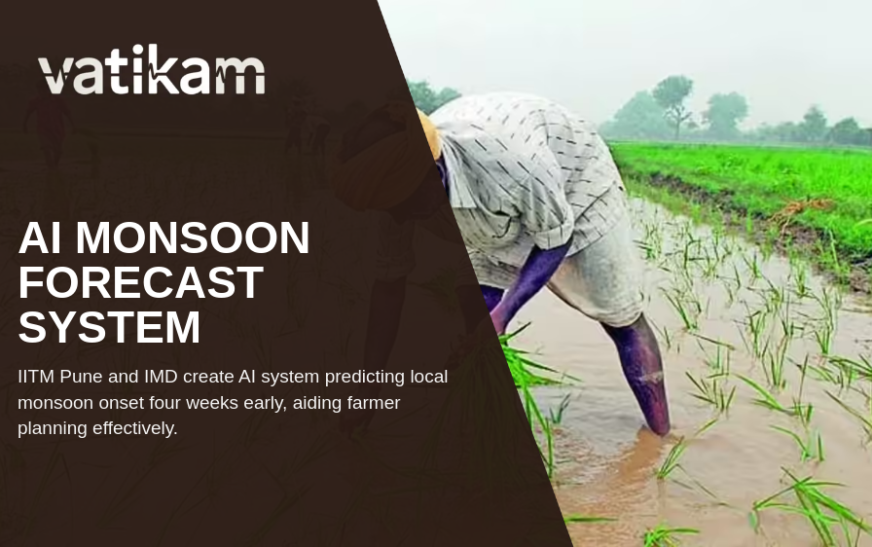
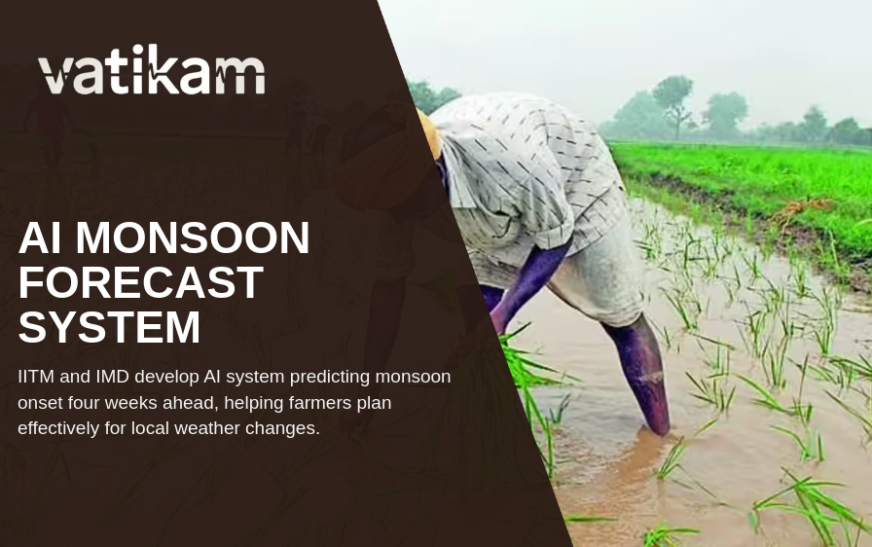
The Indian Institute of Tropical Meteorology (IITM) in Pune, in collaboration with India Meteorological Department (IMD) and other eminent scientific bodies, has pioneered a cutting-edge artificial intelligence (AI) based monsoon forecasting system. This innovative platform, known as the Local Monsoon Onset Forecasting System, empowers farmers by providing localized monsoon predictions up to four weeks in advance.
Why Localized Monsoon Forecasting Matters
Monsoon onset timing is a critical factor impacting India’s predominantly agrarian economy. Variations in monsoon arrival—whether delays or early onset—affect farmers’ decisions regarding sowing, irrigation, and other crop management practices. Traditional seasonal forecasts, while helpful, often present broad outlooks that lack specificity required at local levels.
The new system developed at IITM aims to bridge this gap by delivering probabilistic, location-specific forecasting. Farmers can access timely information tailored to their region, enabling better planning and risk management during the crucial monsoon season.
How the AI Forecasting System Works
The system employs an innovative blended model approach that integrates artificial intelligence with established weather prediction frameworks and statistical methods. This multi-model methodology enhances forecast accuracy and reliability.
- Artificial Intelligence Forecasting System (AIFS): Developed by the European Centre for Medium-Range Weather Forecasts (ECMWF) and operated at IITM, this open-access AI model leverages machine learning to analyze complex weather patterns effectively.
- IITM Extended Range Prediction Model: Operated jointly by IITM and IMD, this model provides extended range weather predictions essential for strategic agricultural decisions.
- Evolving Expectation Model: Designed by the Human-Centered Weather Forecasts Initiative (HCWF) team, this statistical model refines the probabilistic outcomes to suit localized needs.
Collaboration Under Ministry of Earth Sciences
The forecasting system is a result of joint efforts by Ministry of Earth Sciences (MoES) institutions, including the IMD, IITM Pune, and HCWF. Such collaboration ensures integration of diverse expertise, advancing India’s capacity to deliver high-quality meteorological services.
Implications for Indian Agriculture
This advanced forecasting system promises transformative benefits for farmers:
- Improved Crop Yield: Advance notice facilitates timely sowing, which directly correlates with better yields.
- Resource Optimization: Efficient irrigation and fertilization scheduling reduce waste and input costs.
- Risk Mitigation: Early warnings allow farmers to prepare for monsoon variability, reducing crop losses.
- Economic Stability: Predictable monsoon patterns contribute to stable agricultural production and rural incomes.
Future Outlook
By integrating AI technology with traditional meteorological science, the Local Monsoon Onset Forecasting System exemplifies the potential of innovation to support sustainable agriculture. As the technology evolves, it is expected to extend its scope to other weather events, ensuring farmers across India are equipped with precise, actionable weather intelligence.
Farmers, policymakers, and agricultural planners can look forward to leveraging this system for strategic decision-making, thereby fostering resilience in the face of climate uncertainties.