
Constant Fatigue in a 42-Year-Old Gym Goer Linked to Zinc Supplement Overuse
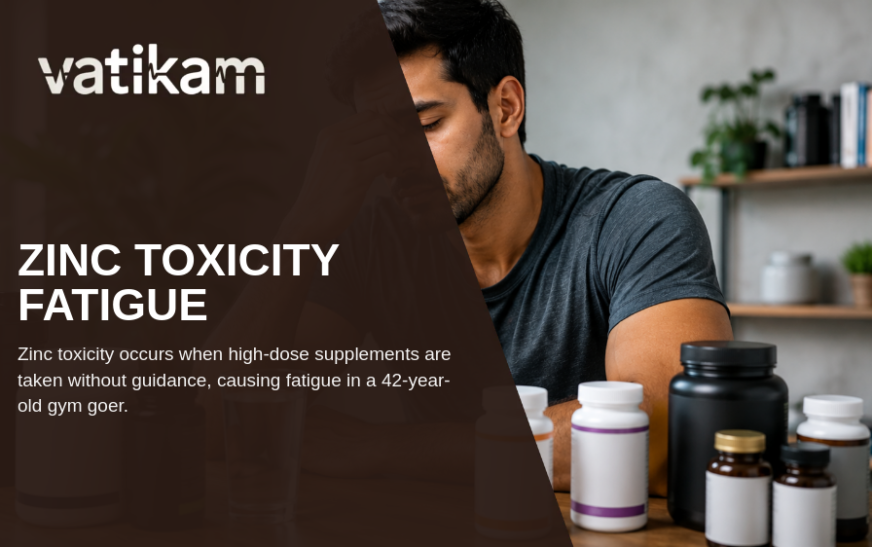
Many individuals turn to zinc supplements to enhance their immunity and overall health, but improper dosage or excessive intake can lead to adverse effects. A recent case study shared by lifestyle coach Luke Coutinho highlights how a 42-year-old man, despite maintaining healthy habits like regular exercise, a balanced diet, and adequate sleep, suffered from persistent fatigue, brain fog, digestive issues, and frequent cold infections for over six months.
Understanding the Root Cause: Excess Zinc Intake
The man’s symptoms were traced back to zinc toxicity, caused by the cumulative intake of zinc from multiple sources. Initially starting with a single zinc supplement during the pandemic, he gradually incorporated additional products including immunity formulas and multivitamins, all containing zinc, unknowingly exceeding safe limits.
Zinc is an essential mineral that plays a pivotal role in supporting immunity and various bodily functions. However, as Dr. Vineeta Singh Tandon, Senior Consultant in Internal Medicine at ISIC Multispeciality Hospital, explains, excessive zinc intake can paradoxically impair health rather than improve it.
How Much Zinc is Safe?
Adults typically require about 8-11 mg of zinc daily, depending on age and gender. The tolerable upper intake level is generally set at 40 mg per day for most adults. Consuming zinc beyond this threshold, especially through multiple supplement sources, raises the risk of toxicity.
Dr. Manjusha Agarwal, Consultant in Internal Medicine at Gleneagles Hospital, Mumbai, warns that zinc is often present in various over-the-counter products including multivitamins, immunity boosters, and mineral supplements. When combined, these can push total zinc intake beyond safe levels without the user’s knowledge.
Early Signs of Zinc Overdose
- Nausea and vomiting
- Stomach cramps and abdominal discomfort
- Diarrhea
- Metallic taste in the mouth
With prolonged zinc excess, symptoms may become subtle and include chronic fatigue, brain fog, anemia, and increased vulnerability to infections.
How Does Excess Zinc Affect the Body?
Prolonged high zinc levels can interfere with copper absorption, leading to secondary copper deficiency. Zinc and copper compete for absorption in the intestines, and excessive zinc induces a protein that binds copper, preventing its proper absorption.
Copper is crucial for numerous bodily processes such as energy production, immune function, red blood cell formation, and nervous system health. A deficiency can manifest as:
- Fatigue and weakness
- Poor concentration and brain fog
- Anemia
- Nerve-related symptoms
- Weakened immunity and frequent infections
Who Should Be Cautious?
Individuals who regularly consume high-dose zinc supplements or multiple dietary supplements containing zinc are at increased risk for zinc toxicity. Self-prescribing supplements without medical guidance increases this risk.
Dr. Tandon advises that those taking zinc supplements for extended periods, especially with symptoms like fatigue, weakness, or frequent infections, should consult healthcare professionals. Tests such as serum zinc, serum copper, and complete blood count (CBC) can help diagnose zinc toxicity.
Managing Zinc Toxicity
Treatment primarily involves discontinuing excess zinc intake and addressing any nutritional deficiencies, particularly of copper. Most patients show gradual symptom improvement following these interventions. Early detection and management lead to better recovery outcomes.
Key Takeaways
- Zinc is vital but excessive intake, especially via multiple supplements, can cause serious health issues.
- Stay within the recommended daily allowance of 8-11 mg, not exceeding 40 mg without medical supervision.
- Be aware of zinc content in combined supplements to avoid accidental overdose.
- Watch for symptoms like fatigue, brain fog, and digestive discomfort as potential signs of zinc toxicity.
- Consult a healthcare provider before starting or continuing zinc supplementation long-term.
Maintaining a balanced approach to supplementation and healthcare guidance is essential to harness the benefits of zinc without the risks. If you experience unexplained fatigue or other related symptoms despite a healthy lifestyle, review your supplement intake and seek professional advice.