
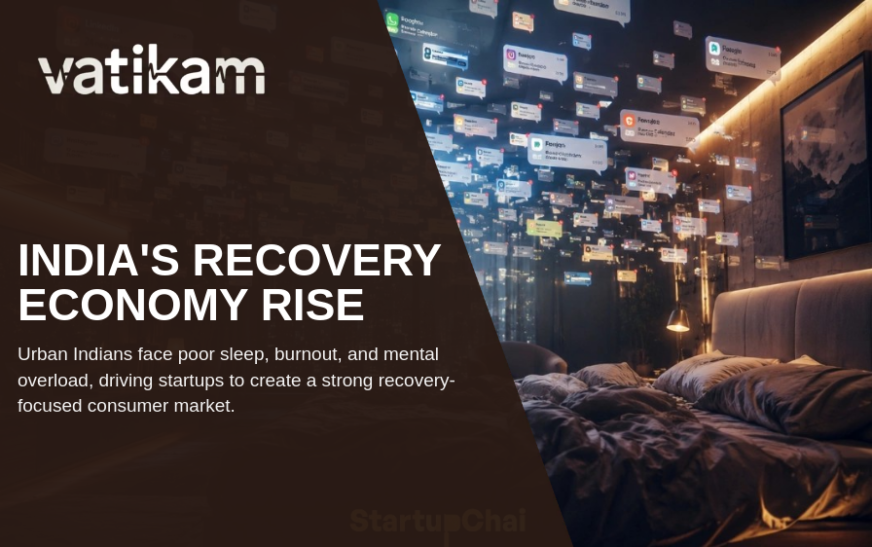
The Rise of India’s Recovery Economy: From Fatigue to Wellness Innovation
Urban India is facing an unprecedented wave of exhaustion. Unlike previous wellness trends centered around fitness, yoga, and aspiration-driven self-improvement, a new consumer demand is emerging—rooted in the need for recovery. Sleep troubles, burnout, mental overload, and screen fatigue are driving a burgeoning market focused on rest, mental calm, and physical decompression. This article explores how startups in India are responding to these challenges, giving rise to what is now known as the recovery economy.
What is the Recovery Economy?
The recovery economy is a consumer market springing from urban India’s fatigue rather than aspiration. It is driven by people seeking basic relief: how to sleep better, focus more, and decompress from constant pressure and exhaustion.
Startups like Wakefit, Ultrahuman, Wysa, Amaha, YourDOST, and Urban Company are pioneering this space, offering products and services from mattresses and sleep tracking rings to mental health apps and at-home massage services. These solutions cater to underlying fatigue that affects millions across India’s urban centers.
The Shift from Aspiration to Survival
Historically, India’s wellness market focused on aspiration—ideal body image, skincare, fitness, and self-optimization for social validation. Today, the question urban consumers ask is no longer about transforming appearances; it is about simply managing exhaustion and sustaining functionality amid nonstop work, long commutes, and relentless connectivity.
This shift reflects a deeper cultural change—from a moral valorization of exhaustion to recognizing rest as essential for survival. The recovery economy meets this change by creating consumer categories around previously neglected needs like quality sleep and mental calm.
Sleep: The Keystone of Recovery
Sleep has emerged as the most foundational element of the recovery economy. Companies like Wakefit have redefined mattresses not just as products but as tools for better performance through rest. Wakefit’s success, including its IPO filings and growing revenues, signals how sleep has become a monetizable consumer problem.
Following the first wave of comfort-oriented products, startups like Ultrahuman offer advanced bio-tracking technology. Their smart rings monitor sleep quality, heart rate variability, temperature, and movement to provide personalized insights on recovery, helping users understand why typical rest might still leave them tired.
Mental Health and Emotional Support
Exhaustion is not only physical; mental fatigue and anxiety are equally pressing. India’s mental health market is growing but faces stigma and resource shortages. Companies such as Wysa leverage AI-based chatbots to provide accessible, anonymous emotional support, lowering social barriers to seeking help.
Amaha, YourDOST, and MindPeers offer therapy, psychiatry, and workplace mental wellness, targeting formal care and institutional adoption. Increasingly, organizations recognize burnout as a business risk affecting productivity and retention, prompting investment in employee mental health.
Decompression and Physical Recovery Services
Services that offer immediate relief from physical and mental overload, such as Urban Company’s at-home spa and massage offerings, are gaining traction. Convenience is key, as urban travel and time constraints make traditional spa visits challenging.
Similarly, the market for at-home physiotherapy, yoga, posture correction, and breathwork is likely to grow. These services address common urban ailments like neck and back pain, eye strain, and tension from sedentary lifestyles.
Supplementing Recovery: Nutrition and Wellness Products
D2C brands like What’s Up Wellness, Kapiva, Oziva, and Fast&Up are shifting focus from general immunity or bodybuilding supplements to wellness categories targeting sleep enhancement, stress relief, gut health, and hormonal balance.
Supplements offer low-friction, private solutions for consumers wary of formal therapy, but they also present risks of becoming quick fixes without addressing underlying lifestyle issues. Trust and regulation will play important roles as this segment grows.
The Future Landscape of the Recovery Economy
The recovery economy is not a monolithic market, but a constellation of micro-markets each addressing specific fatigue-related challenges faced by different demographics—from students and new parents to startup founders and gig workers.
- Student-focused platforms for exam stress management
- Women-centric solutions integrating hormonal health and mental wellness
- Founder burnout and decision fatigue communities
- Corporate employee wellness programs with privacy safeguards
- Urban recovery clubs offering spaces for rest and decompression
Successful recovery startups will combine specific use cases, credible outcomes, habit-forming technology, and culturally relevant communication rather than generic wellness messaging.
Challenges and Ethical Considerations
While the recovery economy presents lucrative opportunities—high-frequency use, recurring revenue, and diverse monetization routes—it also faces challenges:
- Maintaining clinical quality and trust amidst scarce therapist availability
- Addressing privacy and ethical concerns in workplace wellness and data tracking
- Balancing product accessibility with premium positioning to avoid elitism
- Preventing monetization of exhaustion without addressing root causes in workplace culture
The sector must navigate these issues carefully to build genuine value rather than superficial wellness trends.
Conclusion: A New Phase in Indian Urban Consumption
India’s urban middle class is transitioning from consumption driven by access and aspiration to consumption driven by recovery. After years of chasing productivity, convenience, and status, consumers are prioritizing slower breathing, better sleep, and mental calm.
The rise of the recovery economy marks a fundamental shift in how wellness is perceived—not as luxury or vanity, but as a necessary foundation to withstand modern life’s demands. The best companies will focus less on vague promises and more on solving tangible problems of fatigue and stress, ultimately enabling millions of tired Indians to rest better and live healthier.