
AI Software at PGIMER Chandigarh Revolutionizes Early Detection of Gall Bladder Cancer
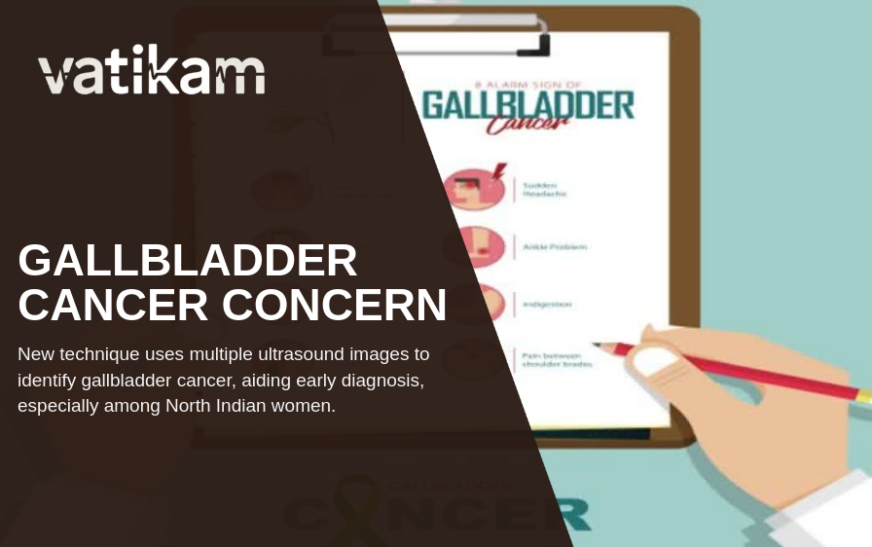
Gall bladder cancer is a growing health concern in North India, particularly among women, where late diagnosis often limits treatment options. The Post Graduate Institute of Medical Education and Research (PGIMER) Chandigarh has made significant progress by developing an artificial intelligence (AI) software that enables early detection of gall bladder cancer using multiple ultrasound images. This breakthrough can potentially transform cancer diagnosis, especially in resource-limited settings.
Challenges in Early Diagnosis of Gall Bladder Cancer
Gall bladder cancer is notoriously difficult to diagnose early. Its symptoms often overlap with other gall bladder diseases like gall stones, which are a major risk factor. Most patients are diagnosed at an advanced stage, resulting in poor prognosis and limited treatment avenues. Early and accurate diagnosis is critical to improving survival rates for this deadly disease.
Innovative AI Technology Developed at PGIMER
A research team led by Dr. Pankaj Gupta from the Department of Radiodiagnosis and Imaging at PGIMER Chandigarh has designed an AI system that analyzes multiple ultrasound images simultaneously. Unlike conventional AI models that analyze single images, this advanced software evaluates several images at once to determine the likelihood of cancerous versus non-cancerous conditions.
- The AI highlights specific areas in ultrasound images that indicate cancer, aiding doctors in interpreting results more accurately.
- The system enhances diagnostic confidence, especially for less experienced radiologists.
- It is an inexpensive and readily accessible diagnostic tool that can be widely deployed.
Benefits for Rural and Underserved Areas
Ultrasound is a common, low-cost imaging technique, but detecting cancer early requires expertise not always available in small towns and rural areas. The AI software serves as a vital diagnostic assistant in these settings, helping bridge the gap where specialist doctors are scarce. This democratization of cancer diagnosis through technology can save many lives by enabling timely treatment.
Clinical Validation and Future Outlook
The PGIMER research team tested the AI application on patients from four hospitals across North India. The results have been promising and have earned recognition in the internationally reputed medical journal The Lancet Regional Health–Southeast Asia. Computer scientist Kartik Bose played a crucial role in developing a user-friendly application that doctors and researchers across the country can access free of cost.
Currently, PGIMER is conducting large-scale clinical trials to validate the utility of this AI technology further. The hope is that it will soon become a standard part of routine ultrasound screening, enabling early detection and improving treatment outcomes for patients with gall bladder cancer.
PGIMER Chandigarh: Leading Innovation in Healthcare
PGIMER Chandigarh is one of India’s premier medical institutes, serving patients from multiple northern states and beyond. Its commitment to research and innovation continues to contribute to improved healthcare solutions for complex diseases.
The development of this AI software marks a significant step forward in the fight against gall bladder cancer, offering new hope for patients and medical professionals alike.