
The Power of Nintai: Embracing Japanese Philosophy for Calm and Resilience
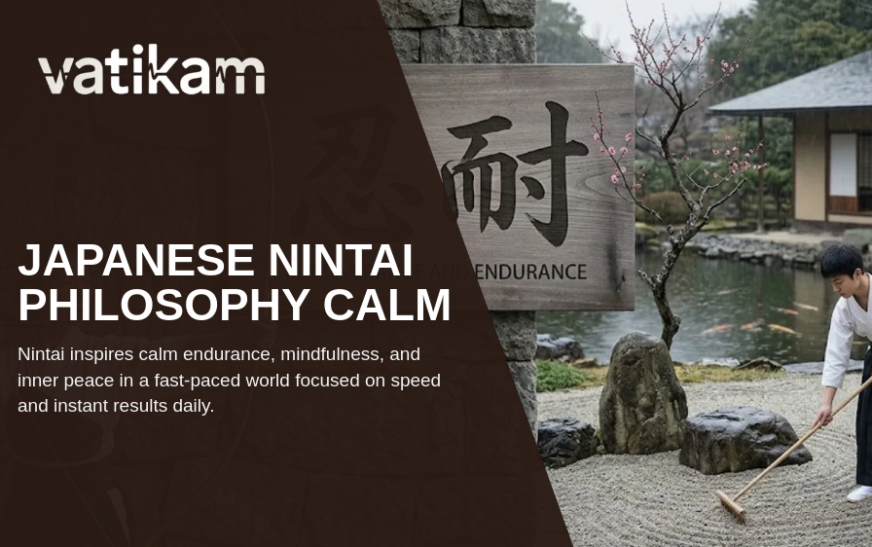
In today’s fast-paced world, where instant gratification and relentless productivity dominate our lives, the ancient Japanese philosophy of Nintai offers a refreshing approach to managing stress and cultivating inner peace. Nintai encourages a mindful, patient endurance with dignity—teaching us to navigate life’s challenges calmly and gracefully.
What is Nintai?
The term Nintai is derived from two Japanese words: Nin meaning to endure, and Tai meaning to push through. Together, they translate to “patient endurance with dignity.” Unlike the modern concept of resilience, which often emphasizes bouncing back quickly from adversity, Nintai invites us to meet challenges head-on with calm acceptance and inner grace.
According to Saamdu Chetri, Director of the Yogananda School of Spirituality and Happiness at Shoolini University, Nintai is more than just coping—it is about being fully present with difficulties while maintaining mindfulness and peace of mind. This spiritual perspective contrasts with Western psychology, which frequently focuses on external recovery rather than inner transformation.
How Nintai Differs from Modern Resilience
Modern psychology often defines resilience as the capacity to rebound or recover quickly from setbacks. While this is valuable, Nintai emphasizes a deeper, steadier form of endurance that is less about reaction and more about presence and acceptance.
Chetri explains, “It’s not about rebounding, but about being with the challenge — enduring it calmly, with inner grace and mindfulness. Resilience can be calm and steady, emanating from a sense of peace rather than struggle.” This subtle but powerful mindset shift helps cultivate long-term emotional strength and stability by transforming our relationship with stress.
The Stress-Reducing Benefits of Practicing Nintai
Practicing Nintai influences mental health positively by nurturing patience and emotional endurance. Chetri highlights that through the cultivation of five divine endowments—imagination, awareness, memory, will, and conscience—Nintai helps slow our restless minds and promotes proactivity instead of reactive responses.
This practice activates the parasympathetic nervous system, which is the body’s natural rest-and-recovery mode, reducing stress hormones and the overall stress response. As a result, anxiety diminishes, inner stability strengthens, and a profound sense of calm emerges. Nintai teaches us that true peace is found in embracing the present moment, not in avoiding discomfort.
Incorporating Nintai Into Daily Life
One of the beautiful aspects of Nintai is that it doesn’t require sweeping lifestyle changes. It grows through simple, mindful daily actions that help us pause and reconnect with the present.
- Pause before responding to messages or reacting to situations.
- Practice deep breathing exercises, such as taking slow breaths while waiting at a traffic signal.
- Engage in mindful walking, focusing fully on each step and your surroundings.
- Keep a gratitude journal to cultivate a positive mindset.
- Spend time in quiet reflection or meditation to nurture inner calm.
Chetri also points out the restorative power of connecting with nature and consciously observing our thoughts without judgment. Choosing calm over haste, understanding over reaction, and faith over fear are key Nintai principles that support lasting well-being.
Why Nintai is a Valuable Practice Today
In an era where stress and mental health challenges are increasingly common, adopting Nintai can be transformative. It offers a graceful and mindful way to stay grounded amidst life’s uncertainties.
By embracing this Japanese philosophy, we learn that resilience isn’t just about getting back on our feet quickly but about developing steady endurance that sustains us with peace and dignity through all circumstances.
Ultimately, Nintai encourages living fully in the present moment, accepting discomfort as a natural part of life, and cultivating an inner sanctuary of calm—a practice that could benefit anyone seeking mental clarity and emotional stability in a hectic world.