
Surgical Devices Market Set to Surpass $287 Billion by 2031 Driven by AI and Robotics
The global surgical devices market is on a robust growth trajectory, projected to expand from $188.74 billion in 2026 to an impressive $296.76 billion by 2031. This surge is largely fueled by rapid advancements in artificial intelligence (AI), robotics, and digital technologies transforming surgical practices worldwide.
Driving Factors Behind Market Growth
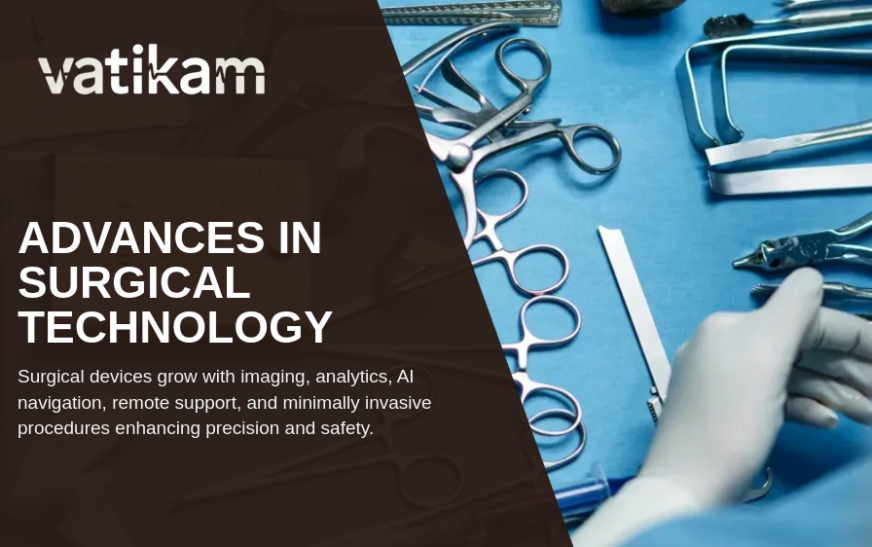
The rising adoption of robotic surgery systems and AI-based surgical navigation tools are central to this expansion. These technologies offer enhanced precision, reduced invasiveness, and improved patient outcomes. Additionally, the integration of digitally connected operating rooms is revolutionizing surgical workflows and data management.
Other important growth catalysts include:
- Minimally invasive procedures: These techniques reduce patient recovery time and infection risks.
- Disposable devices: Increased use helps maintain hygiene and safety standards.
- Imaging guidance and analytics: Advanced imaging and data analytics aid in precise surgical planning and execution.
- Remote surgical support: Surgeons can now perform or assist surgeries remotely, expanding access to expert care.
Market Segmentation Insights
In 2025, soft-tissue surgical devices dominated the market, accounting for approximately 42-46% of the share, reflecting their extensive applications across multiple surgical specialties. Meanwhile, implants held the largest product segment with a 30-35% share, driven by growing demand for orthopedic and other implant-based procedures.
Orthopedic procedures themselves commanded a leading 20-25% share, positioning them as a vital sector within surgical care. Hospitals continue to be the primary end-users, capturing 65-70% of the market due to their central role in providing surgical treatments.
Regulatory Landscape and Challenges
The surgical devices market faces increasing regulatory scrutiny to ensure patient safety and device efficacy. Authorities such as the U.S. Food and Drug Administration (FDA) and the European Union Medical Device Regulation (EU MDR) enforce strict guidelines concerning:
- Device safety and performance standards
- Cybersecurity measures to protect against digital threats
- Traceability and comprehensive post-market surveillance
Compliance with these regulations, while essential, presents operational challenges for manufacturers and healthcare providers alike.
The Future Outlook: Innovation and Expansion
Looking ahead, the surgical devices market will continue to leverage cutting-edge technologies such as AI-enhanced imaging, robotics-assisted surgeries, and tele-surgical capabilities. These innovations promise to further elevate surgical precision, reduce complications, and make advanced surgical care more accessible globally.
Regions such as the Asia Pacific are anticipated to lead the growth, driven by increased healthcare investments, a growing elderly population, and rising demand for minimally invasive surgeries.
Conclusion
The convergence of AI, robotics, and digital integration is reshaping the surgical devices industry, poised to exceed $287 billion by 2031. Healthcare providers and manufacturers embracing these advancements will be key drivers in enhancing surgical outcomes and expanding global access to advanced medical care.