
Rising Obesity Levels Accelerate Cardiac Aging in Indians: Expert Warnings
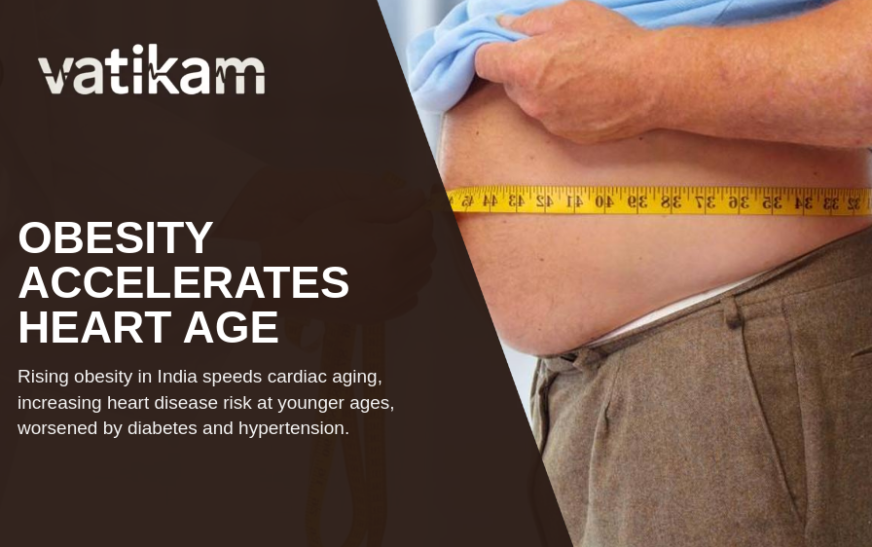
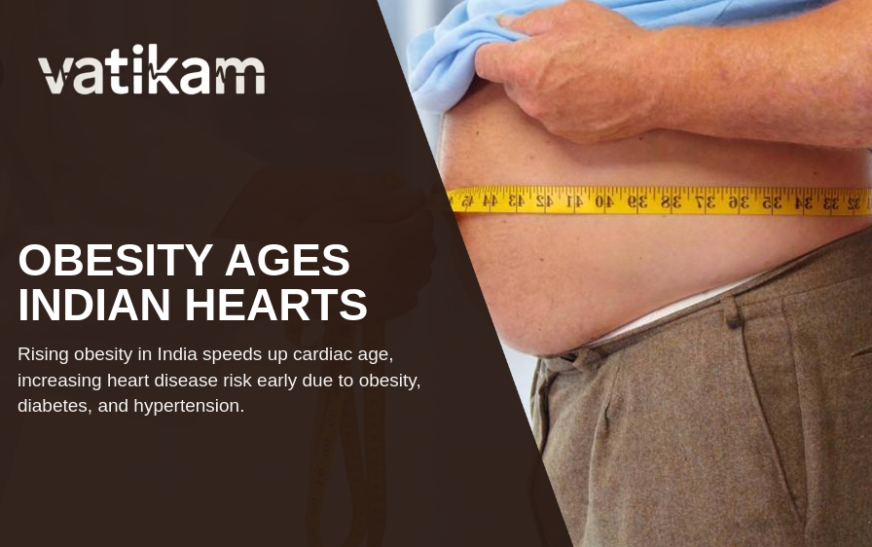
Doctors across India are raising alarms about the rapid increase in obesity rates and its severe impact on cardiovascular health. The phenomenon, described as accelerated “cardiac aging,” means many Indians’ hearts are aging faster than their chronological age. This condition significantly elevates the risk of heart diseases at much younger ages than traditionally expected.
Understanding Cardiac Age and Its Importance
Cardiac age refers to the biological or physiological age of the heart and blood vessels, which can differ from a person’s actual age. It is a measure of how healthy or damaged the cardiovascular system is, influenced by factors such as obesity, diabetes, hypertension, physical activity, and lifestyle choices.
Dr. Nitish Naik, Professor of Cardiology at AIIMS, Delhi, explains that a person with conditions like obesity, diabetes, and hypertension may have a cardiac risk profile comparable to someone much older. This concept helps the public better understand cardiovascular risks beyond mere body weight or chronological age.
Statistics Highlighting Obesity Trends in India
The National Family Health Survey-6 (NFHS-6) revealed a concerning rise in overweight and obesity levels among Indian adults:
- Women aged 15-49 years: from 24% in NFHS-5 (2019-21) to 30.7% in NFHS-6 (2023-24).
- Men: from 22.9% to 27.3% over the same period.
This increasing trend coincides with rising diabetes and hypertension rates, compounding the cardiovascular disease burden.
How Obesity Accelerates Cardiovascular Aging
Obesity, especially excess abdominal fat, drives the aging process of the heart through multiple biological pathways:
- Chronic inflammation: Excess fat produces inflammatory molecules damaging blood vessels.
- Increased blood pressure: The heart works harder, leading to wear and tear.
- Worsened cholesterol: Imbalanced lipid levels increase artery blockage risks.
- Insulin resistance: Raises risk for diabetes and metabolic syndrome.
Dr. H S Isser, Head of Cardiology at VMMC and Safdarjung Hospital, notes that abdominal obesity is particularly dangerous as it surrounds vital organs and promotes metabolic dysfunction. This silent buildup of visceral fat is linked to early onset heart disease and strokes.
Unique Cardiometabolic Risks in Indian Population
Unlike Western populations, Indians often develop cardio-metabolic diseases at lower body weights. Dr. Anil Gurtoo from Sitaram Bhartia Institute highlights the “thin-fat” paradox where outwardly slim individuals harbor harmful visceral fat, leading to early diabetes and heart attacks sometimes as young as 30 years old.
This fat acts like an endocrine organ producing signals that promote inflammation and insulin resistance, silently damaging the heart and blood vessels over time.
Technology and AI in Assessing Cardiac Age
Advances in artificial intelligence and health technologies now allow a more precise evaluation of cardiac age. Platforms such as iLive Connect use physiological data collected via sensors and wearable wristbands to monitor factors like blood pressure, heart rate variability, and blood sugar control in real time.
Dr. Rahul Chandola, a cardiovascular surgeon and AI-healthcare innovator, explains this technology makes it possible to generate accurate cardiac age estimates, enabling earlier interventions and personalized care.
Prevention and Reversal: Keeping Your Heart Young
The good news is that accelerated cardiac aging can be prevented and even reversed with lifestyle changes:
- Engage in regular physical exercise to improve cardiovascular fitness.
- Adopt a healthy diet avoiding ultra-processed foods and sugary drinks.
- Maintain adequate sleep of 7-8 hours per night.
- Avoid smoking and manage stress effectively.
- Control body weight and monitor metabolic health markers like blood sugar and cholesterol.
Dr. Isser emphasizes that weighted control and regular physical activity are key investments for a healthier heart and longer life.
Raising Awareness About Silent Cardiovascular Damage
Many Indians are unaware that cardiovascular damage often starts years before symptoms appear. As Dr. Naik points out, focusing solely on body weight misses the deeper issue of metabolic health, where obesity silently damages blood vessels and raises heart disease risk.
Early detection and management of risk factors like obesity, diabetes, and hypertension are critical to reducing the growing burden of heart disease in India.
Conclusion
Rising obesity levels in India are accelerating cardiac aging, increasing the risk of premature heart diseases. Understanding cardiac age versus chronological age offers a clearer perspective on cardiovascular health. Embracing technology-enabled monitoring, lifestyle modifications, and early intervention can help Indians protect their hearts, ensuring a healthier and longer life.