
FDA and MHRA Launch Liaison Programme to Boost Regulatory Collaboration
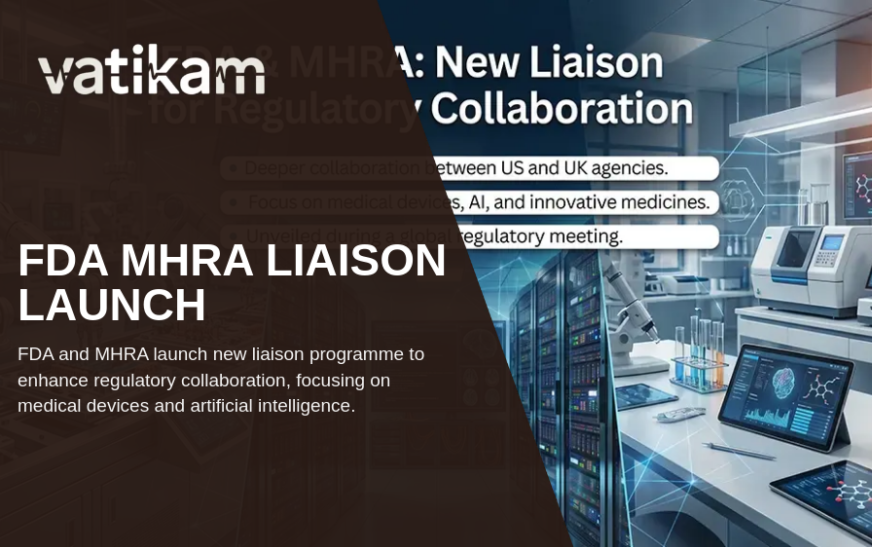
The US Food and Drug Administration (FDA) and the UK’s Medicines and Healthcare products Regulatory Agency (MHRA) have recently announced a pivotal liaison programme aimed at strengthening regulatory collaboration between these two leading agencies. This initiative, revealed during the DIA Global Annual Meeting in Philadelphia, represents a strategic effort to enhance cooperation on medical devices, artificial intelligence (AI), and innovative medicines.
Enhancing Regulatory Coordination Between the US and UK
This liaison programme is designed to formalise a cooperative approach, enabling both agencies to respond more swiftly and effectively to scientific and technological advancements. By fostering this partnership, the FDA and MHRA seek to facilitate the development and approval of safe and effective medical products that benefit patients in both nations. Importantly, the programme preserves the full regulatory independence of each organisation while promoting closer alignment.
Introduction of Reciprocal Liaison Officers
A core component of this collaboration includes appointing reciprocal liaison officers embedded within both the FDA and the MHRA. These officers will play a crucial role in enhancing day-to-day coordination, scientific exchange, and streamlining responses to emerging regulatory challenges. Lawrence Tallon, MHRA CEO, highlighted that these liaison roles will improve how the agencies share expertise, align regulatory science, and adapt to the fast pace of innovation.
Similarly, FDA Deputy Commissioner Grace Graham emphasised the benefits for American patients and innovators, noting that regulatory collaboration can accelerate access to medical products and reduce time to market both in the US and UK.
Supporting Transatlantic Market Access
The liaison programme aims to reduce barriers for product developers operating between the US and UK, helping regulatory decisions become more closely aligned. This alignment is expected to ease the pathway for medical products crossing the Atlantic in both directions, fostering greater market accessibility.
Scott Whitaker, CEO of the Advanced Medical Technology Association (AdvaMed), praised the initiative for its potential to reduce regulatory complexities and accelerate patient access to lifesaving medical technologies on both sides of the Atlantic.
Building on Broader Bilateral Agreements
This regulatory collaboration follows the recent UK-US pharmaceutical trade and pricing agreement implemented in April 2026, which eliminated tariffs on UK drug exports to the US and adjusted NHS pricing for new branded medicines. Duncan Edwards, CEO of BritishAmerican Business, remarked that the liaison programme builds on this agreement, offering companies increased certainty and encouraging innovation and growth between the two markets.
Addressing Emerging Technologies and Regulatory Challenges
The programme also coincides with the MHRA’s development of a new AI regulatory framework to govern AI applications in healthcare, replacing the current medical device regulations. The MHRA has actively engaged stakeholders through its National Commission on the Regulation of AI in Healthcare, gathering extensive feedback to inform this policy evolution.
These efforts demonstrate a shared commitment to advancing regulatory frameworks that keep pace with rapid innovation in medical devices, AI, and novel pharmaceuticals, reinforcing the partnership’s significance in delivering timely, safe, and effective healthcare solutions.
Conclusion
The FDA and MHRA liaison programme marks a significant milestone in transatlantic regulatory cooperation. By embedding liaison officers and fostering continuous dialogue, both agencies are well-positioned to respond dynamically to technological advances and regulatory challenges. This collaboration not only benefits regulatory bodies but ultimately serves patients and innovators by ensuring faster access to medical innovations across the US and UK markets.
As the pharmaceutical and healthcare industries continue to evolve rapidly, such strategic alliances will be crucial to maintaining global competitiveness and promoting public health.