
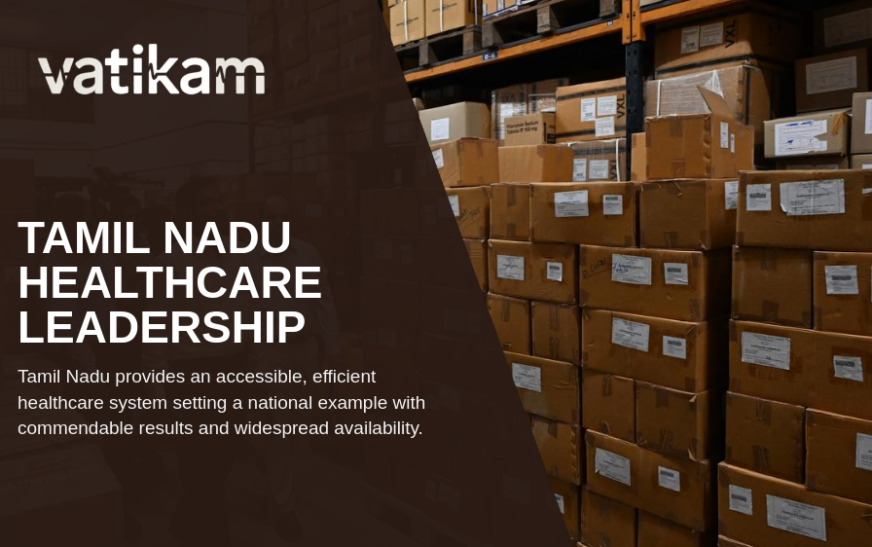
How Tamil Nadu’s Healthcare System Sets a National Benchmark for Accessibility and Innovation
Tamil Nadu has emerged as a pioneering model in India’s healthcare landscape, demonstrating how a holistic and integrated approach can redefine the delivery of healthcare services. Moving beyond the traditional metrics of hospital infrastructure and medical education, the state showcases a healthcare ecosystem that prioritizes accessibility, diagnostics, workforce development, and technology-driven systems. This article explores the key factors behind Tamil Nadu’s success and the lessons it offers for the rest of the country.
Historical Foundations of Tamil Nadu’s Healthcare Strength
The state’s healthcare accomplishments are the result of decades of concerted efforts aimed at strengthening primary healthcare, maternal and child health programs, and disease prevention initiatives. Central to this progress is the Tamil Nadu Medical Services Corporation (TNMSC), established in 1994, which revolutionized the procurement, storage, and distribution of essential medicines across government healthcare institutions. By ensuring the availability of medicines and reducing inefficiencies, TNMSC has become a national benchmark for public drug procurement, highlighting the importance of systemic reforms.
Decentralized and Equitable Healthcare Infrastructure
Tamil Nadu’s healthcare system is distinguished by its decentralized structure, which ensures even distribution of resources beyond urban centers. With over 8,700 sub-health centers spread across the state, local communities benefit from accessible healthcare facilities at the grassroots level. This expansive network reinforces the principle that robust healthcare systems need investment that reaches every district and rural area, not just metropolitan hospitals.
Focus on Diagnostics and Preventive Care
The emphasis on diagnostics at the primary healthcare level is a cornerstone of Tamil Nadu’s approach. Regular community screenings and public health programs provide early diagnosis and treatment, reducing the burden on tertiary care hospitals and minimizing long-term healthcare costs. Investment in district hospitals and microbiology laboratory networks further supports regional healthcare equity by addressing localized health challenges promptly.
Technology Integration for the Future of Healthcare
Emerging technologies are playing a vital role in reshaping healthcare delivery in Tamil Nadu. The adoption of AI, telemedicine, digital health records, and remote diagnostics enhances healthcare accessibility, especially in underserved areas. Tamil Nadu’s commitment to digital public health systems and data-driven governance exemplifies how technology can improve efficiency and patient outcomes, setting a precedent for nationwide digital health initiatives.
Building a Skilled Healthcare Workforce
A critical component of Tamil Nadu’s healthcare excellence is the continuous upskilling and development of its healthcare professionals. Recognizing that infrastructure alone is insufficient, the state prioritizes workforce training in diagnostics, digital health technologies, AI-assisted systems, and multidisciplinary care models. This strategic focus ensures that facilities are supported by capable staff ready to deliver future-ready healthcare services.
Manufacturing and Innovation in Medical Technology
Tamil Nadu leverages its industrial base in auto components, electronics, and precision engineering to become a preferred manufacturing hub for medical devices and equipment. Developing this sector is integral to reducing import dependency and enhancing the state’s self-reliance in healthcare provisioning. Collaboration between the public and private sectors further fuels innovation and specialized capabilities within the healthcare ecosystem.
Challenges and the Way Forward
Despite its advancements, Tamil Nadu continues to contend with challenges such as patient overload, workforce distribution disparities, and operational inefficiencies — issues common across many Indian states. However, its approach offers a replicable blueprint based on sustained investment, decentralization, workforce empowerment, and technology adoption.
India’s broader healthcare reform can learn from Tamil Nadu’s example by focusing less on mere infrastructure growth and more on creating integrated, accountable, and accessible healthcare systems. Such systemic changes are essential for enhancing health outcomes and achieving equitable healthcare access nationwide.
About the Author:
Dr. G.S.K. Velu is Chairman of the FICCI Tamil Nadu State Council and CMD of Trivitron Healthcare, Neuberg Diagnostics, and Maxivision Eye Hospitals.