
How AI is Transforming Meal Planning: Healthier, Cheaper Meals with Simple Ingredient Swaps
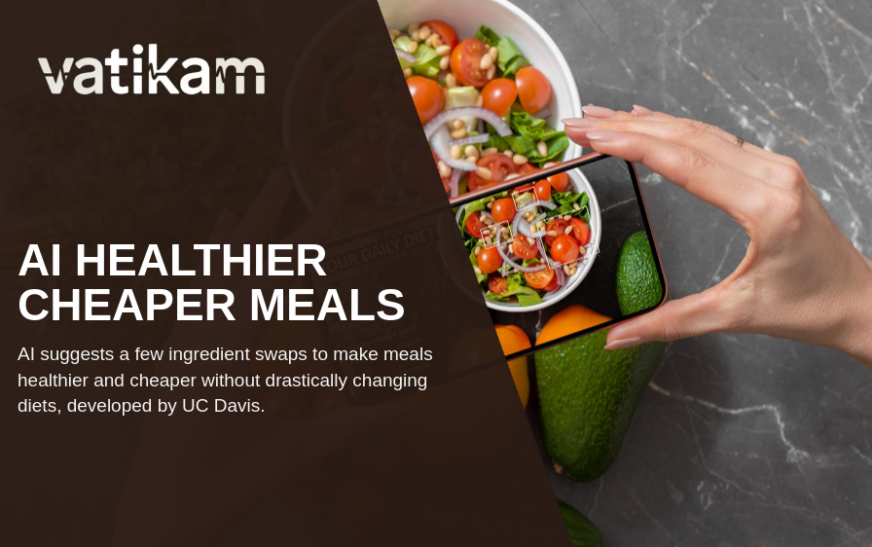
In today’s fast-paced world, balancing healthy eating with budget constraints can be challenging. What if there was a simple way to make your existing meals healthier and more affordable without completely overhauling your diet? Researchers at the University of California, Davis have developed an innovative artificial intelligence (AI) system that promises just that—identifying a few targeted ingredient substitutions to improve nutrition and reduce meal costs while keeping your meals recognizable and delicious.
The Challenge of Healthy Eating
Many people understand the basics of healthy eating—such as reducing sodium intake, eating more vegetables, and limiting processed foods—but struggle to put these guidelines into everyday meals. Most existing dietary tools demand major changes that can be difficult to maintain and confusing to apply, leading to frustration and dietary non-compliance.
Introducing AI-Powered Meal Improvements
The research team analyzed an extensive database of 135,491 meals from over 55,000 adults (collected through the What We Eat in America survey) to identify common meal patterns for breakfast, lunch, and dinner. Using these patterns, they trained a generative AI model to recreate realistic meals, adjusting portion sizes as needed while maintaining familiar styles and flavors.
The AI model then suggested simple ingredient swaps—ranging from just one to three substitutions per meal—that could enhance nutritional quality and reduce costs. These suggestions were designed to be minimally disruptive, allowing people to continue enjoying their favorite meals with slight improvements.
Significant Benefits from Minimal Changes
- Improved Nutrition: The AI-generated meals were 47% closer to meeting USDA nutrition targets compared to actual meals recorded in the survey.
- Cost Reduction: Meal costs dropped significantly, with savings between 22% and 34% by applying the recommended ingredient swaps.
- Simple Substitutions: Most swaps involved adding vegetables or legumes and replacing highly processed or high-sodium items, which are easy changes that maintain meal familiarity.
Remarkably, only a few ingredient changes were needed to make a noticeable difference in meal quality. This challenges the idea that healthy eating requires a complete redesign of daily meals.
AI Outperforms Traditional Models
The UC Davis AI model outperformed even advanced AI systems like GPT-4o in aligning meals with USDA macronutrient recommendations. This highlights the potential of specialized AI applications to guide practical dietary decisions tailored to real-world eating habits.
However, it’s important to note that these findings are based on computer simulations. The model has yet to be tested extensively with actual users, but it shows promising potential for helping public health programs and consumer apps support healthier, budget-friendly eating habits.
Practical Advice from the Researchers
Lead researchers Trevor Chan and Ilias Tagkopoulos emphasize that dietary guidelines often tell people what they should eat, but not how to convert their current meals into healthier ones. Their AI approach bridges this gap by translating dietary standards into actionable, simple meal-level substitutions.
As they state, “Improving meals does not necessarily require a complete redesign; targeted substitutions may be enough to move a meal closer to dietary recommendations. This can make healthy eating feel more practical and achievable.”
In summary, healthier eating doesn’t mean giving up the meals you enjoy. AI can help identify small ingredient swaps that preserve taste while boosting nutrition and saving money—benefiting both our health and wallets.
Looking Ahead: AI and Public Health
This research highlights an exciting frontier where AI supports everyday health decisions. By making dietary guidelines actionable and cost-effective, AI-driven tools could enhance public health initiatives and empower consumers to make smarter food choices with minimal effort.
As AI continues to evolve, we can expect more innovative solutions that make healthy eating accessible, affordable, and sustainable for everyone.
References
Chan, T. & Tagkopoulos, I. (2026). Translating dietary standards into healthy meals with few-ingredient substitutions. PLOS Digital Health. DOI: 10.1371/journal.pdig.0001367