
Cyberchondria: Understanding the New Age Health Anxiety
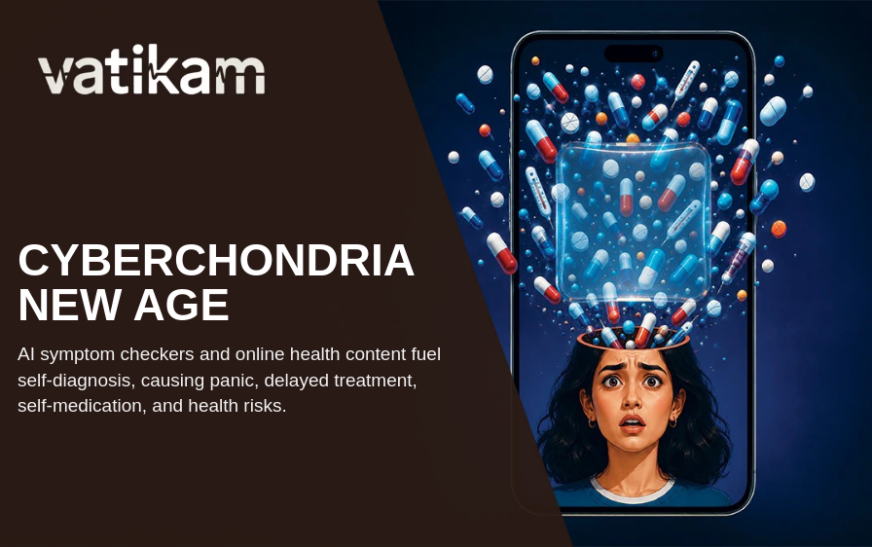
In the digital era, the quest for health information has transformed dramatically with the rise of AI symptom checkers and an overwhelming amount of online health content. While these advancements offer convenience and accessibility, they have also led to a concerning new phenomenon known as cyberchondria. This modern ailment describes the surge in self-diagnosis driven by digital tools and online data, often triggering unnecessary panic, delaying professional treatment, and increasing the risk of self-medication.
What is Cyberchondria?
Cyberchondria is a condition where individuals obsessively search online for medical symptoms, which frequently exacerbates anxiety and fear rather than alleviating concerns. Unlike traditional hypochondria where fear about health is often based on limited information, cyberchondria is amplified by immediate access to vast, often conflicting, online medical content and AI-powered symptom analysis tools.
An Illustrative Case
Consider the case of Ritoban Sen, a 41-year-old professional with a history of family cancer. Noticing a small lump on his knee, Ritoban turned to ChatGPT to understand his symptoms. The AI’s detailed explanation led him to fear bone cancer. Despite consulting multiple oncologists in Mumbai and New York who diagnosed a simple inflammation, his anxiety persisted, driven by the alarming online information he had consumed. His experience highlights how cyberchondria can trigger unnecessary stress and medical journeys.
How AI and Online Health Content Contribute to Cyberchondria
- AI symptom checkers: Tools like ChatGPT provide instant, detailed medical interpretations based on user inputs. While helpful, they often list worst-case scenarios, which unequipped users can misinterpret.
- Overabundance of Health Information: The internet hosts a vast range of health articles, forums, and videos, some scientifically accurate, others misleading. This overload can confuse users attempting self-diagnosis.
- Lack of Personalized Context: Online health resources can’t fully assess individual patient history or symptoms nuances, making general advice sometimes alarming or irrelevant.
The Impact of Cyberchondria
The consequences of cyberchondria extend beyond temporary anxiety:
- Increased Health Anxiety: Repeated online searches create a vicious cycle of panic and fear, often leading to mental health strains.
- Delayed Professional Treatment: Overreliance on online diagnosis may delay timely consultation with healthcare professionals.
- Rise in Self-Medication: Seeking quick fixes based on online advice increases health risks due to improper medication use.
- Economic Burden: Unnecessary consultations, tests, and treatments generated by online-induced fears add financial stress.
Managing Cyberchondria: Tips for Responsible Online Health Searching
- Consult Healthcare Professionals: Use online resources for preliminary information only. Always confirm concerns with a qualified doctor.
- Limit Symptom Searches: Avoid excessive searching and jumping between multiple sources that increase anxiety.
- Prefer Reputable Sources: Look for health information on trusted medical websites and avoid unreliable forums.
- Understand Limitation of AI Tools: AI symptom checkers are aids, not substitutes for professional medical diagnosis.
- Practice Stress Reduction: Engage in mindfulness, relaxation techniques, or seek counseling if anxiety spirals.
The Future Outlook
As digital health technologies evolve, improving AI’s accuracy and user guidance will be critical to mitigating cyberchondria’s negative effects. Educating users on healthy online health-seeking behavior can foster a balanced approach, empowering informed decisions without undue anxiety.
Conclusion
While AI symptom checkers and online health content democratize access to medical information, they also bring new challenges. Cyberchondria, characterized by compulsive health anxiety fueled by these digital tools, requires awareness and appropriate management. By combining responsible use of technology with professional healthcare consultation, individuals can benefit from digital health advances without compromising their peace of mind.