
How Advanced Analytics and AI Partnerships Enhance the Biopharma Value Chain
Artificial Intelligence (AI) and advanced analytics are rapidly transforming the biopharmaceutical industry, revolutionizing drug discovery, manufacturing, and supply chain management. Strategic partnerships between biopharma companies and technology providers are crucial to harnessing the full potential of AI for improving the value chain from early research to patient delivery.
The Role of AI in Drug Discovery and Research
AI’s primary value lies in its ability to interconnect diverse data types that were traditionally siloed. These include molecular structures, biological assay results, patient demographics, and clinical site performance metrics. This integration improves scientific decision-making quality rather than simply providing autonomous conclusions.
For example, Sanofi utilizes disease-specific AI-driven target identification engines that combine genetic, proteomic, transcriptomic, and single-cell data. This helps researchers evaluate target druggability, tissue expression, and select the optimal therapeutic modality, accelerating the identification of promising drug candidates.
Embedding Human Oversight in AI Workflows
Experts emphasize that human oversight must be a fundamental, structural component of AI workflows — not an afterthought. AI outputs used in regulated environments must be traceable and explainable to satisfy regulatory audits and maintain data integrity.
Richard Jaenisch, Senior Director at Open Biopharma, underlines that AI explainability is non-negotiable in these contexts. Without transparent and defensible AI outputs, companies risk compliance issues during inspections. This calls for robust data governance frameworks, source traceability, and clear communication of model uncertainty when deploying AI in research and manufacturing.
AI Applications in Manufacturing and Supply Chain Management
On the manufacturing front, the most impactful uses of AI tend to be operational rather than headline-grabbing. Brian Drapeau, founder of GxP Frame, notes key AI applications such as:
- Deviation management
- Batch record review
- Predictive maintenance
- Supply and demand forecasting
In the specialized field of cell and gene therapy (CGT), the supply chain is patient-specific, making the chain of identity and custody vital measures of AI value. Since no single manufacturer controls the entire CGT supply chain, cross-company collaboration enabled by AI platforms is essential.
Importance of Strategic Partnerships and Data Governance
Successful integration of AI and advanced analytics requires partnerships with providers who can operate across multiple domains while maintaining strict data governance standards. As Brian Drapeau points out, “Completion is not competency.” It’s not enough for partners to merely run AI-assisted tasks; they must also have the judgment to critically evaluate outputs and troubleshoot independently.
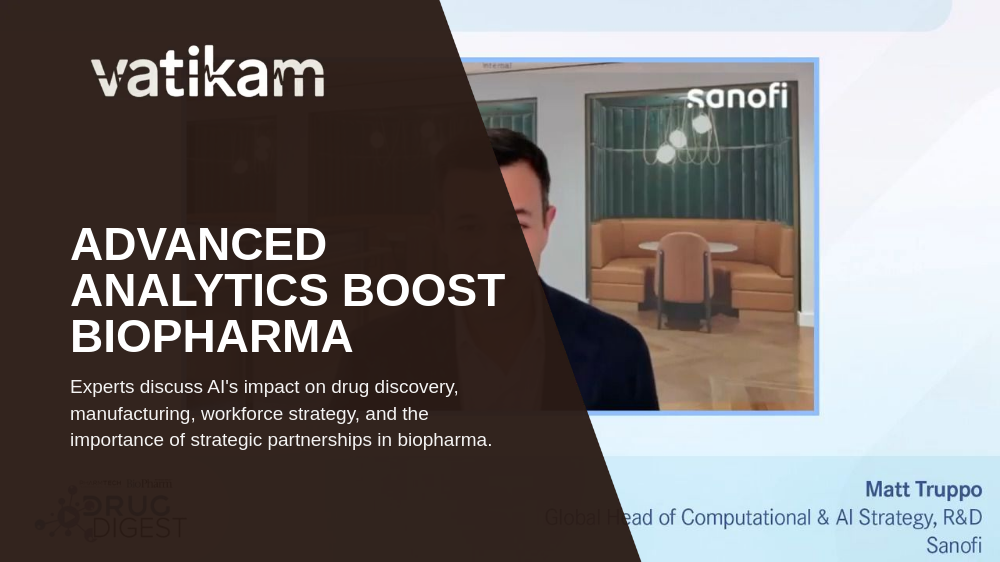
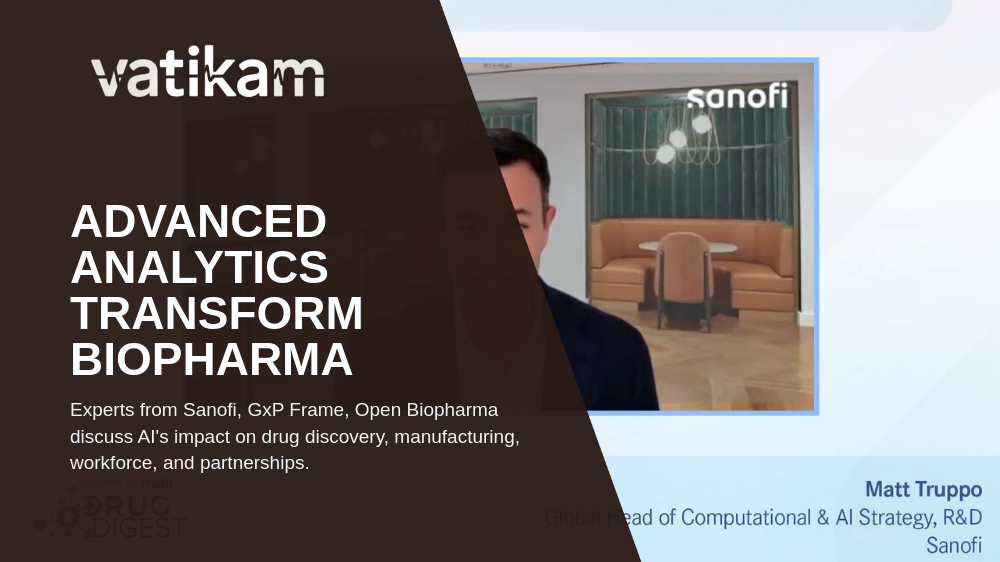
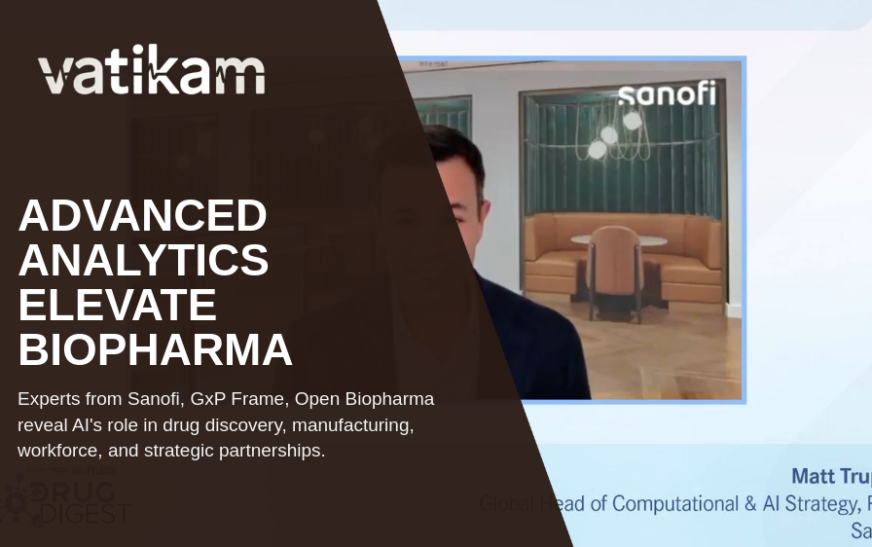
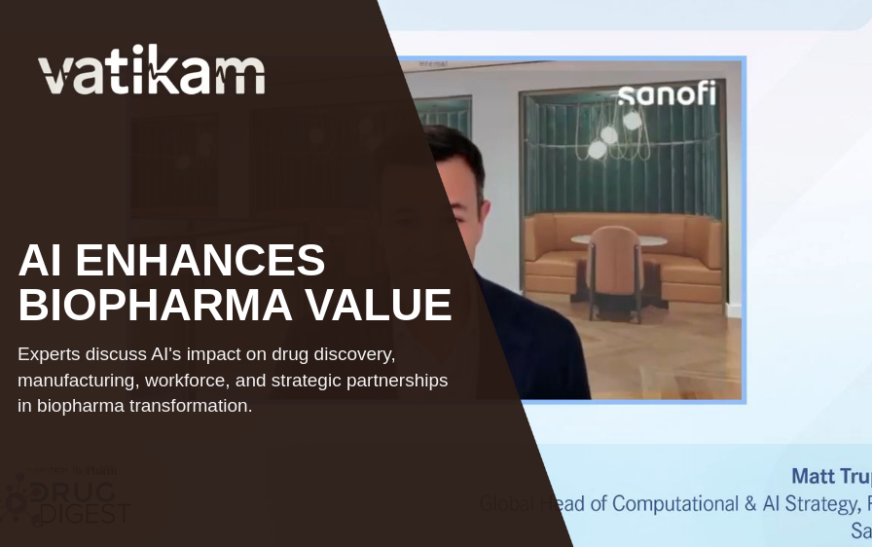
Matt Truppo, Global Head of Computational and AI Strategy at Sanofi, reinforces that trustworthy AI integration depends on rigorous governance, transparency, and collaboration between biopharma and technology experts to optimize R&D and manufacturing processes.
Meet the Experts Driving AI Innovation in Biopharma
- Matt Truppo, Global Head of Computational & AI Strategy, R&D at Sanofi, leads efforts to embed AI and predictive technologies throughout drug discovery, accelerating the development of first-in-class therapies. With over 20 years in pharma and advanced degrees in chemistry and engineering, Truppo has contributed to bringing 13 medicines to market.
- Richard Jaenisch, Senior Director of Education, Outreach, and Digital Experience at Open Biopharma, specializes in generative AI integration for biomanufacturing training and educational programming. He brings 15 years of patient advocacy and STEM education experience.
- Brian Drapeau, founder and principal consultant of GxP Frame, advises major biotech companies on workforce development, training, and regulatory compliance. He is the author of The GxP Frame newsletter covering FDA enforcement trends and pharmaceutical manufacturing operations.
Conclusion
The integration of AI and advanced analytics in biopharma not only enhances drug development efficiency but also optimizes manufacturing and supply chain operations. However, to fully leverage these technologies, companies must embed structured human oversight, maintain strict data governance, and foster strategic partnerships capable of cross-domain collaboration. This approach ensures AI tools are trustworthy, compliant, and truly transformative in bringing better therapies to patients faster.
As AI continues to evolve, the biopharma industry’s commitment to explainability, transparency, and collaboration will define success in the innovation-driven future of healthcare.