
Embracing Nintai: The Japanese Philosophy for Calm Endurance and Mindfulness
In today’s fast-paced world where instant results and continuous productivity are prized, the ancient Japanese philosophy of Nintai offers a refreshing approach to staying calm and centered amid life’s challenges. Rooted in patience, resilience, and mindful endurance, Nintai encourages us to face adversity with grace and inner peace rather than struggle or resistance.
What Is Nintai?
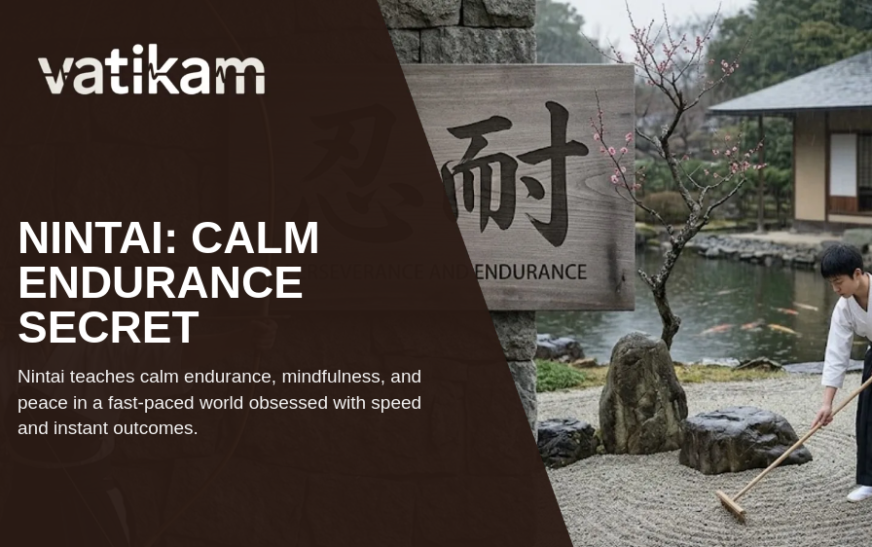
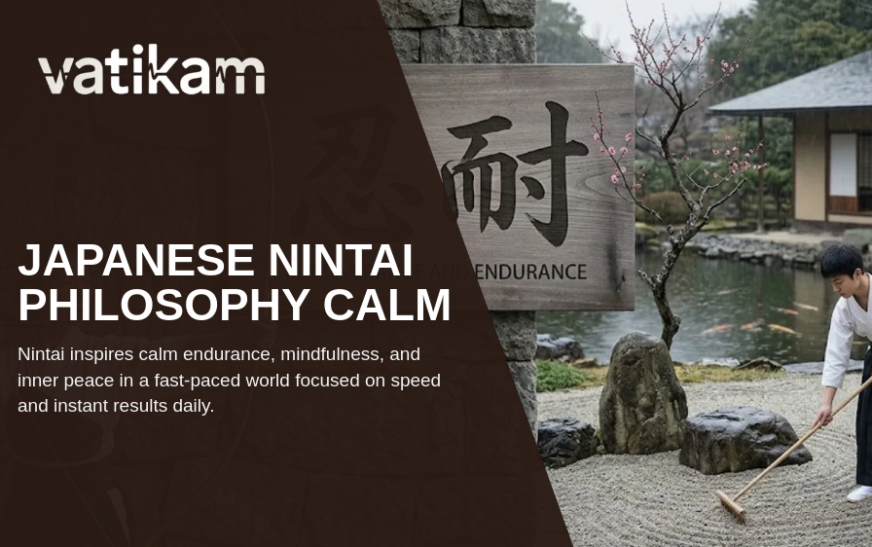
Derived from the Japanese words Nin meaning “to endure” and Tai meaning “to push through,” Nintai translates roughly to “patient endurance with dignity.” Unlike the modern concept of resilience, which often emphasizes bouncing back quickly from hardship, Nintai invites a deeper, spiritual form of resilience.
Saamdu Chetri, Director of the Yogananda School of Spirituality and Happiness at Shoolini University, explains that while modern psychology regards resilience as a reactive process to rebound from adversity, Nintai is about embracing challenges calmly and mindfully. “It’s not about rebounding, but about being with the challenge — enduring it calmly, with inner grace and mindfulness. Western psychology often focuses on coping and recovering from the outside. In contrast, Nintai centers on acceptance, awareness, and inner change,” Chetri says.
How Nintai Helps Reduce Stress
Practicing Nintai can significantly improve mental and emotional well-being by teaching us how to manage stress responses proactively. Through cultivating the five divine endowments — imagination, awareness, memory, will, and conscience — Nintai slows a restless mind, leading to more thoughtful and composed reactions.
Chetri highlights that embodying Nintai helps activate the parasympathetic nervous system, the body’s natural state of rest and recovery. This leads to lower stress hormone levels, stronger emotional endurance, reduced anxiety, and an overall sense of inner stability. “Nintai clearly tells us that peace lies in living in the moment, not in escaping discomfort,” he adds.
Incorporating Nintai into Everyday Life
Developing Nintai doesn’t require radical changes. Instead, it grows through small, mindful practices integrated into daily routines. Here are practical ways to cultivate Nintai:
- Pause briefly before responding to messages or challenging situations to foster calm reflection.
- Practice deep breathing, especially in moments of stress like waiting at a red light.
- Consciously observe your surroundings without judgment to anchor yourself in the present.
- Engage in mindful walking, which integrates awareness and movement.
- Keep a gratitude journal to nurture positive mental states.
- Set aside time for quiet reflection or meditation to connect with inner peace.
- Spend time in nature to refresh and reset your emotional balance.
By choosing calm over haste, understanding over reaction, and faith over fear, Nintai becomes a guiding principle for a balanced, resilient life.
Why Nintai Matters in Modern Life
As the world increasingly values speed and instant gratification, the pressure to constantly perform can lead to burnout and chronic stress. Nintai reminds us that true strength comes from steady endurance and acceptance, not just rapid recovery or relentless productivity.
This philosophy fosters a healthier mindset that embraces difficulties with dignity, allowing individuals to navigate life’s ups and downs with greater emotional wisdom and peace. Adopting Nintai can be a transformative practice for mental health, promoting resilience that stems from inner harmony rather than external circumstances.
Conclusion
Embracing the Japanese philosophy of Nintai offers a meaningful way to cultivate calm, endurance, and mindfulness in a complex and fast-moving world. By integrating small mindful actions into daily life and focusing on patient acceptance, we nurture a form of resilience that supports lasting peace and well-being.
Whether faced with everyday stressors or significant challenges, Nintai encourages us to respond with grace and inner strength, making it a valuable practice for anyone seeking tranquility amid life’s demands.