
Top 10 Habit Building Apps in 2026: Features, Pros, Cons & User Guide
Forming consistent habits is key to achieving both personal and professional goals. Habit building apps make this process easier by helping you track, maintain, and reinforce routines with reminders, analytics, and motivational tools. Today’s apps integrate AI, wearables, and productivity platforms to provide an engaging and seamless experience. Whether you want to boost productivity, improve wellness, or foster team accountability, habit apps have become essential tools for goal-oriented users.
Why Habit Building Apps Matter
- AI-powered habit suggestions optimize your daily routines automatically.
- Wearable integrations track health and activity metrics effortlessly.
- Gamification and streaks increase motivation and consistency.
- Cross-platform support lets busy professionals track habits on any device.
- Behavioral analytics highlight patterns, triggers, and obstacles.
- Teams and communities can build accountability through shared challenges.
Key Trends in Habit Building Apps
- AI-driven habit recommendations personalized to user behavior.
- Smart notifications synced with calendars and task management tools.
- Gamification, streaks, and community challenges to boost engagement.
- Privacy-first designs with encryption and GDPR compliance.
- Habit stacking and micro-goals for sustainable progress.
- Integration with productivity suites and wearable devices.
- Voice assistant support for hands-free tracking.
- Freemium and subscription models featuring advanced analytics.
- Behavioral science principles to optimize habit formation.
Top 10 Habit Building Apps Overview
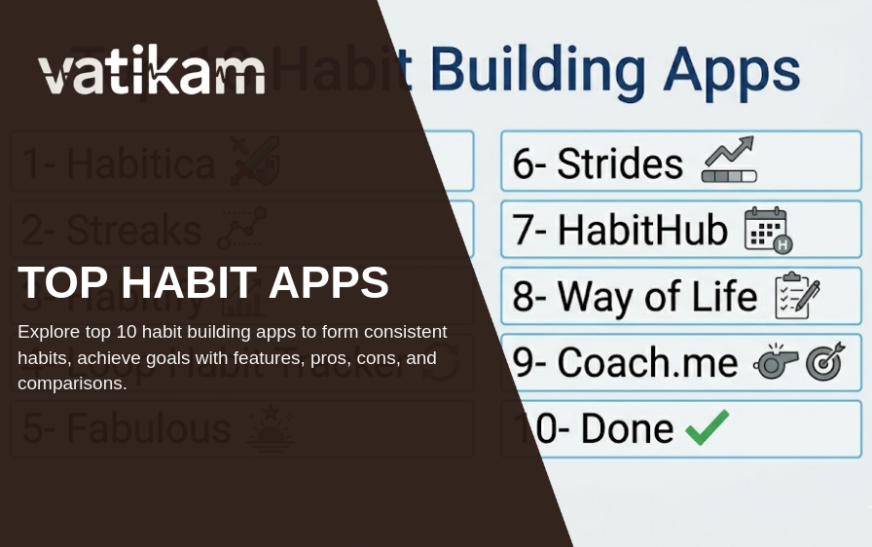
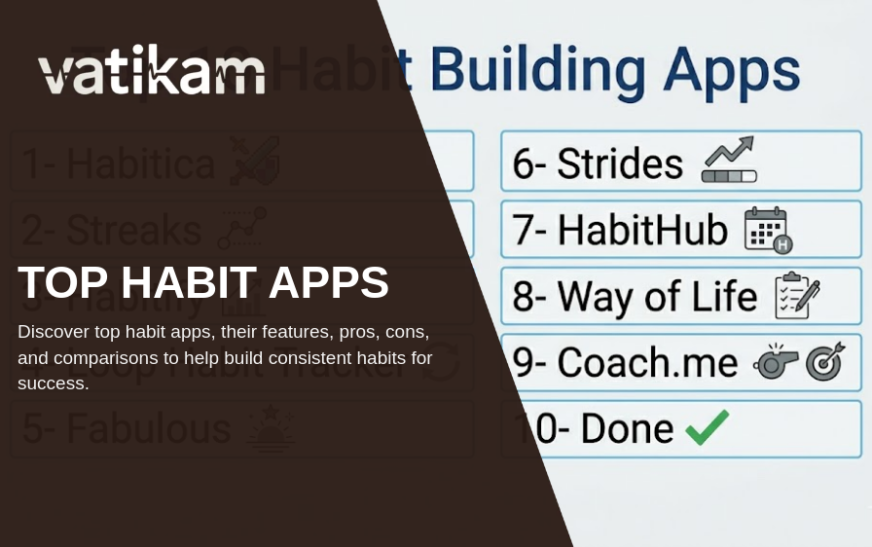
1. Habitica
A gamified habit tracker that turns daily goals into RPG adventures, ideal for individuals and small teams who want engagement through fun.
- Key Features: RPG-style rewards, party & guild systems, cross-platform, customizable avatars.
- Pros: Motivational gamification, social accountability, free basic features.
- Cons: Complex for casual users, limited AI insights.
2. Streaks
A minimalist iOS app focused on habit streak visualization and simple tracking, perfect for users who value simplicity.
- Key Features: Track up to 12 habits, Apple Health integration, daily reminders.
- Pros: Intuitive interface, easy to use, strong health integration.
- Cons: iOS-only, minimal gamification and AI features.
3. Habitify
A multi-platform habit tracker with comprehensive analytics, ideal for professionals seeking detailed progress insights.
- Key Features: Smart reminders, analytics dashboards, reflection notes, cloud sync.
- Pros: Cross-platform, intuitive UI, detailed analytics.
- Cons: Requires premium for full analytics, limited social features.
4. Loop Habit Tracker
An open-source Android app emphasizing simplicity and offline use, great for budget-conscious users.
- Key Features: Habit frequency tracking, progress charts, offline functionality.
- Pros: Free and open-source, fully offline, customizable intervals.
- Cons: Android-only, no gamification, no cloud sync.
5. Fabulous
A science-based wellness app guiding morning/evening routines with AI coaching, perfect for users seeking holistic well-being.
- Key Features: Guided routines, AI coaching, mindfulness exercises, analytics.
- Pros: Behavioral science focus, AI-driven coaching.
- Cons: Premium subscription needed, can overwhelm beginners.
6. Strides
A flexible habit and goal tracker with charts and reminders, suited for goal-oriented users.
- Key Features: Multiple goal types, progress charts, custom reminders.
- Pros: Comprehensive reporting, motivational streaks.
- Cons: Mostly iOS-focused, subscription needed for multi-device sync.
7. HabitHub
An Android app with streaks and milestone tracking, ideal for users with structured routines.
- Key Features: Streak visualization, milestone rewards, cloud sync via Google Drive.
- Pros: Free with optional premium, strong streak visuals.
- Cons: Android-only, basic interface.
8. Way of Life
A habit tracker focused on analytics and flexible habit scoring suitable for self-directed users.
- Key Features: Color-coded tracking, trend charts, exportable data.
- Pros: Visual and analytical, easy to maintain.
- Cons: Requires premium for full features, limited gamification.
9. Coach.me
Habit tracker with optional coaching services, great for individuals who want guidance and community support.
- Key Features: Habit tracking, paid coaching, community discussions.
- Pros: Coaching options, active community, cross-device sync.
- Cons: Coaching costs extra, crowded interface.
10. Done
A minimalist habit tracker with focus on streaks, perfect for casual users wanting simple motivation tools.
- Key Features: Daily/weekly/monthly tracking, color-coded streaks, progress charts.
- Pros: Simple and quick, lightweight app.
- Cons: Limited analytics and integrations, no AI features.
How to Choose the Right Habit App for You
For Solo Users and Freelancers
Minimalist apps like Streaks or Done suit those who want quick and simple routines. Habitify offers depth with analytics and cross-platform support. Loop Habit Tracker is perfect for offline Android users. Fabulous provides AI coaching for a wellness-focused approach.
For Small and Medium Businesses (SMBs)
Fabulous and Coach.me support wellness and engagement across small teams. Habitica gamifies team routines for motivation. Strides and Habitify allow detailed tracking for multiple users.
For Mid-Market and Enterprise
Habitify and Strides provide structured tracking and analytics suited for company-wide use. Coach.me offers coaching for leadership and skills development. Fabulous integrates wellness programs, while Habitica adds gamification for large teams. Security, scalability, and integrations are critical to evaluate.
Budget and Feature Considerations
- Free apps like Loop Habit Tracker and Done work well for casual users.
- Premium apps provide AI, coaching, and advanced analytics.
- Balance the value of features like cloud sync and AI against cost.
- Trial versions help test ease of use versus depth of feature needs.
Frequently Asked Questions (FAQs)
1. How much do habit building apps typically cost?
Many offer free basic versions. Premium subscriptions generally range from $5 to $15 monthly for advanced features like AI coaching and analytics.
2. Can habit apps be used offline?
Some, like Loop Habit Tracker, work fully offline. Most cloud-based apps require internet for syncing and notifications, but offline tracking may sync later.
3. Are these apps suitable for teams?
Yes. Apps such as Habitica, Coach.me, and Fabulous support team tracking, challenges, and accountability features.
4. Do they integrate with wearables?
Yes. Many integrate with Apple Health, Google Fit, and Fitbit to automatically track health data alongside habits.
5. How do gamification features improve habit adherence?
Gamification introduces rewards, streaks, and social recognition, making habit-building fun and motivating consistent engagement.
6. Are habit apps secure and compliant?
Most use basic data encryption. Enterprise-level apps often add SSO, MFA, and compliance measures like GDPR adherence.
7. Can I track multiple habits simultaneously?
Yes. Many apps support multiple habit tracking with customized reminders and analytics dashboards.
8. Can I switch apps without losing my habit data?
Many apps allow export/import via CSV or Excel, though some manual re-entry might be required for detailed analytics.
9. Do these apps offer AI-driven habit recommendations?
Premium apps like Fabulous and Habitify provide AI insights to optimize routines and offer motivational prompts.
10. Are habit building apps effective long-term?
Effectiveness depends on user commitment. Features like gamification, reminders, and analytics support consistency and lasting habit change.
Conclusion
Habit building apps are powerful tools beyond simple reminders, combining AI, analytics, gamification, and wearable integration to support consistent routines. The right app depends on your goals, platform preferences, and engagement style. Minimalist apps are great for simplicity, while advanced trackers offer deeper insights and coaching. Enterprise users must prioritize scalability, security, and integrations. Ultimately, the best habit app balances usability, features, and value tailored to your needs.