
Panic Attack vs. Heart Attack: Key Differences Explained by Cardiovascular Experts
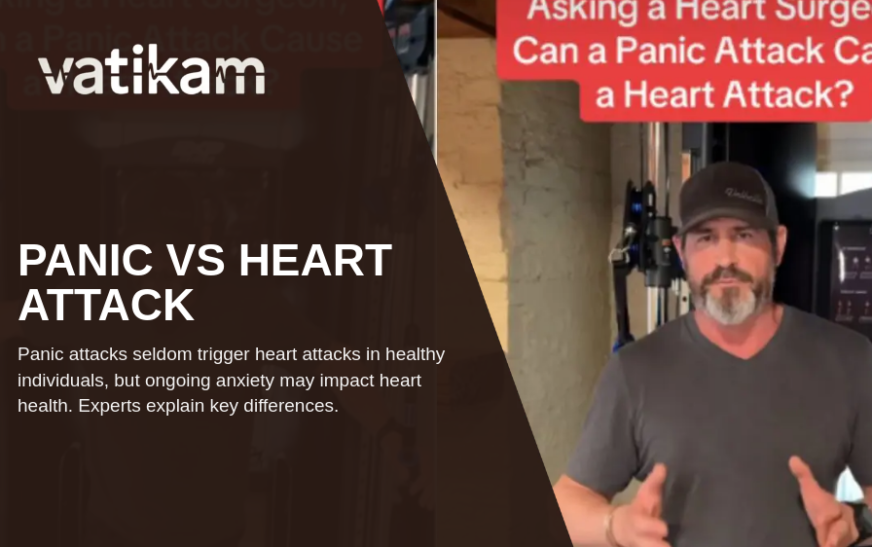
Experiencing chest pain, sweating, numbness, or a racing heart can be terrifying and may lead to confusion between panic attacks and heart attacks. These conditions share similar symptoms but are fundamentally different in their causes and implications. Understanding the differences is crucial for ensuring timely medical care and safeguarding heart health.
Why the Confusion Between Panic Attack and Heart Attack Symptoms?
Both panic attacks and heart attacks can manifest with overlapping symptoms such as chest pain, sweating, rapid heartbeat, shortness of breath, and numbness or discomfort in the arms. Because the immediate physical signs are similar, many people mistakenly assume one condition is the other.
Emergency medicine experts like Dr. Joel London emphasize that although the symptoms might feel alike, the underlying causes of each condition are entirely distinct.
What Is a Heart Attack?
A heart attack, also known as a myocardial infarction, occurs when one or more coronary arteries become blocked. This blockage restricts blood flow to the heart muscle, which can cause permanent heart damage if not treated promptly. It is a critical medical emergency that requires immediate intervention.
Typical heart attack symptoms include:
- Intense or crushing chest pain or pressure
- Discomfort radiating to the arms, neck, jaw, or back
- Shortness of breath
- Cold sweats
- Nausea or vomiting
- Dizziness or lightheadedness
Understanding Panic Attacks
A panic attack is caused by a sudden surge of stress hormones activating the body’s fight-or-flight response. Rather than arising from physical heart damage, panic attacks are driven primarily by psychological stress or anxiety.
Symptoms often mimic those of a heart attack, creating intense fear of a heart problem. Common panic attack signs include:
- Rapid, pounding heart rate
- Chest tightness or pain
- Shortness of breath or hyperventilation
- Sweating and trembling
- Feeling dizzy or lightheaded
- Numbness or tingling sensations
- A sense of impending doom or loss of control
Despite the distress these symptoms cause, panic attacks alone rarely trigger heart attacks in otherwise healthy individuals.
Can Frequent Panic Attacks Impact Heart Health?
Although a single panic attack is unlikely to harm a healthy heart, repeated panic attacks and chronic anxiety may contribute to long-term cardiovascular risks. Ongoing stress from anxiety can affect heart rate, blood pressure, and overall heart function over time.
It is important for individuals experiencing frequent anxiety or panic attacks to seek professional help, as managing mental health can have beneficial effects on heart health.
When to Seek Medical Attention?
If you experience any chest pain or symptoms suggestive of a heart attack, do not ignore them. Because panic attacks and heart attacks share symptoms and can be difficult to distinguish without medical evaluation, immediate medical attention is vital if symptoms are severe, new, or uncertain.
Medical professionals recommend the following steps:
- Call emergency services if chest pain is intense, persistent, or accompanied by other heart attack symptoms.
- Seek urgent care if you experience sudden shortness of breath, fainting, or severe discomfort.
- Discuss with your healthcare provider about your symptoms to get appropriate diagnosis and treatment.
Conclusion
Distinguishing between a panic attack and a heart attack is life-saving knowledge. While panic attacks can feel distressing and alarmingly similar to heart issues, they are fundamentally different events with different treatments. Understanding these key differences and responding swiftly to symptoms ensures the best possible outcomes for your heart and overall health.