
Should You Take Nutrition Advice from Chatbots? Expert Insights and Cautions
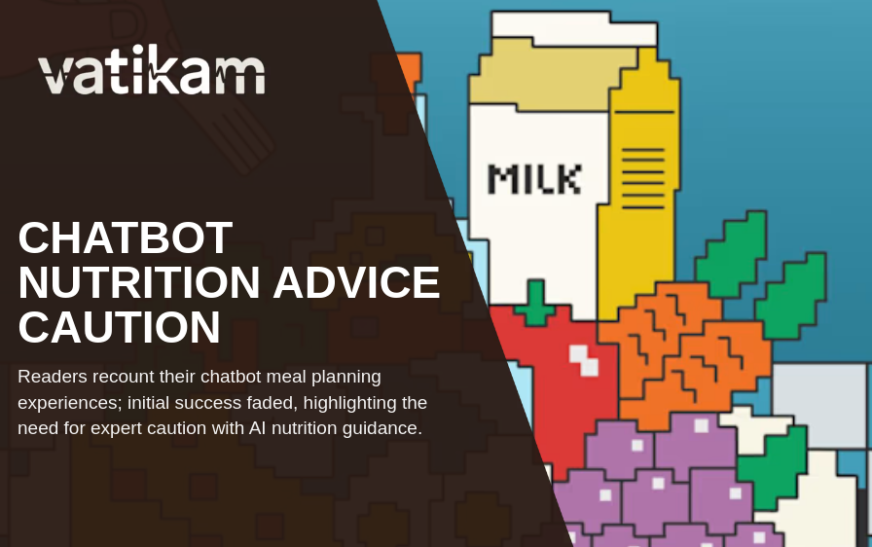
In recent years, chatbots powered by artificial intelligence, such as ChatGPT, have become popular tools for gaining quick nutrition advice and meal planning guidance. Since its release in 2022, ChatGPT and similar AI technology have helped many users brainstorm meal ideas, create grocery lists, and support healthier eating habits.
Growing Use of Chatbots for Health Guidance
A survey of over 5,500 U.S. adults in April 2026 revealed that one in four individuals had recently used chatbots for health advice. Another study showed that about a third of respondents had relied on AI tools like ChatGPT to create nutrition or weight loss plans.
Many users share positive experiences with chatbots, praising the technology’s ability to quickly generate personalized meal suggestions. Julie Bernstein, a 76-year-old long-time vegan, found ChatGPT exceptionally helpful when a physician recommended she increase her protein intake but was unable to guide her toward vegan-friendly sources. The chatbot provided tailored menus incorporating lentils, quinoa, and chia seeds, which Bernstein described as “like a cookbook tailored for me.”
Benefits of Using Chatbots for Nutrition
- Meal Planning Made Easy: Preparing balanced meals that meet specific dietary needs can be time-consuming. Chatbots offer quick recipe ideas and grocery lists, reducing mental load.
- Nutrient Tracking: Some healthcare providers use chatbots to estimate nutrient content like protein and fiber in patients’ meals, aiding in diet management.
- Accountability and Motivation: Chatbots can help users maintain diet plans by providing reminders and guidance, contributing to improved energy levels and weight loss.
Vanessa Crain, diagnosed with heart disease, experienced increased energy and reduced junk food cravings after using a chatbot to follow the heart-healthy DASH diet, losing 10 pounds within two months.
Potential Risks of Relying on Chatbots for Nutrition Advice
Despite their convenience, chatbots sometimes provide advice that is inaccurate or even harmful. Because these AI tools do not possess clinical judgment and cannot comprehensively assess individual medical histories, they may recommend diets or actions unsuitable for users’ health conditions.
One example is Alex Rawdin, who followed a chatbot’s recommendation to adopt a high-fat, low-carbohydrate keto diet. After discovering that his doctor advised limiting animal protein due to kidney stones, he informed the chatbot, which then suggested stopping the keto diet. Rawdin noted that the chatbot failed to ask about his medical history initially, underscoring the limitations of AI guidance.
Research highlights further concerns: a study involving five popular chatbots asked to devise weight loss meal plans for adolescents showed that their suggestions averaged about 700 fewer calories daily than those from a professional dietitian, potentially risking malnutrition and eating disorders if followed long term.
Nutrition experts report cases of patients adopting unnecessarily restrictive diets suggested by chatbots, leading to significant weight loss, fatigue, and other health issues.
The Challenge of Misinformation and Overconfidence
Chatbots rely on vast datasets from books, websites, scientific papers, social media, and forums. These sources can be inconsistent or inaccurate, and AI systems do not distinguish reliable information from misinformation effectively.
Experts warn that chatbots respond confidently, even when providing dubious answers, and rarely admit uncertainty, making it difficult for users to identify when advice may be flawed.
While AI models continue improving, caution remains essential as some studies report up to 72% of chatbot-provided nutrition advice to be ineffective or harmful if followed.
Guidelines for Using Chatbots Safely for Nutrition Support
- Consult Healthcare Professionals: For complex health conditions or major dietary changes, always verify chatbot advice with a doctor or registered dietitian.
- Ask for Sources: Request that chatbots provide references and check if they come from reputable organizations like the American Heart Association or peer-reviewed journals.
- Cross-Check Responses: Compare answers from multiple chatbots to identify inconsistencies, which may indicate unreliable information.
- Use Chatbots as a Supplement: Treat AI tools as supplementary resources for meal ideas and tracking rather than definitive health guides.
Dietitian Wesley McWhorter advises watching for signs of anxiety or rigidity from chatbot reminders, which can be counterproductive. Dr. Lisa Oldson incorporates AI in her clinical practice for nutrient tracking but underscores AI’s role as a support tool rather than a replacement for personal medical guidance.
Conclusion
Chatbots offer exciting possibilities for supporting healthier eating by reducing the burden of meal planning and providing immediate guidance. However, users should be mindful of their limitations and the risks associated with following AI-generated nutrition advice without professional oversight.
By using chatbots thoughtfully and in conjunction with qualified healthcare providers, individuals can better harness the benefits of AI while minimizing potential harms.
Article originally reported by The New York Times and adapted for this publication.