
Is Kashmir’s Traditional Breakfast Contributing to Rising Diabetes and Hypertension?
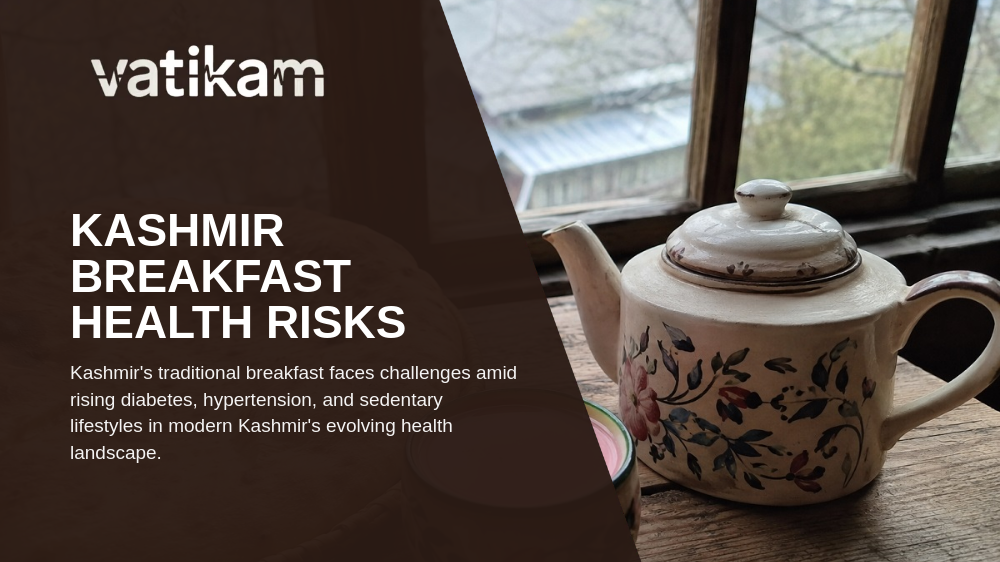
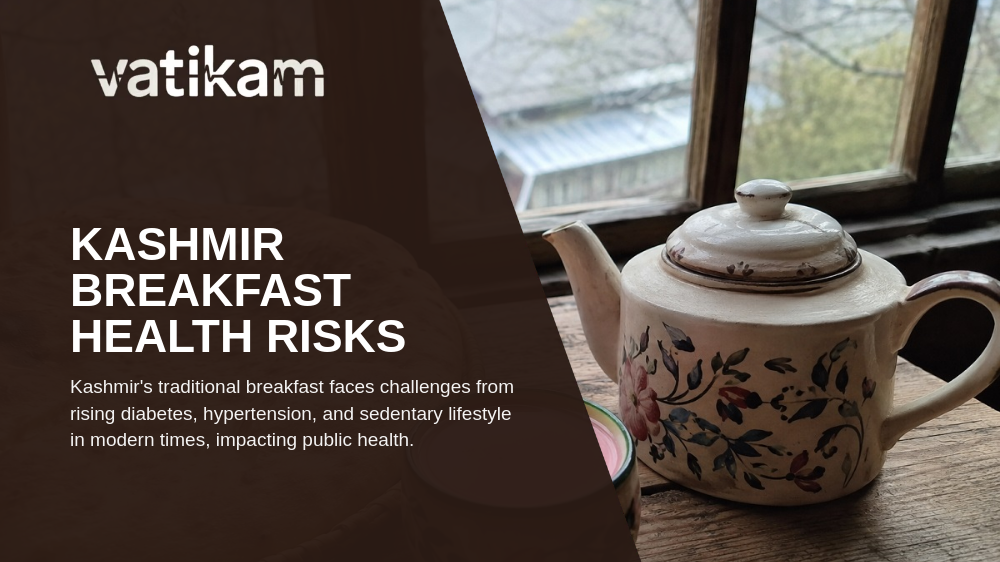
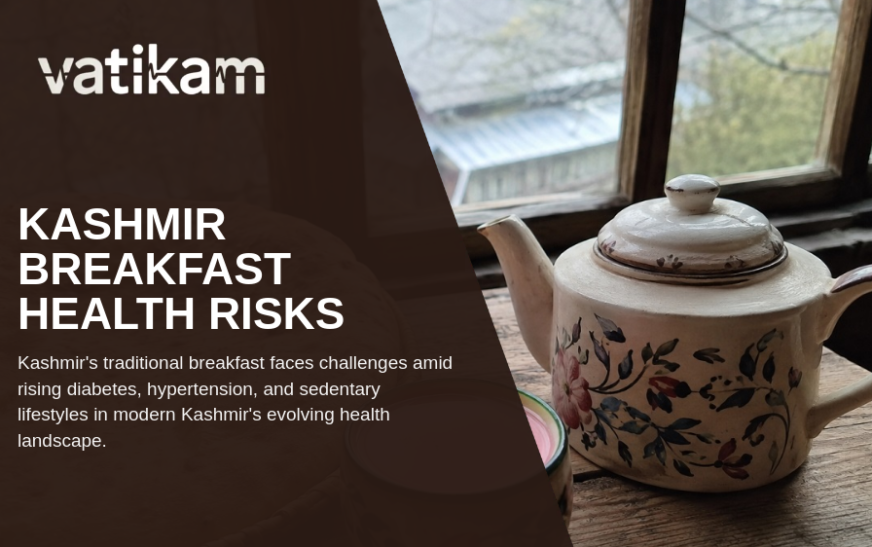
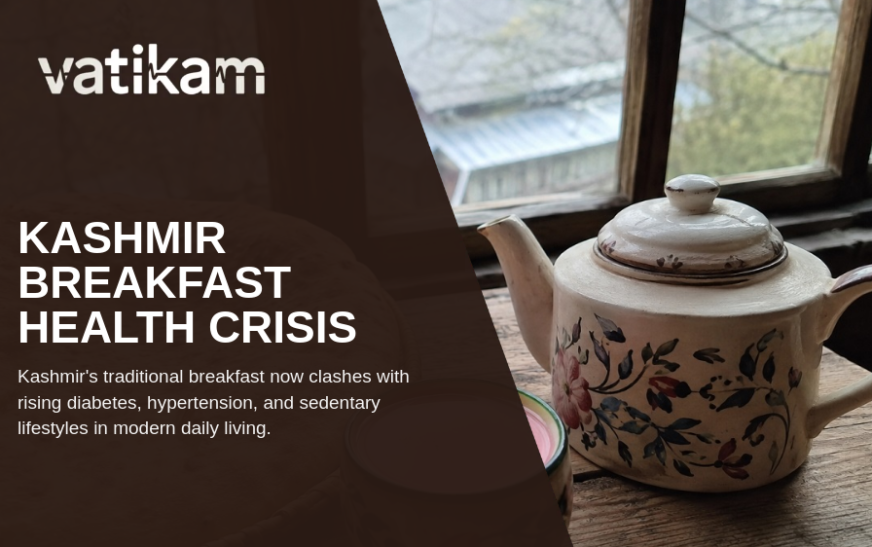
Kashmir’s morning ritual of enjoying hot girda bread and steaming pink noon chai has been a cherished tradition for generations. This breakfast is deeply embedded in the valley’s culture, symbolizing more than just nourishment—it reflects memories, climate, family bonds, and a shared history. However, while this custom holds great cultural value, questions have arisen about its health implications in today’s context.
The Legacy of Kashmir’s Traditional Breakfast
Historically, this breakfast was designed for a very different lifestyle. In a time when harsh winters and intense physical labor defined daily life, calorie-dense and salty foods like girda and noon chai were practical. People worked long hours in orchards, fields, and rugged terrains, walking extensively and burning off the energy consumed throughout the day.
The Role of Noon Chai and Girda
Noon chai, the iconic salty pink tea, is brewed with prolonged boiling and often reheated multiple times. This process increases tannins and compounds that may irritate the stomach but, more importantly, it contributes significant sodium intake. Salt was essential for hydration and maintaining body functions under physically demanding conditions.
Girda, the round bread baked traditionally in clay tandoors, was originally made with wholegrain flours that provided fiber and nutrients needed for sustained energy.
Modern Lifestyle and Changing Health Concerns
Today’s Kashmir is a stark contrast to the era when this breakfast evolved. Urbanization has brought about sedentary occupations, longer hours at desks, reliance on vehicles, and elevated stress levels. Unfortunately, the traditional breakfast habits have remained largely unchanged despite these shifts.
Chronic health issues like diabetes, hypertension, obesity, fatty liver disease, and metabolic disorders are on the rise. A diet predominantly consisting of refined carbohydrates and high sodium intake contributes to these growing concerns.
Health Challenges Linked to Traditional Ingredients
- Sodium Content in Noon Chai: Excessive sodium is linked to high blood pressure and cardiovascular diseases. Although people may limit salt intake during lunch and dinner, multiple cups of salty noon chai in the morning can add up to a substantial hidden sodium load.
- Refined Flour in Girda: Many Girda breads today rely on refined maida flour, stripped of fiber and bran during processing. This causes rapid spikes in blood sugar levels, leading to energy crashes and increased hunger, potentially contributing to insulin resistance and diabetes over time.
- Exposure to Biomass Smoke: Traditional tandoors burning firewood in poorly ventilated spaces expose bakers to harmful smoke, increasing risks of respiratory illnesses and chronic health problems.
Adapting Tradition for Healthier Futures
Preserving culture does not mean clinging to outdated dietary habits at the expense of health. Many societies have successfully modernized traditional foods by integrating scientific nutrition insights without losing cultural identity.
Kashmir can innovate similarly by:
- Using whole wheat, barley, millet, or mixed-grain flours for Girda to enhance fiber and nutrient content.
- Reducing sodium gradually in noon chai to adjust taste preferences without sacrificing its distinctive flavor.
- Supplementing breakfast with walnuts, eggs, pulses, yogurt, and seasonal vegetables to improve nutritional balance.
- Introducing smokeless, modern tandoors to preserve traditional flavors while protecting bakery workers.
The Role of Education and Awareness
Schools and communities should educate young Kashmiris about the cultural significance and nutritional aspects of their traditional food. Understanding how these foods affect health can empower informed choices that respect heritage and promote well-being.
Balancing Tradition and Modern Wellness
It is a misconception that traditional foods are inherently healthy in all contexts. Diets evolve with climate, labor needs, and available resources. While honoring tradition is important, embracing scientific examination and adaptation is crucial for long-term health.
Modern wellness focuses heavily on supplements and trendy health products but often overlooks daily dietary habits that have the greatest cumulative impact on health.
Ultimately, enjoying a cup of noon chai or a piece of girda occasionally is not harmful. The concern lies in repeated consumption patterns without balanced nutrition in the context of today’s less active lifestyles.
Can Kashmir’s beloved breakfast tradition evolve to meet the needs of modern health challenges? With mindful adjustments, it certainly can, preserving cultural pride and promoting healthier generations.
Author: Obeida Ashraf, a teacher and health-conscious contributor.