
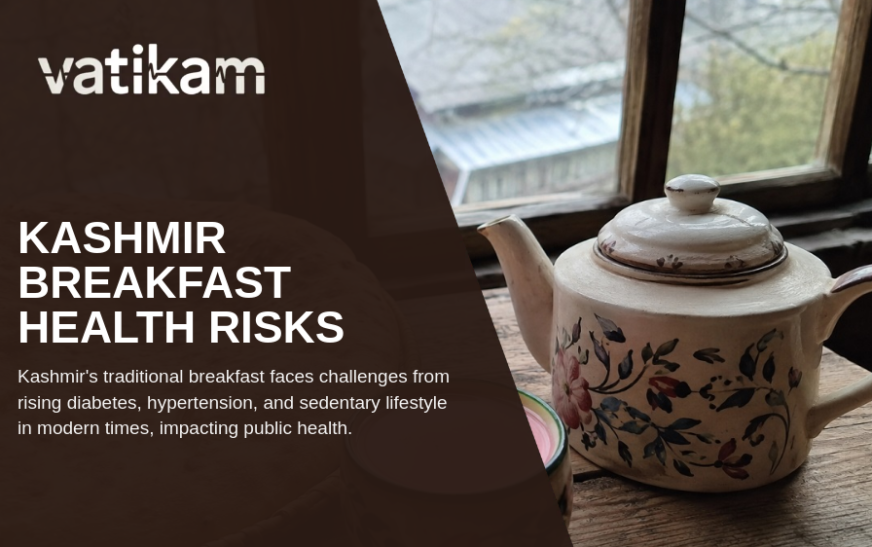
Is Kashmir’s Traditional Breakfast Contributing to Diabetes and Hypertension?
A cherished morning ritual in Kashmir, known for its cultural significance and timeless charm, is now facing scrutiny for its health implications amidst changing lifestyles. The traditional breakfast of hot girda bread from the tandoor accompanied by steaming pink noon chai has long been a staple in the valley, symbolizing memory, climate, family, and belonging. However, with increasing cases of diabetes, hypertension, and sedentary living in modern Kashmir, it’s crucial to assess whether this breakfast remains healthy in today’s context.
The Cultural and Historical Roots of Kashmir’s Breakfast
This traditional breakfast originated in an era marked by harsh winters, intense physical labor, and limited food availability. People in Kashmir traditionally spent their days working outdoors in orchards, fields, forests, and mountains, with walking as a primary mode of transport. In such demanding conditions, calorie-dense and salty foods like girda and noon chai served a practical role by providing energy and maintaining hydration.
Modern Challenges: Changing Lifestyles and Rising Health Concerns
Contemporary Kashmir presents a very different lifestyle with more sedentary, urban living, longer hours spent sitting at desks, increased stress levels, and less physical activity. This shift has seen a rise in metabolic disorders including diabetes, hypertension, obesity, fatty liver disease, and heart disease, yet traditional breakfast habits have largely persisted unchanged.
Noon Chai: A Closer Look
Noon chai, the iconic pink tea, is often boiled for prolonged periods and reheated repeatedly, extracting high levels of tannins that may irritate digestive health in some individuals. Of greater concern is its high sodium content. While salt is essential for bodily functions, excessive sodium intake is linked to high blood pressure and cardiovascular diseases. Many people attempt to limit salt intake during meals but may unknowingly consume significant amounts of sodium through multiple cups of noon chai each morning, contributing to hypertension risks.
Girda Bread: Tradition vs. Nutrition
Girda bread, traditionally baked in clay tandoors, often uses refined maida flour in modern times rather than whole grains. The refining process removes bran and fiber, resulting in softer bread but causing rapid glucose absorption leading to blood sugar spikes and energy crashes. Regular consumption of refined carbohydrates is linked to insulin resistance and metabolic diseases. Furthermore, exposure to smoke from firewood used in tandoors poses respiratory risks to bakers who face daily exposure to biomass smoke.
Balancing Tradition with Modern Nutritional Science
Preserving Kashmir’s culinary heritage does not mean ignoring health. Many cultures have successfully adapted their traditional diets to contemporary health standards without losing identity—such as Japan’s rice culture or Mediterranean countries’ bread traditions.
Kashmir can embrace healthier breakfast choices by:
- Using whole wheat, barley, millet, or mixed-grain flours for girda to increase fiber and nutrient content.
- Reducing sodium gradually in noon chai to adjust taste preferences without losing traditional flavors.
- Complementing meals with walnuts, eggs, pulses, yogurt, and fresh seasonal produce to improve nutritional balance.
- Introducing modern smokeless tandoors to protect bakery workers from smoke-related health hazards.
Education and Awareness: A Path Forward
Schools should teach students not only the cultural significance of traditional Kashmiri food but also its biological impacts on health. This dual understanding empowers people to make informed dietary choices that respect tradition while promoting well-being.
Rethinking Tradition in the Context of Health
While traditional foods often carry an assumption of automatic health benefits, human diets evolve based on environment, labor intensity, scarcity, and survival needs. What was once necessary and beneficial may require adaptation as lifestyles change.
The goal is not to reject heritage but to evolve it thoughtfully. One cup of noon chai or one girda won’t cause disease, but habitual consumption of unbalanced meals, especially amid decreased physical activity, can substantially affect long-term health.
Conclusion
Kashmir’s beloved breakfast ritual is a symbol of cultural identity and familial connection. However, rising lifestyle-related health issues call for a re-examination of these dietary habits. Through informed modifications and gradual changes, Kashmir can maintain its cherished culinary traditions while fostering healthier communities. The future lies in balancing respect for heritage with scientific knowledge to ensure that Kashmir’s breakfast continues to nourish both body and soul.
Author: Obeida Ashraf, teacher and contributor to public health discourse in Kashmir.