
Innovative Growth Strategies at Cipla: Biosimilars, Complex Generics, and AI Integration
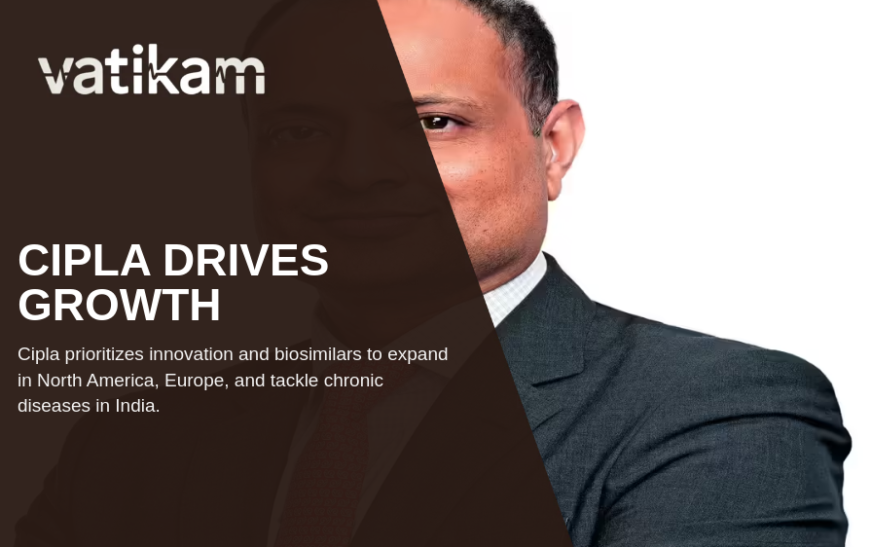
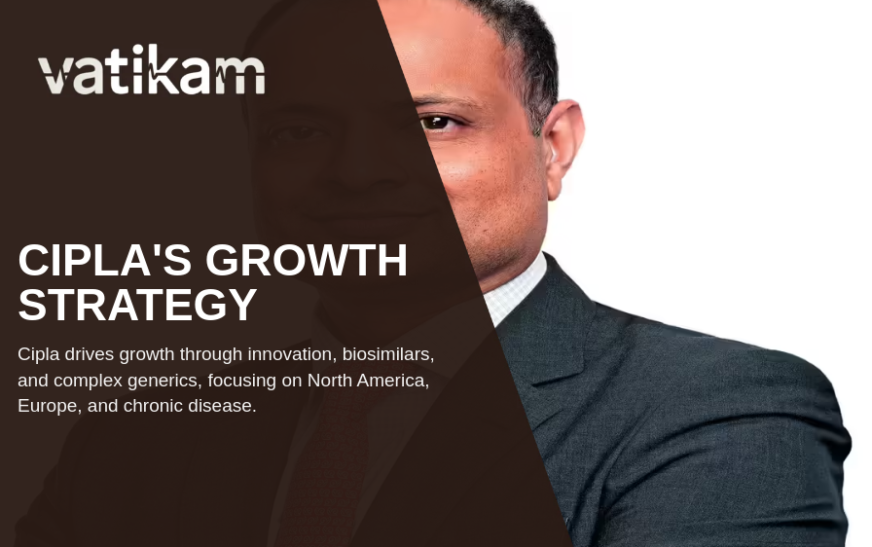
As Cipla approaches its centenary, the pharmaceutical giant is reshaping its future by embracing innovation and technology to drive growth and expand its global presence. Achin Gupta, Managing Director and Group CEO, outlines a strategic vision that prioritizes cutting-edge biosimilars, complex generics, and the adoption of artificial intelligence (AI) to enhance productivity and broaden the company’s product offerings.
Embracing Innovation for Sustainable Growth
Innovation is central to Cipla’s next decade of growth. While generics will continue to form the backbone of Cipla’s business, contributing more than 80% of revenues, the company is determined to develop a meaningful portion of its income from innovative products by the time it reaches 100 years. Pioneering efforts in stem cell research, mRNA technologies, and inhaled insulin are setting the foundation for this transformation.
Historical Success and Future Vision
Cipla’s 90-year journey has been marked by significant milestones, including leadership in respiratory therapies and HIV treatment initiatives. The shift from oral therapies to inhalation devices revolutionized treatment in India, while its ‘dollar-a-day’ initiative made lifesaving HIV treatments accessible to millions worldwide. Building on these successes, Cipla plans to continue increasing access to medicines while diversifying its portfolio, especially focusing on chronic conditions like diabetes, cardiovascular diseases, and obesity in India.
Global Expansion and Market Priorities
With India remaining Cipla’s largest market, the company is strategically emphasizing growth in North America and Europe. In North America, Cipla has transitioned from partnership-based presence to establishing its own front-end operations over the past decade, with a focus on complex products including respiratory drugs, peptides, and oligonucleotides.
- The pipeline includes four respiratory products expected for approval in 2026, alongside three peptide drugs.
- Biosimilars development is accelerating, with one biosimilar already entering Phase 1 clinical trials in the US.
- Plans are underway to add one to two new biosimilars annually over the next five to six years to build a robust portfolio.
In Europe, Cipla recognizes under-penetration relative to market opportunity and aims to scale its operations significantly.
Integrating AI for Increased Efficiency
Cipla is on a path to become an AI-first organization. The goal is to equip all employees with AI literacy and identify key processes where AI can optimize workflows and productivity. This technological integration is expected to play a crucial role in enabling faster development cycles, better decision-making, and overall operational agility.
Selective Acquisitions and Partnerships
The company’s acquisition strategy remains cautious and focused. Cipla avoids large acquisitions in India due to market leadership and overlap considerations, instead prioritizing quality business segments addressing genuine unmet needs. However, in the US and Europe, Cipla remains open to acquiring differentiated assets that can strengthen its market presence and pipeline.
Focus on Chronic and Metabolic Diseases
Addressing diabetes, cardiovascular diseases, and obesity is a core part of Cipla’s strategy in India. The company has launched several diabetes and cardiovascular treatments, with prominent brands such as Dytor leading its cardiology portfolio. Its diabetes portfolio includes SGLT2 inhibitors and a partnership to market the DPP4 portfolio. Cipla also markets Eli Lilly’s entire insulin range, including inhaled insulin—underscoring its commitment to comprehensive chronic disease management.
On obesity, Cipla has partnered with Lilly to promote tirzepatide (Yurpeak), a dual-receptor drug considered best-in-class. The company focuses on expanding this therapy’s availability beyond metropolitan areas, targeting deeper penetration in India’s vast patient population. Cipla’s strategic focus on tirzepatide over semaglutide is deliberate, concentrating efforts on a drug with greater intervention success and less crowded market competition.
Investor Outlook and Future Product Launches
Despite some short-term margin pressures linked to expired exclusivities and investments in alternate US manufacturing sites, Cipla’s investor confidence remains strong. The company is poised for multiple upcoming product launches, including four respiratory drugs scheduled in 2026, such as generic versions of Ventolin, Symbicort, and Advair.
These launches, along with continued innovation, biosimilars development, and AI integration, position Cipla for sustained growth domestically and internationally over the coming decade.
Conclusion
Cipla’s strategic roadmap highlights a balanced approach—retaining generics as the principal revenue source while aggressively investing in innovative treatments and advanced technologies. By focusing on expanding its footprint in North America and Europe, doubling down on chronic disease therapies in India, and embracing AI, Cipla is setting the stage for robust and future-ready growth as it nears its 100th anniversary.
For stakeholders and observers, Cipla’s move towards innovation-driven healthcare solutions, coupled with its prudent growth and acquisition strategy, represents a compelling model in the evolving global pharmaceutical landscape.