
India Leading the Human Skills Economy Through Rapid AI Adoption
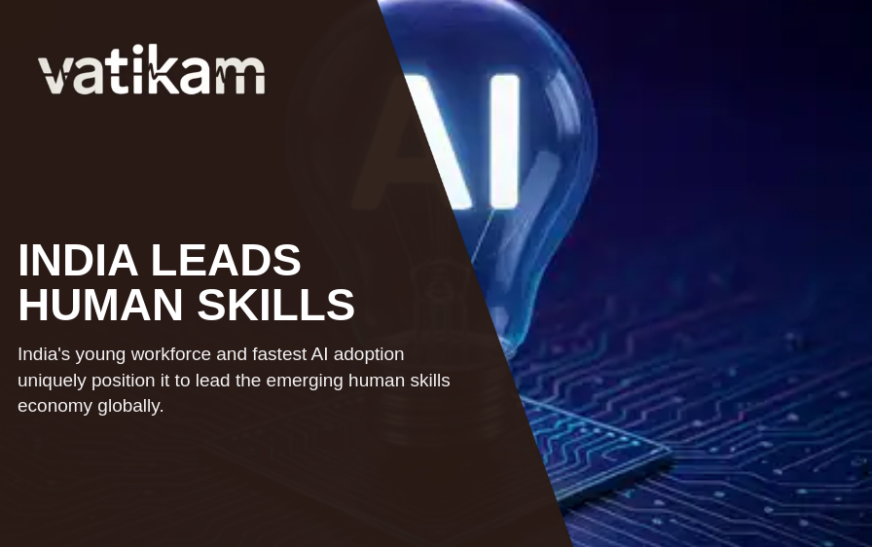
India is emerging as a global leader in the evolving “human skills economy,” driven by its young workforce and unparalleled adoption of artificial intelligence (AI) technology. According to a recent report by the International Workplace Group (IWG), India currently boasts the highest rate of AI integration among workers worldwide, positioning the country at the forefront of this technological revolution.
The Surge in AI Adoption in India
The IWG report highlights that approximately 73% of Indian workers regularly use AI tools—significantly outpacing countries like the United States at 45% and the United Kingdom at 29%. This rapid adoption reflects a proactive approach from both organizations and employees to embrace AI for enhancing productivity and innovation.
Microsoft’s 2025 Work Trend Index India further confirms this momentum, revealing that 93% of Indian business leaders plan to deploy AI agents within the next 12 to 18 months to augment workforce capabilities. Such initiatives emphasize the growing trend of integrating AI deeply into everyday work environments.
The Critical Role of Human Skills in the AI Era
While AI tools advance automation and efficiency, the report underscores the enhanced importance of uniquely human capabilities. Skills such as empathy, judgment, leadership, and collaboration are becoming indispensable as organizations redesign work to foster human-AI partnerships.
NASSCOM, India’s premier IT industry association, estimates an enormous opportunity to reskill and develop 8 to 10 million professionals in AI-related services by 2030. This reskilling potential will reinforce India’s workforce advantage for years to come.
Bridging the Skills Gap
Despite the promising outlook, challenges remain. Nearly 90% of HR leaders worldwide express concerns about insufficient focus on human capabilities, which they view as critical to driving innovation. India faces a growing demand for AI talent, expected to rise from 650,000 professionals in 2022 to over 1.25 million by 2027.
However, a shortage of qualified professionals could limit the country’s growth and innovation potential. It is vital for companies to prioritize workforce development and training programs that combine AI proficiency with strong human skills.
The Hybrid Workplace as a Catalyst for Human Skill Development
The report points out that 55% of HR leaders believe hybrid workplaces offer the most effective environment for nurturing essential human traits like empathy, leadership, trust, mentorship, and decision-making. These skills are critical in complementing AI technologies and creating balance in digital workplaces.
Interestingly, 73% of hybrid teams are already leveraging AI tools such as ChatGPT, and 82% of organizations provide AI training. However, fewer than half of HR leaders feel their organizations are adequately closing the skills gap, indicating a need for accelerated efforts in workforce readiness.
Looking Ahead: India’s Workforce Advantage
India’s combination of a youthful workforce, high AI adoption, and emphasis on human skills uniquely positions the country to lead the global human skills economy. By investing in large-scale reskilling and fostering environments that integrate AI and human collaboration, India is set to drive innovation and economic growth in the coming decade.
Organizations and policymakers must continue to prioritize this collaborative approach to ensure sustainable growth and maintain competitive advantage in the rapidly evolving digital economy.