
Ebola Alert in India: Mandatory Thermal Screening and Self-Declaration at Airports Following DGCA SOP
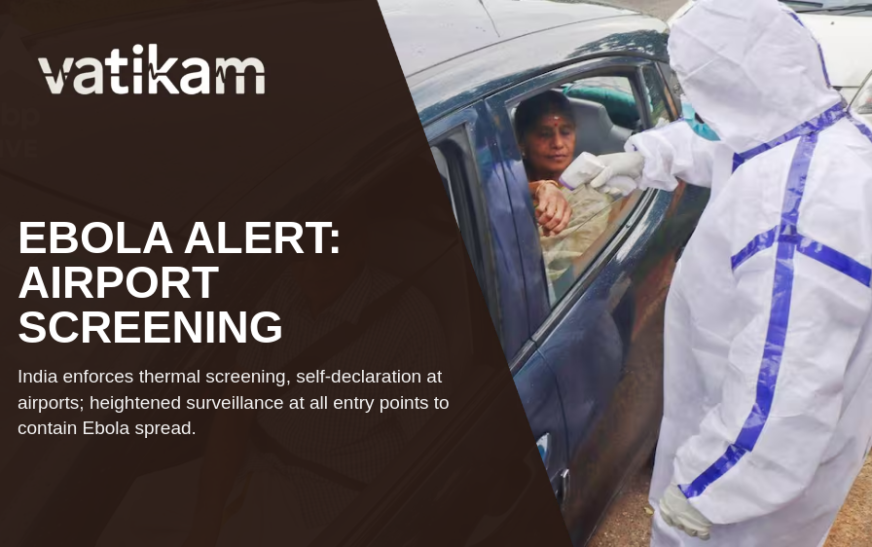
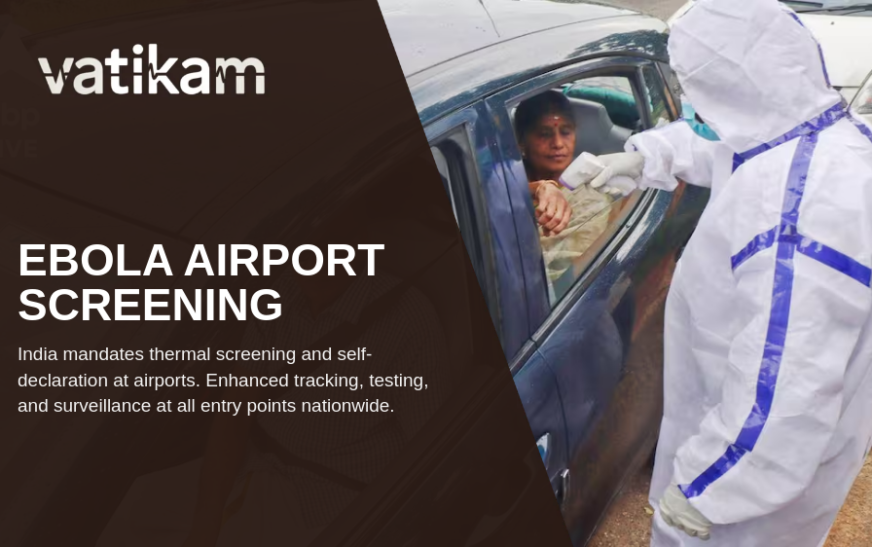
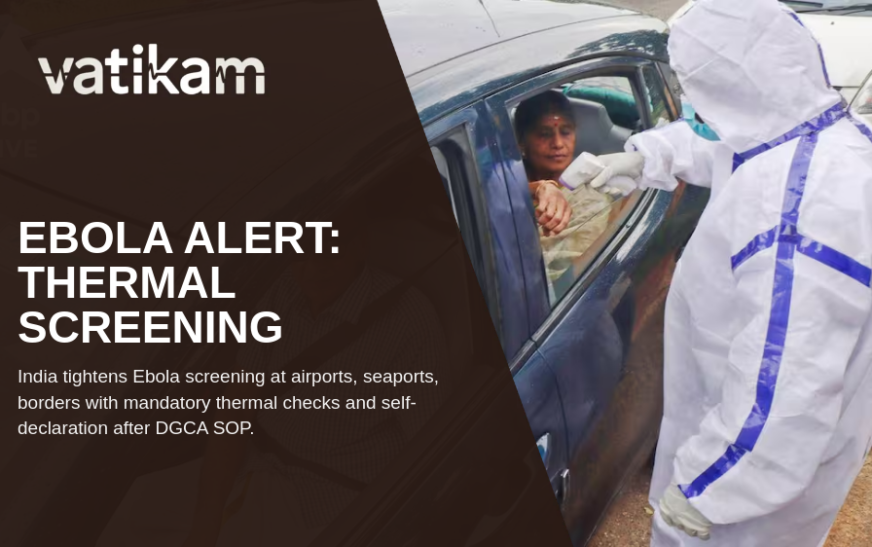
In light of the recent Ebola outbreak in parts of Africa, India has ramped up its preventive measures to safeguard its population. As of May 25, 2026, the Directorate General of Civil Aviation (DGCA) has mandated thermal screening and self-declaration for all passengers at airports across the country. This critical step aims to enhance vigilance and mitigate any potential risks of Ebola virus entering India.
Enhanced Screening at All International Entry Points
The Indian government has directed authorities to implement rigorous Ebola virus screening protocols at all international entry points, including airports, seaports, and land border checkpoints. These measures are part of comprehensive surveillance to identify and prevent the spread of the virus promptly.
The Indian Council of Medical Research (ICMR) and the National Centre for Disease Control (NCDC) are on high alert, fully prepared to deploy tracking, testing, and surveillance systems whenever required. Their readiness ensures timely detection and control of any suspected or confirmed cases.
Global Health Emergency Context
The World Health Organization (WHO) has officially declared the current Ebola outbreak a Public Health Emergency of International Concern (PHEIC). Simultaneously, the Africa Centres for Disease Control and Prevention (Africa CDC) has categorized it as a continental-level health emergency, emphasizing the urgency of coordinated international efforts.
Union Health Minister Reviews Preparedness Measures
Union Health Minister Jagat Prakash Nadda conducted a detailed review of India’s preparedness and surveillance mechanisms to address the Ebola threat. The Health Ministry confirmed that, to date, there have been no reported cases of Bundibugyo Ebola disease in India.
Nevertheless, following the global health emergency declarations, the Indian government has activated enhanced screening and monitoring protocols. These protocols include quarantine guidelines, clinical management strategies, laboratory testing procedures, and infection prevention measures, all disseminated to States and Union Territories.
Minister Nadda emphasized maintaining continuous readiness of tracking, testing, and surveillance infrastructure by officials from the Health Ministry, ICMR, and NCDC to promptly counter potential Ebola cases.
India Issues Travel Advisory for High-Risk Regions
On May 24, 2026, India issued a travel advisory urging citizens to avoid non-essential travel to countries severely affected by the Ebola outbreak, specifically the Democratic Republic of Congo, Uganda, and South Sudan. This advisory supports broader efforts to limit disease transmission.
The Health Ministry also circulated detailed Standard Operating Procedures (SOPs) and hospital preparedness guidelines. These documents cover infection control measures, isolation protocols, and safe handling of Ebola-related fatalities to strengthen healthcare facility readiness.
Key Preventive Measures for Travelers and Authorities
- Mandatory thermal screening for all passengers at international airports to detect potential fever symptoms.
- Self-declaration forms to be filled by travelers to report any recent travel history to Ebola-affected regions or symptoms experienced.
- Strict implementation of quarantine and isolation protocols based on screening results.
- Continuous monitoring, testing, and surveillance by ICMR and NCDC at all international points of entry.
- Public awareness campaigns to educate travelers and citizens on Ebola symptoms and prevention strategies.
Conclusion
India’s proactive approach in enforcing thermal screening and self-declaration requirements at airports reflects its commitment to protecting public health amid the ongoing Ebola crisis. By adhering to stringent screening processes and collaborating with health agencies, the country aims to prevent the virus from gaining a foothold nationally.
Travelers are advised to respect the guidelines issued by health authorities, avoid unnecessary travel to affected regions, and stay informed about the latest updates on the Ebola outbreak. Vigilance and cooperation remain key in safeguarding communities and ensuring collective safety.