
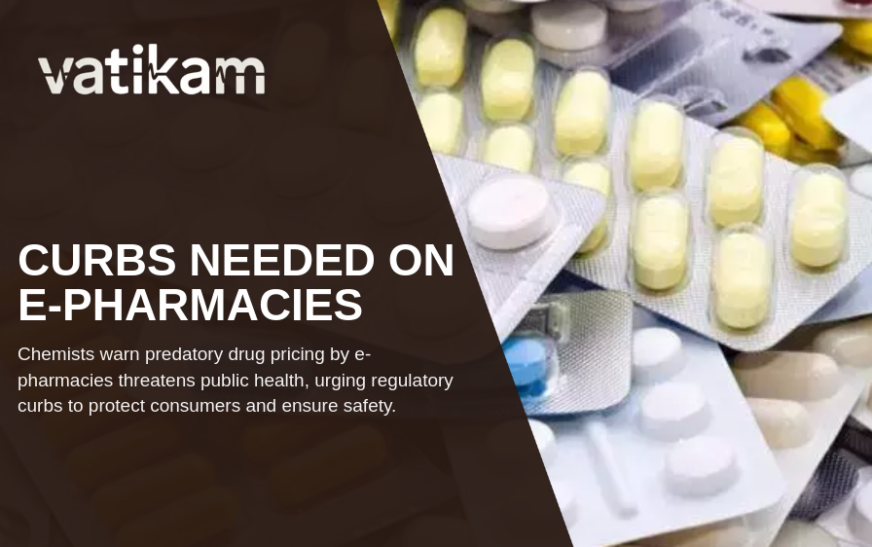
Call for Regulations on E-Pharmacies to Protect Public Health in India
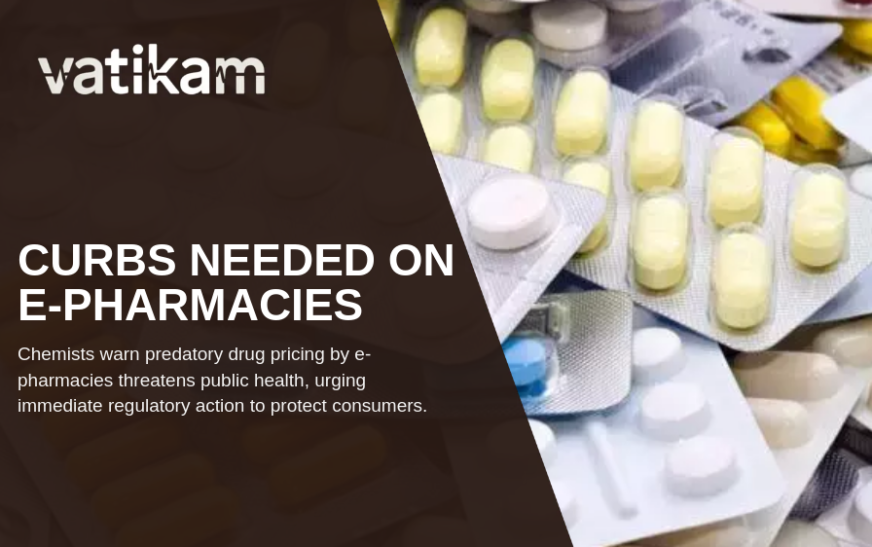
In recent years, the rise of e-pharmacies has transformed the way medicines are purchased across India. However, this shift has raised serious concerns among chemists and druggists regarding public health and the sustainability of traditional pharmaceutical retailers. The growing influence of online medicine platforms, coupled with predatory pricing practices and regulatory relaxations introduced during the Covid-19 pandemic, has prompted calls for stricter government controls.
Concerns Raised by Chemists and Drugists
Chemists and druggists from Andhra Pradesh have publicly appealed to the central government to disallow the unchecked operation of e-pharmacies. They warn that the current regulatory framework is insufficient to prevent the rampant sale of medicines without prescriptions, especially those generated by artificial intelligence (AI) that are fake or invalid. Such practices risk the uncontrolled availability of antibiotics, habit-forming drugs, and even abortion pills.
The misuse of antibiotics and other prescription medications without proper medical supervision is contributing to a rise in antimicrobial resistance, which poses a significant threat to patient safety and public health nationwide. This increase in drug-resistant infections is a dangerous consequence of poorly regulated medicine sales, undermining efforts to control diseases effectively.
Impact of Predatory Pricing and Corporate Pharma Giants
Besides health concerns, chemists are alarmed by predatory pricing strategies employed by certain corporate pharmaceutical companies. These firms offer deep discounts on essential medicines, which create unhealthy competition that disproportionately harms small chemists, especially those in rural and semi-urban areas. This dynamic threatens the traditional medicine supply chain and could lead to the closure of neighborhood pharmacies that millions of people rely on daily.
Regulatory Notifications and Their Misuse
Two key government notifications are at the core of the controversy:
- GSR 220 (E) dated March 26, 2020: Issued during the pandemic, this notification relaxed the rules requiring original and stamped prescriptions to dispense medicines, leading to misuse by some e-pharmacies.
- GSR 817 (E) dated August 28, 2018: This regulation enabled e-pharmacies to operate legally, but has since been criticized for insufficient oversight, allowing sales based on fake prescriptions and facilitating the circulation of counterfeit and habit-forming drugs.
These regulatory gaps facilitate the unauthorized sale of Schedule H and H1 medicines — categories that require strict control due to their potent effects and potential for abuse. The prevalence of fake prescriptions and non-existent doctors issuing them is especially troubling and contributes to a growing public health risk.
The Call for Action
In response to these challenges, the Association of Chemists and Druggists has announced a nationwide shutdown on May 20 to draw the government’s attention to their concerns. They urge the withdrawal of the relaxed notifications and call for stricter enforcement of pharmaceutical regulations, including:
- Disallowing e-pharmacies that operate without stringent prescription verification.
- Stopping predatory pricing practices that destabilize fair market competition.
- Implementing measures to prevent the circulation of counterfeit and habit-forming drugs.
- Regulating medicine discounts in line with norms set by the Drug Price Control Order and the National Pharmaceutical Pricing Authority.
Association president P Venkata Ratnam emphasized the urgency of government intervention to safeguard public health and uphold the livelihoods of the 12.4 lakh chemists and distributors in India, along with millions who depend on this sector.
Conclusion
The rapid growth of e-pharmacies presents both opportunities and risks. While online platforms can increase accessibility to medicines, inadequate regulation threatens patient safety and the traditional medicine retail ecosystem. Addressing these issues through balanced regulatory reforms and stringent oversight is essential to protect public health, prevent drug abuse, and sustain the pharmaceutical distribution network throughout India.
}} ionalesistant infections.
Moreover, the predatory pricing by corporate pharma giants threatens small chemists and the medicine supply system, especially in rural and semi-urban areas. Regulatory notifications relaxing prescription norms have been misused by some e-pharmacies leading to sale of fake prescriptions and counterfeit medicines.
Therefore, the Association of Chemists and Druggists seeks government intervention to ensure strict regulation, withdrawal of relaxed Covid-era notifications, and control over medicine pricing to safeguard public health and small businesses. A nationwide shutdown has been called on May 20 to press these demands.
India’s medicine sector supports millions of livelihoods and needs balanced regulation to protect both consumers and traditional retailers effectively.