
Call for Stricter Regulations on E-Pharmacies to Protect Public Health in India
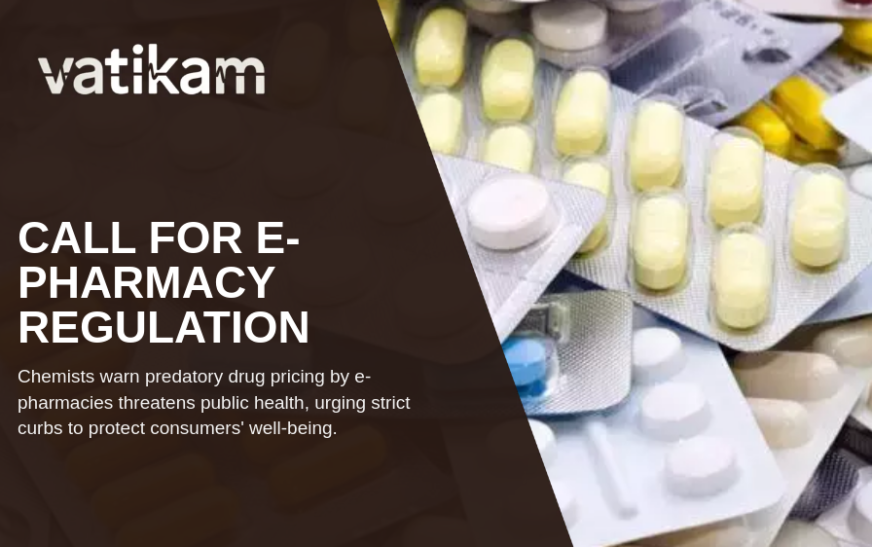
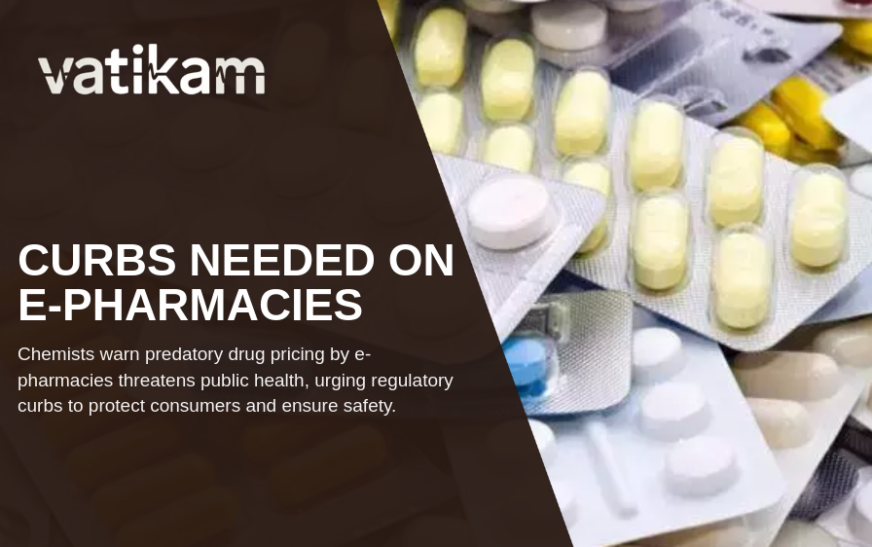
India’s chemists and druggists have raised urgent concerns about the growing impact of e-pharmacies on public health and the pharmaceutical retail sector. They are appealing to the central government to implement stringent controls on online medicine sales and address predatory pricing practices by corporate pharmaceutical companies. These issues, they warn, threaten the safety of patients and the livelihood of small, local chemists across the country.
The Rising Threat from Unregulated E-Pharmacies
In a recent statement, representatives from chemists’ associations highlighted that e-pharmacy platforms are exploiting regulatory relaxations introduced during the COVID-19 pandemic. This has enabled them to sell medicines without valid prescriptions from qualified doctors, often relying on artificial intelligence-generated fake prescriptions. Such practices increase the unchecked availability of antibiotics, habit-forming drugs, and abortion pills.
The reckless use of antibiotics and certain medications without professional supervision contributes to antimicrobial resistance, a dangerous development that could undermine medical treatments and jeopardize patient health.
Impact of Predatory Pricing on Small Chemists
Another critical concern is the deep discounting strategies employed by some corporate pharmaceutical companies. Offering medicines well below the prescribed margins under the Drug Price Control Order and guidelines set by the National Pharmaceutical Pricing Authority, these pricing tactics create unfair competition.
This price war jeopardizes the survival of small chemists, particularly in rural and semi-urban areas, who form the backbone of accessible medicine supply across India.
Demand for Withdrawal of Pandemic-Era Regulatory Notifications
The associations have demanded the government revoke certain notifications introduced during the COVID-19 period that they believe have been misused. Key among these are:
- GSR 220 (E) dated March 26, 2020: This notification relaxed mandatory norms requiring the presentation of an original prescription and prescription stamping to purchase medicines over the counter. Chemists state that this has led to widespread misuse, undermining prescription controls.
- GSR 817 (E) dated August 28, 2018: This notification facilitated the operation of e-pharmacies by allowing online sale of medicines. However, lacking sufficient regulatory oversight, it has opened avenues for fake prescriptions, circulation of counterfeit medicines, and unauthorized sale of habit-forming and Schedule H/H1 drugs, posing major health risks.
Call for Government Intervention and Regulatory Reforms
P Venkata Ratnam, president of the chemists’ association, emphasized the urgent need for central government intervention to address these challenges comprehensively. He warned that unabated online sales without appropriate controls could lead to drug abuse and increased resistance, ultimately harming patients.
India’s pharmaceutical retail sector is extensive, with over 1.24 million chemists and distributors and approximately 40 to 50 million people depending on this sector for their livelihoods. Maintaining a balanced ecosystem where medicines remain accessible in both urban and rural areas is critical.
Protecting Public Health and the Traditional Pharmaceutical Supply Chain
The chemists advocate for:
- Stringent restrictions on e-pharmacies to ensure medicines are sold only against verified prescriptions.
- Regulation of medicine discounts within margins prescribed under existing drug price control orders.
- Withdrawal or revision of pandemic-era notifications that have compromised medicine dispensing norms.
These measures are crucial to safeguarding public health from the dangers of drug misuse and antimicrobial resistance while preserving the economic viability of small chemists nationwide.
Conclusion
As e-pharmacies continue to expand their reach, addressing regulatory gaps and enforcing fair pricing policies become imperative. The combined efforts of the government, regulatory authorities, and pharmaceutical stakeholders are essential to create a safe, equitable, and sustainable medicine supply system that benefits all citizens.
Source: Deccan Chronicle