
Why the Japanese Philosophy of ‘Nintai’ Holds the Secret to Staying Calm
In today’s fast-paced world where instant results and constant productivity are often glorified, the traditional Japanese philosophy of Nintai offers a refreshing antidote. This ancient concept encourages calm endurance, mindful living, and inner peace even amid everyday challenges. As more individuals seek ways to manage stress and cultivate patience, understanding and practicing Nintai could transform how we approach life’s struggles.
What Is Nintai?
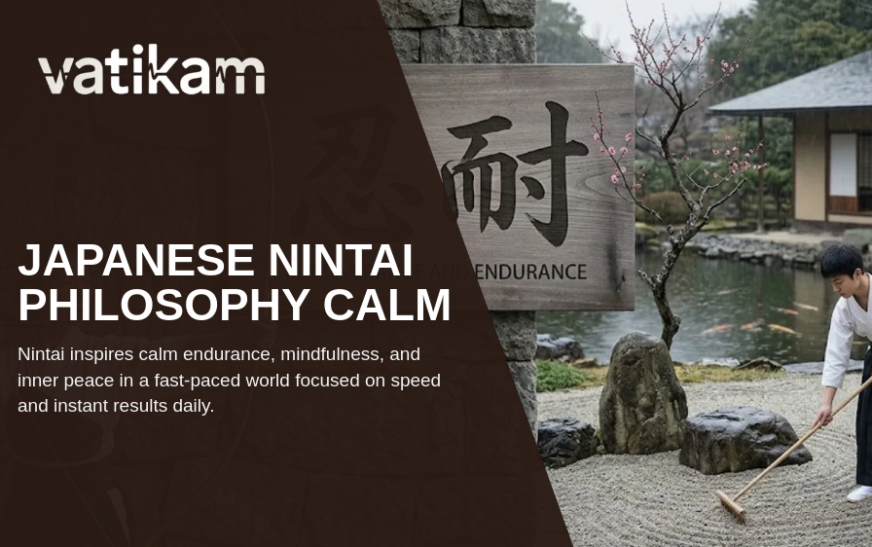
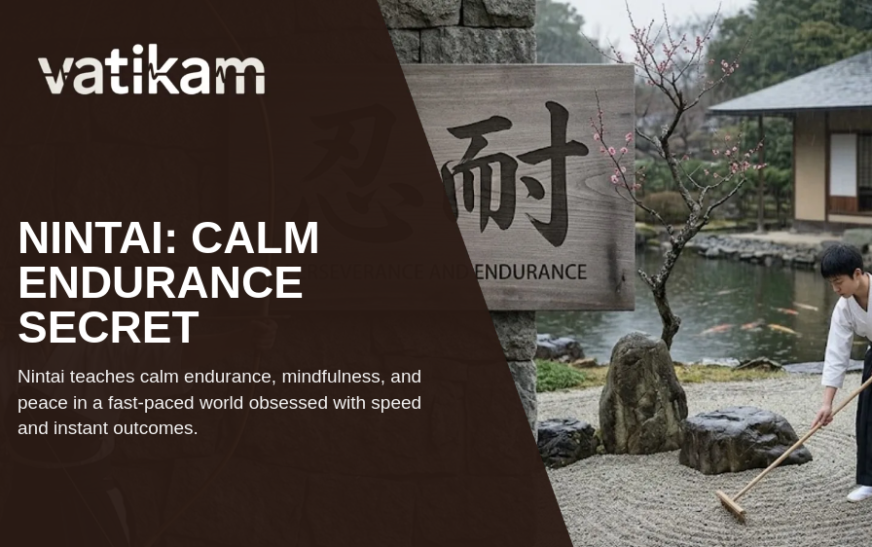
Originating from Japan, the word Nintai is formed by two Japanese characters: Nin, meaning “to endure,” and Tai, meaning “to push through.” Together, Nintai embodies “patient endurance with dignity.” Unlike modern psychological resilience that emphasizes bouncing back from adversity, Nintai is rooted in spiritual awareness and acceptance.
Saamdu Chetri, Director of the Yogananda School of Spirituality and Happiness at Shoolini University, explains that Nintai represents a deeper, calmer way of facing difficulties. “It’s not about rebounding but about being with the challenge—enduring it calmly, with inner grace and mindfulness,” he notes. Western approaches often focus on coping mechanisms and external recovery, whereas Nintai centers on internal acceptance, awareness, and transformation.
How Nintai Differs from Modern Resilience
While resilience in psychology typically involves reacting to overcome hardship, Nintai proposes a more steady and peaceful approach. It teaches that true endurance arises not from struggle or resistance but from a profound calmness and dignity in the face of hardship.
Chetri highlights, “Resilience does not always have to be a reaction; it can be calm and steady, emanating from a sense of peace rather than struggle.” This inner equilibrium nurtures a mindful presence where one is fully engaged with the moment without rushing to escape discomfort.
The Stress-Relieving Benefits of Practicing Nintai
Embracing Nintai in daily life has significant benefits for mental health. When individuals cultivate this philosophy through what Chetri calls the five divine endowments—imagination, awareness, memory, will, and conscience—they learn to slow down the restless mind. This shift leads to proactive emotional management rather than reactive responses.
This calming influence on the body reduces stress hormones and activates the parasympathetic nervous system, the branch responsible for rest and recovery. Over time, regular practice builds emotional endurance, lowers anxiety, and promotes inner stability. “Nintai clearly tells us that peace lies in living in the moment, not in escaping discomfort,” Chetri adds.
Simple Ways to Practice Nintai Every Day
Adopting Nintai doesn’t require radical lifestyle changes. Rather, it grows through small, mindful habits integrated into everyday routines. Here are some simple steps to nurture Nintai:
- Pause before responding to messages to gather your thoughts.
- Take deep, intentional breaths while waiting at a traffic light.
- Observe your surroundings carefully and without judgment.
- Engage in slow, mindful walking to anchor yourself in the present.
- Keep a gratitude journal to enhance awareness of positive aspects in life.
- Set aside quiet moments for meditation or reflection.
- Spend time in nature to calm the mind and foster a deeper connection with the world.
Through these practices, Nintai becomes a choice—calm over haste, understanding over reaction, and faith over fear.
Conclusion
In a society captivated by speed and quick success, the Japanese philosophy of Nintai reminds us to slow down and endure life with patience and grace. It offers a path to resilience that is not about fighting or rushing through adversity but about embracing challenges with mindfulness and dignity. By incorporating Nintai into our daily lives, we can reduce stress, build emotional strength, and ultimately find lasting peace in the present moment.