
Rising Obesity Levels in India Accelerate Heart Aging, Increasing Cardiovascular Risks
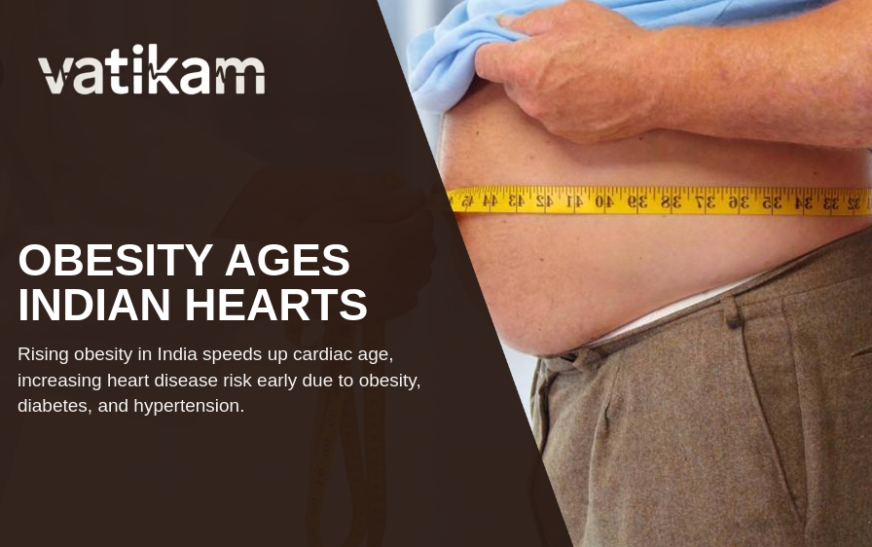
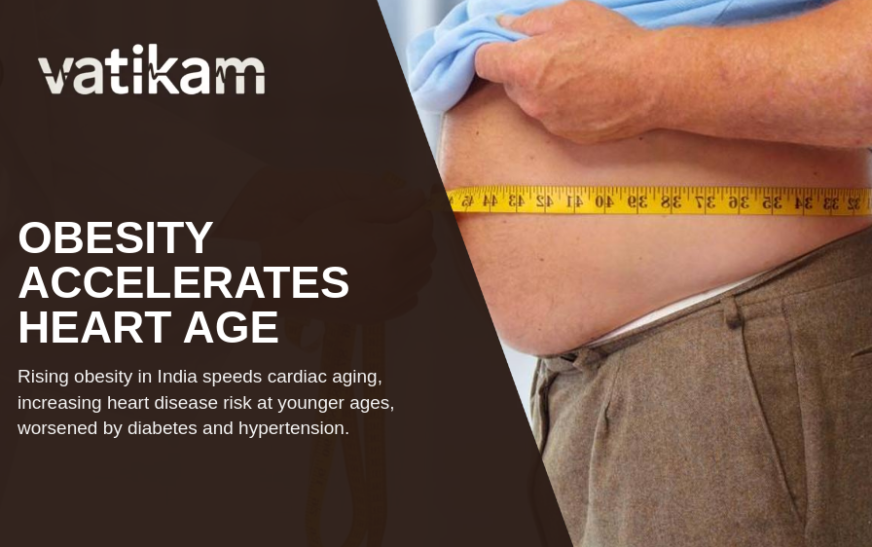
India is witnessing a concerning rise in obesity levels, a trend that experts warn is making hearts age faster than the actual chronological age of individuals. This alarming scenario is contributing to an increased risk of cardiovascular diseases at a much younger age than previously expected. Understanding the relationship between obesity, cardiac age, and heart health is crucial for prevention and early intervention.
Understanding Cardiac Age and Its Importance
Cardiac age is a concept used by doctors to communicate cardiovascular risk in a more understandable way. Unlike chronological age, which counts the number of years a person has lived, cardiac age reflects the biological condition of the heart and blood vessels based on various health factors.
For example, a 35-year-old with obesity, diabetes, high blood pressure, and a sedentary lifestyle could have a cardiac age similar to someone much older. This means their risk of developing heart disease, stroke, or other complications is significantly higher despite their younger actual age.
Rising Obesity Trends in India
The National Family Health Survey-6 (NFHS-6) highlighted a sharp increase in overweight and obesity among Indian adults:
- 30.7% of women aged 15-49 years were overweight or obese in 2023-24, up from 24% in the previous survey (2019-21).
- Men’s obesity rose from 22.9% to 27.3% in the same period.
Such trends, combined with growing incidences of diabetes and hypertension, are contributing significantly to the burden of heart disease across the country.
How Obesity Accelerates Cardiac Aging
Obesity, especially abdominal or visceral fat, triggers a series of biological processes that harm cardiovascular health:
- Chronic inflammation: Excess fat around the abdomen causes continuous inflammation inside the body.
- Increased blood pressure: Body fat elevates pressure on blood vessels, worsening heart health.
- Cholesterol and insulin resistance: Abdominal fat worsens cholesterol levels and increases insulin resistance, raising diabetes risk.
- Extra workload on the heart: The heart has to pump harder, leading to faster wear and tear.
Unlike subcutaneous fat, visceral fat surrounds vital organs like the liver, pancreas, and blood vessels, acting like an endocrine organ that produces harmful signals. This type of fat often goes unnoticed because it does not always affect overall body weight visibly but increases cardiovascular risk significantly, especially in Indians.
Metabolic Health Beyond Body Weight
Doctors emphasize that metabolic health is as critical as body weight. Metabolic disorders such as diabetes, hypertension, and abnormal lipid profiles often develop alongside obesity, further compounding the risk of heart disease.
Hence, an individual who appears thin might still have a ‘hidden’ older heart due to internal fat deposits and metabolic imbalances.
Technological Advances in Measuring Cardiac Age
AI and advanced healthcare technologies now help estimate cardiac age more accurately by analyzing multiple physiological parameters such as blood pressure, heart rate, ECG findings, blood sugar control, and physical activity levels.
Platforms like iLive use sensors and wristbands to monitor these metrics in real-time, allowing customized health assessments and interventions.
Preventing and Reversing Early Cardiac Aging
The good news is that accelerated cardiac aging due to obesity is largely preventable and, in many cases, reversible. Key lifestyle changes can help maintain a younger, healthier heart:
- Regular physical exercise tailored to enhance cardiovascular fitness.
- Adopting a healthy diet focusing on whole foods and avoiding ultra-processed items and sugary drinks.
- Ensuring adequate sleep of 7-8 hours per night helps repair and rejuvenate the cardiovascular system.
- Managing stress and quitting smoking to reduce risk factors.
- Timely medical evaluation and control of blood pressure, blood sugar, and cholesterol.
By investing in these lifestyle adjustments today, individuals can reduce their cardiac age and decrease the likelihood of early onset heart disease.
Conclusion
India’s rising obesity epidemic is a serious public health challenge that accelerates cardiovascular aging, raising heart disease risk among younger populations. Understanding cardiac age, focusing on metabolic health, and embracing healthy lifestyle habits are crucial strategies to combat this trend. Early awareness and proactive management can help ensure healthier hearts and longer lives for millions of Indians.