
Best Gastroenterology Hospitals for Expert Digestive Health Care
Digestive health is crucial to overall well-being. When your digestive system functions properly, you often take it for granted. However, persistent symptoms like bloating, heartburn, or abdominal discomfort can greatly impact your quality of life. Gastrointestinal (GI) disorders can be complex and require specialized care for accurate diagnosis and effective treatment. Specialized gastroenterology hospitals are designed to address the complexities of digestive health, providing expert care for conditions affecting the entire digestive tract and associated organs.
Why Choose Specialized Gastroenterology Hospitals?
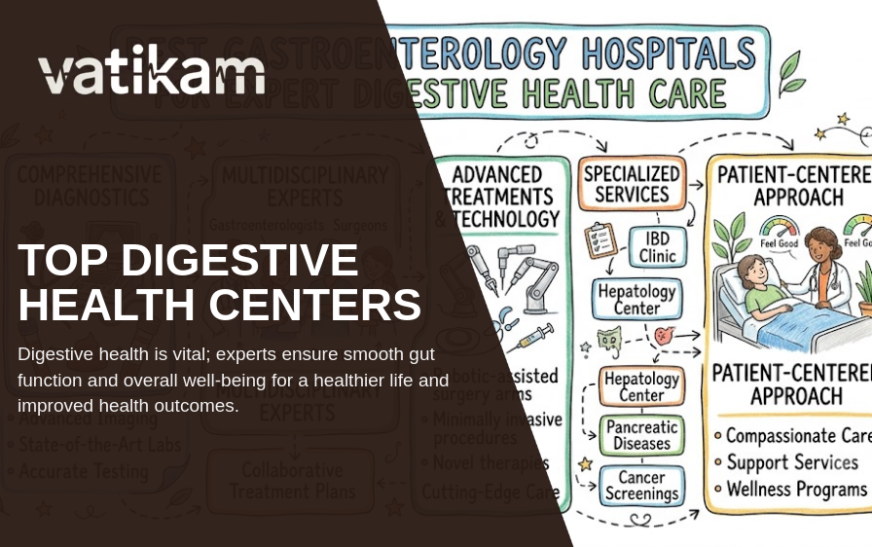
Choosing the right hospital is a critical decision in managing your digestive health. Top gastroenterology hospitals combine experienced, board-certified specialists with advanced diagnostic technologies and a patient-centered multidisciplinary approach. These facilities excel in providing evidence-based treatments for complex digestive disorders such as inflammatory bowel disease (IBD), liver diseases, and colorectal conditions.
Specialized hospitals offer more than general care—they provide focused treatments, clinical trials, nutritional counseling, and continuous follow-up to ensure better health outcomes.
Understanding Digestive Health
The Digestive System and Its Importance
The digestive system includes the mouth, esophagus, stomach, small and large intestines, rectum, anus, and supporting organs like the liver, gallbladder, and pancreas. It breaks down food into essential nutrients used for energy, growth, and cell repair.
Often called the “second brain,” the digestive system influences immune function, mood, and energy levels. Maintaining digestive health supports nutrient absorption and waste elimination, helping prevent systemic inflammation and promoting overall health.
Common Digestive Disorders and Warning Signs
Many people suffer from conditions such as gastroesophageal reflux disease (GERD), irritable bowel syndrome (IBS), IBD, diverticulitis, and gastrointestinal cancers. Symptoms like persistent abdominal pain, unexplained weight loss, changes in bowel habits, blood in stool, and chronic heartburn require timely medical evaluation.
Early diagnosis is vital to prevent progression to chronic disease. Specialized gastroenterology hospitals have the expertise and technology to identify underlying causes quickly and accurately.
Services Offered by Gastroenterology Hospitals
A dedicated gastroenterology hospital or specialized center within a larger hospital focuses exclusively on digestive health. These facilities are staffed by gastroenterologists, hepatologists, GI surgeons, and specialized nurses trained to deliver advanced care.
- Routine screenings like colonoscopies
- Advanced diagnostic procedures including endoscopy, capsule endoscopy, and endoscopic ultrasound (EUS)
- Complex treatments such as ERCP and liver biopsies
- Multidisciplinary care involving radiologists, pathologists, nutritionists, and surgeons
Specialized hospitals utilize state-of-the-art equipment like high-resolution imaging (MRI, CT scans) and often incorporate AI-assisted diagnostics to enhance accuracy.
Advantages of Specialized Gastroenterology Hospitals
- Expertise: Doctors focus exclusively on digestive diseases, offering in-depth knowledge of complex conditions.
- Advanced Technology: Facilities are equipped with the latest diagnostic and therapeutic tools.
- Personalized Treatment: Treatment plans are tailored based on genetics, history, and specific symptoms.
- Improved Outcomes: Structured long-term follow-up reduces hospitalizations and improves quality of life for chronic patients.
- Comprehensive Care: Nutritional support, psychological counseling, and continued monitoring are integrated in care plans.
Common Conditions Treated
| Condition | Key Focus of Care |
|---|---|
| GERD | Acid suppression and lifestyle adjustments |
| IBS | Symptom management and dietary intervention |
| IBD | Long-term medication and monitoring |
| Liver Disease | Hepatology support and specialized imaging |
| Gallstones | Minimally invasive removal procedures |
| Colon Polyps | Preventive screening and removal |
Diagnostic and Treatment Procedures
Key Diagnostic Procedures
- Upper GI Endoscopy: Visualizes esophagus, stomach, and small intestine through a camera passed via the mouth.
- Colonoscopy: Inspects the colon via camera through the rectum, vital for colorectal cancer screening.
- Biopsies: Tissue samples taken during endoscopy for lab analysis to detect infection or malignancy.
- Imaging Studies: Include X-rays, MRI, and CT scans specialized for GI structures.
- Liver Function Tests: Blood tests and ultrasounds to assess liver health in chronic liver diseases.
Treatment Options
- Medication Management: Acid reducers, biologics, and other pharmaceuticals tailored to the condition.
- Nutritional Counseling: Customized diet plans to manage symptoms effectively.
- Endoscopic Treatments: Minimally invasive procedures for polyp removal, bleeding control, or obstruction clearance.
- Minimally Invasive Surgery: Advanced techniques for faster recovery and fewer complications.
- Surgical Referrals: Expert GI surgeons available for complex surgical care.
- Long-Term Disease Management: Regular follow-up with adjustments in therapy to maintain remission.
Preparing for Your Gastroenterology Appointment
- Prepare your medical history including past surgeries and allergies.
- Keep a symptom diary, noting triggers and patterns for at least two weeks.
- List your current medications, supplements, and herbal remedies.
- Prepare questions to discuss your concerns and treatment expectations.
- Understand any fasting or preparation required before tests or procedures.
Choosing the Right Gastroenterology Hospital
When selecting a facility, consider the following factors:
- Specialist Credentials: Board-certified gastroenterologists with experience in your specific issues.
- Technology: Modern diagnostic and treatment equipment availability.
- Emergency Support: 24/7 availability for urgent GI issues.
- Patient Reviews: Positive feedback regarding care quality and hospital environment.
- Accessibility: Convenient location and scheduling options.
- Comprehensive Follow-Up: Programs that support long-term patient health.
Costs and Financial Considerations
Understanding your financial responsibility is important when planning treatment at gastroenterology hospitals. Ensure you verify consultation fees, diagnostic testing costs, and procedure charges in advance. Confirm insurance coverage and pre-authorization requirements. Many hospitals offer payment plans or financial counseling for managing out-of-pocket expenses.
The Future of Digestive Healthcare
- AI Integration: Enhanced diagnostic accuracy and speed through artificial intelligence.
- Precision Medicine: Tailored treatments based on genetic testing.
- Improved Endoscopic Technology: Smaller, more comfortable scopes for better patient experience.
- Remote Monitoring: Wearables and telehealth for continuous digestive health tracking.
- Personalized Care Plans: Integrating microbiome analysis with traditional treatments.
Key Takeaways
- Opt for specialized gastroenterology hospitals for complex digestive conditions.
- Early symptoms such as blood in stool or unexplained weight loss require immediate evaluation.
- Board-certified specialists and cutting-edge technology are crucial markers of quality care.
- A multidisciplinary approach assures comprehensive long-term health benefits.
- Preparation before appointments enhances diagnosis and treatment effectiveness.
- Digestive health impacts immune function, mood, and overall energy.
- Don’t ignore chronic heartburn—it can lead to serious complications.
- Colonoscopy is the best preventive tool against colorectal cancer.
- Understand your treatment and follow-up care options clearly.
- Plan financially by knowing costs and insurance coverage early.
- The future holds AI-assisted and personalized digestive healthcare advancements.
Frequently Asked Questions (FAQ)
1. What is the primary difference between a general doctor and a gastroenterologist?
A general doctor treats a wide range of health issues and can identify common symptoms, whereas a gastroenterologist specializes in the digestive system and performs advanced diagnostic procedures like endoscopies and colonoscopies.
2. When should I consider visiting a specialized GI hospital?
Seek specialized care if you experience persistent digestive symptoms, have a chronic GI condition like Crohn’s disease, or require advanced testing recommended by your primary doctor.
3. Is a colonoscopy painful?
Colonoscopy is usually done under sedation, so patients typically do not feel pain during the procedure. Mild discomfort or bloating after the procedure is common and temporary.
4. How often should I get a colonoscopy?
Screening generally starts at age 45 but may begin earlier based on family history or previous findings. Your doctor will recommend the appropriate schedule.
5. What is the benefit of an endoscopic ultrasound?
Endoscopic ultrasound provides detailed images beyond the digestive tract lining, aiding in diagnosing complex diseases and staging cancers involving nearby organs.
6. Can diet alone cure digestive disorders?
While diet is essential for symptom management, it rarely cures structural or autoimmune GI diseases. A combination of medical treatment and nutritional support is usually necessary.
7. How do I verify if a gastroenterology hospital is reputable?
Check for board-certified specialists, advanced equipment, positive patient testimonials, and affiliations with recognized medical organizations.
8. What is the role of a hepatologist?
A hepatologist specializes in liver, gallbladder, bile ducts, and pancreas conditions. They are best suited to manage diseases like hepatitis and fatty liver disease.
9. Are there risks with endoscopic procedures?
Endoscopic procedures are safe but carry minor risks such as sedation reactions, bleeding, or perforation, which your doctor will discuss based on your health status.
10. What if my insurance doesn’t cover a GI procedure?
Consult the hospital billing department for payment options or assistance with insurance appeals, including documentation of medical necessity.
Conclusion
Digestive health can be complex, but specialized gastroenterology hospitals offer the expertise, technology, and comprehensive care necessary for effective management. Prioritizing these specialized centers ensures you receive personalized and advanced treatment, improving your chances for better health outcomes. Don’t let digestive symptoms control your quality of life—seek expert care, ask questions, and stay informed.