
The Silent Struggle: Impact of Diabetes and Insulin Resistance on Intimacy in India
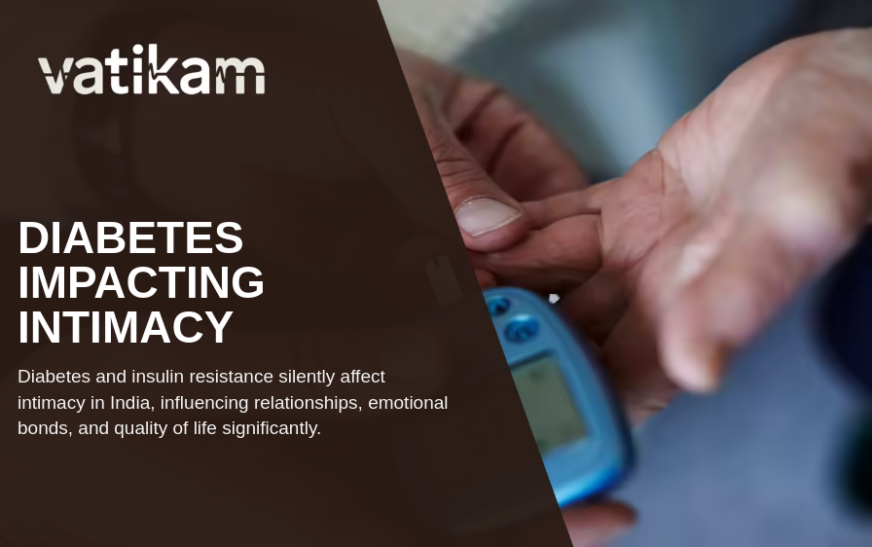
India currently faces a significant health challenge, with over 89 million adults living with diabetes—a number expected to climb in the coming years. Equally alarming is the rise of insulin resistance and prediabetes, especially among younger populations such as busy professionals, new parents, and adolescents. Triggered by sedentary lifestyles, high stress, sugary diets, and insufficient sleep, these conditions are silently affecting more than just physical health; they are deeply impacting intimacy and sexual well-being across the country.
Understanding the Link Between Diabetes, Insulin Resistance, and Sexual Health
Insulin is a hormone that facilitates the body’s use of sugar for energy. In cases of insulin resistance, cells become less responsive to insulin, leading to elevated blood sugar levels. This persistent high sugar causes inflammation and damages small blood vessels and nerves throughout the body, including those vital for sexual function.
According to Dr. Paras Agarwal, Clinical Director & Head of Diabetes, Obesity & Metabolic Disorders at Marengo Asia Hospitals, uncontrolled diabetes results in neuropathy—or nerve damage—that can reduce sensation and lead to sexual health complications such as erectile dysfunction (ED) in men.
Early Warning Signs in Men
Studies reveal that nearly 50% of men with diabetes experience sexual dysfunction, with erectile dysfunction being one of the earliest and often overlooked indicators. Difficulty achieving or maintaining an erection, or the absence of morning erections, can signal underlying damage to blood vessels and nerves caused by high blood sugar levels.
Dr. Sanjay Prakash, Clinical Lead – Andrology and Urologist at AINU Hospital, highlights a troubling trend: younger men are increasingly diagnosed with diabetes and insulin resistance due to lifestyle factors like inactivity, obesity, poor sleep, and stress. Nearly 20% of Indian men under 40 are living with diabetes, and many young adults may already have prediabetes or early metabolic dysfunction.
Insulin resistance also impairs blood flow by causing endothelial dysfunction, further exacerbating sexual health issues. The disappearance of morning erections is often ignored or attributed solely to stress, but recognizing this early sign can help with timely intervention and management.
Challenges Facing Women
Women with diabetes frequently face vaginal dryness, painful intercourse, recurrent urinary tract infections (UTIs), yeast infections, low libido, and challenges in reaching orgasm. Elevated blood sugar promotes fungal and bacterial growth, contributing to discomfort during intimacy. More than half of women with diabetes experience these sexual health concerns, but social stigma in India often silences these conversations.
Hormonal changes caused by insulin resistance can lower sexual desire further. The emotional impact includes feelings of reduced attractiveness and emotional disconnection from partners, which increase anxiety and diminish self-esteem.
The Cultural Barrier and Its Impact
In India, candid discussions about sexual health remain taboo, resulting in many sufferers not seeking professional help. Men may attempt unverified remedies, while women often endure symptoms silently. As Dr. Prakash points out, some patients resort to online AI chatbots for guidance, but these lack personalized care and accountability.
Sexual medicine requires individualized treatment plans, and addressing sexual health should be integrated as an essential part of diabetes management rather than as an afterthought.
The Mental Health Ripple Effect
Sexual dysfunction linked to diabetes doesn’t just affect the bedroom; it significantly impacts mental well-being. Anxiety, depression, and low self-confidence often create a vicious cycle, where worsening symptoms degrade mental health, which then further affects sexual desire and intimacy.
For couples, intimacy is a crucial emotional bond. When sexual health deteriorates, emotional distance often grows. Fortunately, with proper management, most of these issues are reversible, especially if detected early.
Managing Diabetes-Related Sexual Health Issues
- Maintain blood sugar control: Keeping glucose levels within recommended targets is foundational.
- Lifestyle modifications: Engage in regular physical activity, such as 30-minute daily walks, consume balanced home-cooked meals low in processed sugars, maintain healthy weight, optimize sleep, and reduce stress through yoga or meditation.
- Seek medical advice: Consult healthcare professionals including endocrinologists, urologists, or andrologists for personalized diagnosis and treatments ranging from oral medications to advanced therapies.
- Open communication: Initiate honest discussions with healthcare providers and partners to break societal silence and strengthen relationships.
- Holistic care: Address insulin resistance through diet and exercise to improve hormone balance and blood flow naturally.
Dr. Prakash emphasizes that sexual health is a vital indicator of vascular, hormonal, and psychological status, and early diagnosis through sexual symptoms might even help prevent more serious complications, such as heart attacks.
Conclusion
As India grapples with an escalating diabetes epidemic, recognizing the profound effect of diabetes and insulin resistance on intimacy is critical. By fostering openness, improving lifestyle habits, and accessing proper medical care, individuals can manage these challenges and preserve both their physical and emotional well-being. Sexual health should be an integral part of diabetes care, providing insight not only into quality of life but also broader health conditions.
Expert Contributors: Dr. Sanjay Prakash, Clinical Lead – Andrology at AINU Hospital, Chennai; Dr. Paras Agarwal, Clinical Director & Head of Diabetes, Obesity & Metabolic Disorders at Marengo Asia Hospitals, Gurugram.