
Rethinking India’s Dinner Plates: Balancing Rice, Roti, and Rising Diabetes Risks
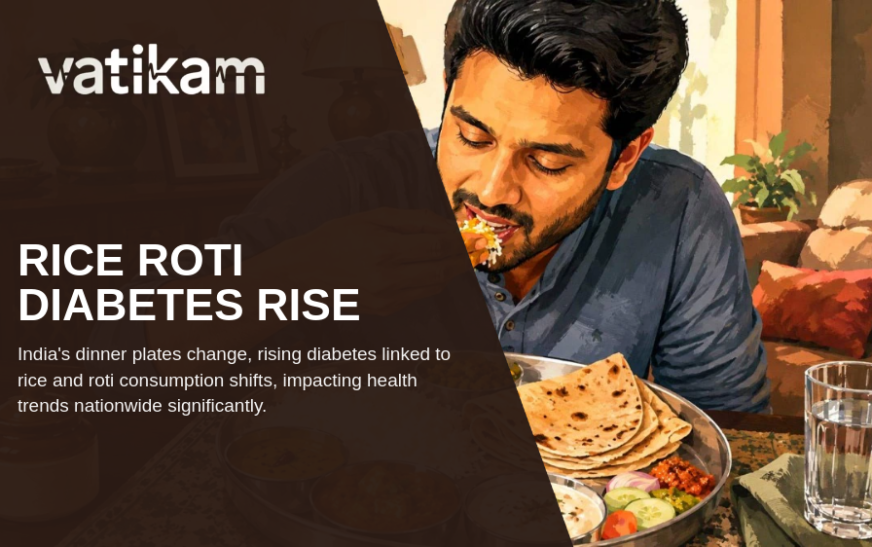
Rice and roti have long been the cornerstone of Indian cuisine, deeply embedded in cultural and regional traditions. For millions across India, a meal feels incomplete without these staples, whether during a comforting lunch at home, festive celebrations, or dining out. However, with India grappling with rising rates of diabetes, obesity, and heart disease, nutrition experts suggest it is time to reconsider how these staples fit into our meals.
The Cultural Roots of Rice and Roti
India’s agricultural diversity shaped its culinary landscape. Southern and eastern states are predominantly rice-growing regions, while the north and west have traditionally cultivated wheat, giving rise to rotis. As urbanization and migration increased, these distinct regional eating habits blended, often resulting in meals that include both rice and roti on the same plate.
This combination symbolizes not just dietary preferences but also tradition, comfort, and family connections. It’s commonly seen in households, offices, weddings, and special occasions.
Understanding the Health Concern: Excessive Carbohydrates
Health professionals emphasize that rice and roti themselves are not unhealthy. The real issue lies in meal composition—especially the dominance of carbohydrates and insufficient protein, fiber, and healthy fats.
Many Indian meals combine multiple carbohydrate sources such as rice, roti, and potatoes. Often, these carb-rich foods crowd out essential components like vegetables and protein-rich foods such as lentils, paneer, eggs, fish, and chicken. Additionally, sugary drinks and desserts often accompany these meals, increasing the overall carbohydrate load.
Such imbalances can lead to impaired blood sugar control, increased hunger, and long-term risks including obesity, diabetes, cardiovascular diseases, and hypertension. India, often called the diabetes capital of the world, faces a growing health crisis partly linked to dietary patterns.
Impact of Modern Lifestyles
Rapid economic development has brought changes in eating habits and lifestyles. Sedentary routines and convenient, processed foods have replaced some traditional diets that were balanced with more physical activity. Excess consumption of refined carbohydrates can cause blood sugar spikes and increased appetite, exacerbating health concerns.
Should You Stop Eating Rice or Roti?
The short answer is no. Nutrition experts agree that neither rice nor roti should be singled out as problematic. Both are valuable sources of energy and nutrients when consumed mindfully and in appropriate portions. Rice is easy to digest and provides quick energy, while whole wheat rotis offer fiber and vital nutrients.
The key is moderation and ensuring meals contain a balanced proportion of protein, fiber, and healthy fats alongside carbohydrates.
How to Build a Balanced Indian Plate
Experts recommend a simple approach to restore balance and promote better health:
- Fill half the plate with a variety of vegetables and salads to increase fiber intake and essential micronutrients.
- Reserve one-quarter of the plate for protein sources such as dal, paneer, eggs, fish, chicken, or curd, which help with satiety and blood sugar regulation.
- Allocate the remaining quarter for carbohydrates like rice or roti, avoiding large portions of both together.
- Limit sugary beverages and desserts, which add empty calories and promote blood sugar spikes.
- Include moderate amounts of healthy fats from nuts, seeds, and traditional cooking oils to support overall nutrition.
This balanced plate model enhances satiety, supports stable blood sugar levels, and reduces the risk of overeating and lifestyle-related diseases.
Focusing on Balance, Not Restriction
Food is deeply intertwined with culture, emotions, and social traditions. Completely cutting out staple foods like rice and roti is neither practical nor necessary. Instead, fostering awareness about mindful eating and balanced meals is essential for better health outcomes.
The beloved rice-roti combination can continue to play a central role in Indian cuisine. The challenge is to enjoy these staples with moderation and give equal importance to proteins, vegetables, and wholesome fats.
As senior dietitian Divya Jain explains, “The goal is not to create restrictions but to maintain balance.” For long-term health, that balance might just be the most important ingredient on the plate.