
Precision Medicine: Revolutionizing India’s Healthcare Future
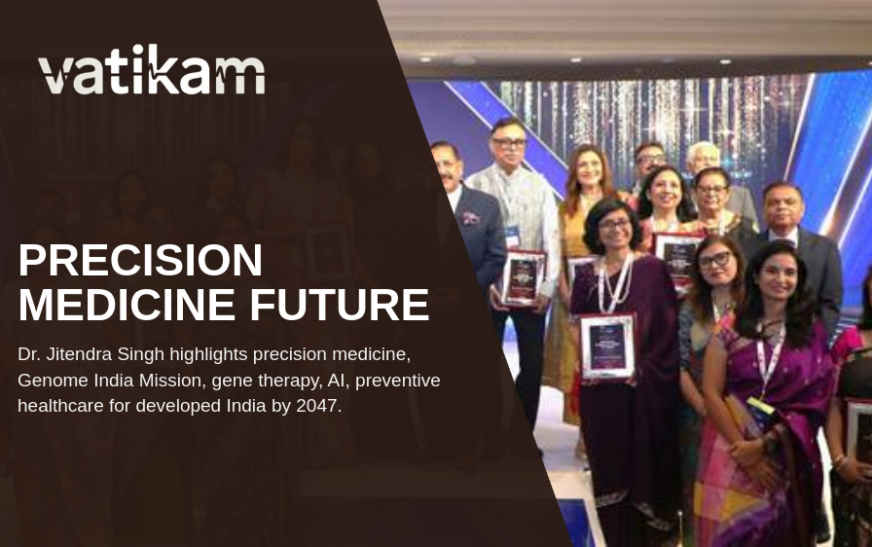
On the occasion of National Doctors’ Day, Union Minister of State (Independent Charge) for Science and Technology, Dr. Jitendra Singh, highlighted the transformative impact of precision medicine on the future of healthcare in India. With advancements in genomics, artificial intelligence (AI), gene therapy, and biotechnology, India is positioning itself as a global hub for affordable, personalized medical innovation.
What Is Precision Medicine?
Precision medicine is a medical approach that tailors treatment and healthcare strategies to the individual characteristics of each patient. Leveraging genetic profiles, lifestyle factors, and environmental influences, it moves away from one-size-fits-all treatments to highly personalized interventions. This approach promises more effective treatments, fewer side effects, and improved patient outcomes.
India’s Unique Advantage in Precision Medicine
Dr. Jitendra Singh emphasized India’s vast genetic diversity and expanding scientific ecosystem as unique strengths. These assets provide the foundation for developing indigenous healthcare solutions that can address both domestic challenges and global health issues.
- Genome India Mission: A flagship initiative that has sequenced over 10,000 genomes, creating an invaluable genetic database. This mission accelerates research into rare diseases, genetic disorders, and targeted therapies.
- Indigenous Innovations: India is making significant breakthroughs in gene therapy, including indigenous treatments for haemophilia, as well as advances in nuclear medicine and biotechnology.
- Artificial Intelligence: AI is revolutionizing disease diagnosis, biomedical research, medical education, telemedicine, and clinical decision-making. It is also improving access to specialist care in remote areas.
- Drug Development: The country is shifting from mass-producing foreign-discovered medicines to pioneering new drugs through indigenous research, a milestone exemplified by India’s first homegrown antibiotics targeting drug-resistant infections.
Preventive Healthcare: A Pillar for a Viksit Bharat 2047
Dr. Singh highlighted the critical importance of preventive healthcare in addressing the growing burden of non-communicable diseases, such as diabetes, cancer, and fatty liver disease, especially among younger populations. Early screening and timely intervention are essential components of this strategy.
Through combined efforts in science, research, and collaborations among the government, academia, and industry, India aims to become a global leader in next-generation healthcare technologies. This vision aligns with the broader goal of achieving a developed, or Viksit Bharat, by 2047.
Conclusion
India’s commitment to precision medicine through genomics, AI, biotechnology, and indigenous innovation is set to reshape the future of healthcare. By focusing on personalized treatments and preventive care, the country is not only improving health outcomes domestically but also paving the way for global leadership in affordable, patient-centric medical advancements.
The ongoing advancements and concerted efforts reflect a promising future where healthcare is more precise, accessible, and effective for all.