
Global Report Warns: The World is Less Prepared for the Next Pandemic Despite COVID-19 Lessons
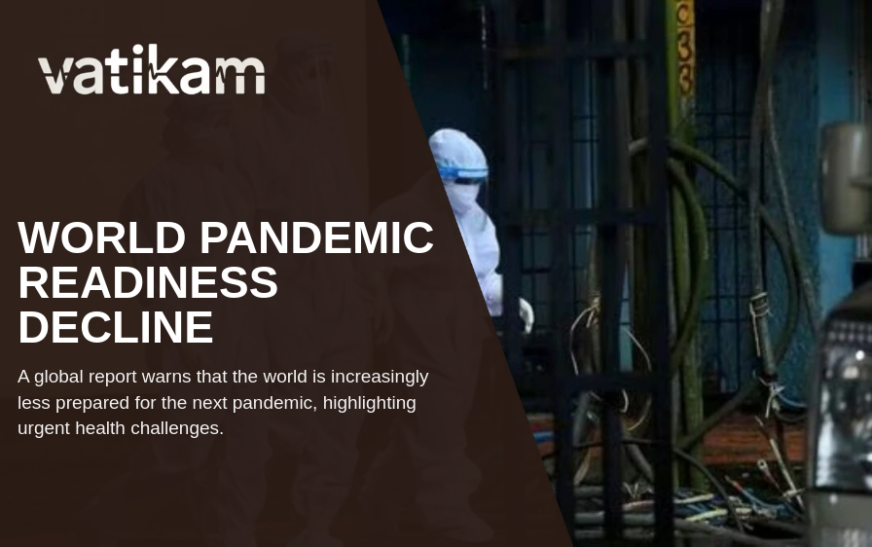
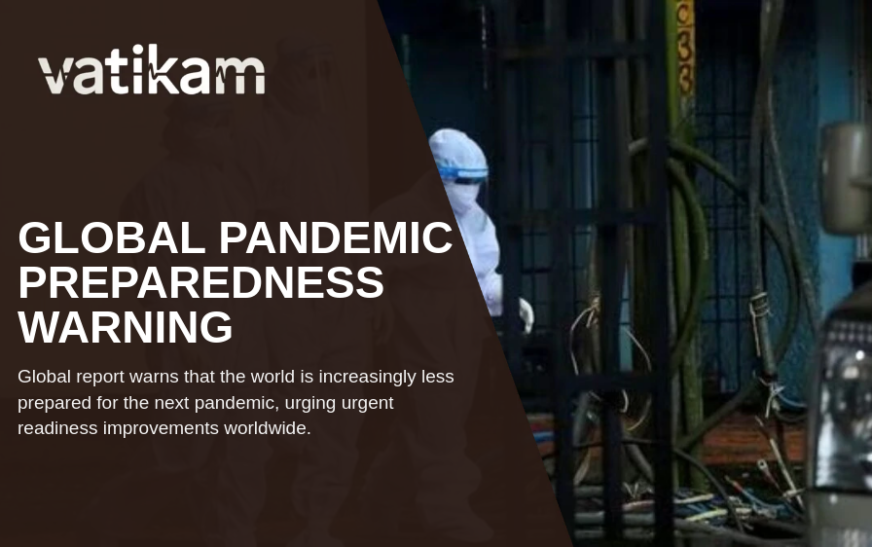
As the world continues to face recurring infectious disease threats, including a new Ebola outbreak in Central Africa and other diseases like hantavirus and avian influenza, a critical report from the Global Preparedness Monitoring Board (GPMB) highlights a concerning reality. Despite the global lessons learned from COVID-19, the world is becoming increasingly vulnerable to future pandemics. This report, backed by the World Health Organization (WHO) and the World Bank, reveals that pandemic preparedness efforts have not kept pace with the escalating risks.
The Growing Global Health Threat
The GPMB’s report titled A World on the Edge: Priorities for a Pandemic-Resilient Future, released alongside the 79th World Health Assembly, paints a sobering picture. Infectious disease outbreaks are not only more frequent but are causing greater damage, while governments and healthcare systems are less able to recover than a decade ago. The report underscores several factors contributing to this heightened risk, including geopolitical tensions, climate change-related ecological disruption, increased global mobility, and dwindling international development funding.
Recent Public Health Emergencies
- The 2014-2016 and 2019-2020 Ebola outbreaks in West Africa
- The unprecedented COVID-19 pandemic
- The mpox outbreak with severely delayed vaccine access in poorer countries
These events demonstrate that while new systems have been developed post-COVID-19, global response remains uneven and deeply unequal.
Challenges in Equitable Access and Trust
One critical failure highlighted by the report is the delayed access to vaccines and essential medicines in low-income countries. For example, mpox vaccines reached these populations almost two years after the outbreak began—slower than the COVID-19 vaccine rollout, which took approximately 17 months for widespread availability in poorer regions. This disparity signals a troubling backward slide in global health equity.
Moreover, disease outbreaks today are increasingly undermining democratic institutions and public trust. Both Ebola and COVID-19 outbreaks sparked political polarization, attacks on scientific institutions, and widespread misinformation—problems that linger long after the immediate health crisis passes.
Significance for India
India’s experience during the COVID-19 pandemic positions it uniquely within this global health landscape. With one of the world’s largest COVID-19 outbreaks, the country remains vulnerable due to its dense population, rapid urbanization, and extensive internal migration. Public health experts emphasize the urgent need to strengthen disease surveillance, improve rural healthcare infrastructure, and develop emergency financing mechanisms to better prepare for future pandemics.
Addressing Pandemic Preparedness: Political and Economic Dimensions
The report stresses that pandemic preparedness is no longer purely a health issue but a complex political and economic challenge. The world today is more divided, more indebted, and less able to protect vulnerable populations compared to the COVID-19 period.
As GPMB co-chair Kolinda Grabar-Kitarovi explains, “The world does not lack solutions. But without trust and equity, those solutions will not reach the people who need them most.” This highlights the vital role of governance, social cohesion, and fairness in effective pandemic response.
The Role of Technology and Global Cooperation
Emerging technologies like artificial intelligence (AI) hold promise for improving disease surveillance and early warning systems. However, the report cautions that weak governance frameworks and unequal technological access might exacerbate health inequalities and endanger global health security further.
GPMB co-chair Joy Phumaphi warns that deteriorating global cooperation could leave all nations exposed to pandemic risks: “Preparedness is not only a technical challenge – it is a test of political leadership.”
Key Recommendations for Governments
The report outlines three urgent priorities to bolster global pandemic preparedness:
- Establish a permanent independent global mechanism for ongoing monitoring of pandemic risks.
- Finalize the WHO Pandemic Agreement to ensure fair and equitable access to vaccines, diagnostics, and treatments worldwide.
- Increase financing dedicated to preparedness and rapid emergency response capabilities.
These measures aim to create a more resilient global health infrastructure capable of responding swiftly and equitably to future outbreaks.
Conclusion
The Global Preparedness Monitoring Board’s report serves as a crucial call to action amidst rising health threats worldwide. Despite progress made during the COVID-19 crisis, the world’s pandemic defenses have weakened in many aspects. Addressing inequities, strengthening trust, enhancing political commitment, and leveraging technology responsibly are essential to prepare for the next inevitable pandemic. Only through unified global efforts and sustained investment can we hope to safeguard public health and security in the coming years.