
Seoul National University Hospital and Harvard Develop Virtual Hospital Simulator for Dynamic AI Testing
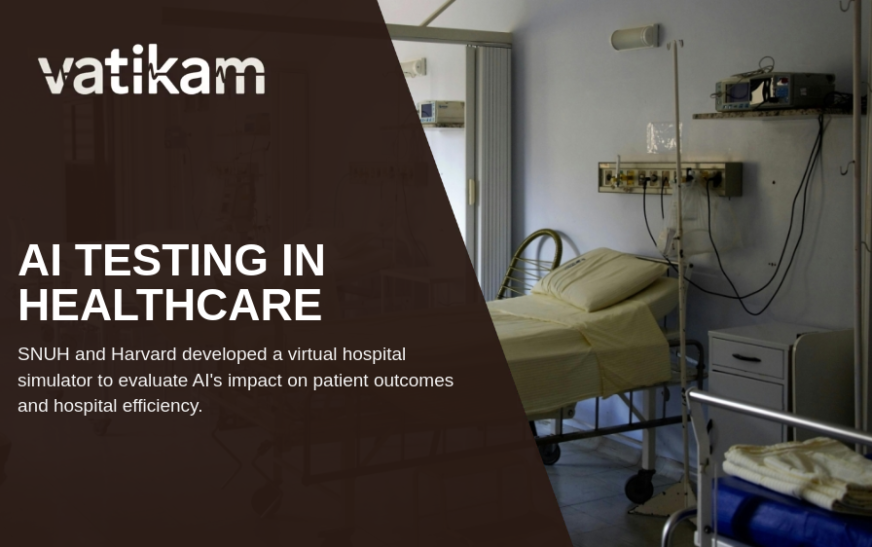
In an innovative leap forward for healthcare technology, Seoul National University Hospital (SNUH) in collaboration with Harvard Medical School has unveiled a cutting-edge virtual hospital simulator designed to evaluate medical artificial intelligence (AI) within dynamic clinical environments. This solution aims to replace traditional static AI testing methods with a robust and realistic preclinical model that reflects real-time hospital operations and patient care processes.
From Static to Dynamic: A New Paradigm in Medical AI Evaluation
Unlike previous evaluation techniques that focused primarily on static, diagnosis-based assessments, this new Clinical Environment Simulator advances a dynamic evaluation approach. It replicates the complexity of real hospital workflows and patient care, allowing researchers and clinicians to assess the impact of AI technologies not only on patient outcomes but also on overall hospital operational efficiency before integrating them into actual healthcare settings.
How the Simulator Works: Patient and Hospital Engines
The virtual simulation consists of two core components: the Patient Engine and the Hospital Engine, each playing a critical role in mimicking real-world scenarios.
- Patient Engine: This engine simulates the evolution of patient conditions over time utilizing large language models. It leverages disease trajectory templates created by medical specialists and initial electronic medical record data. By modeling potential pathways of symptom progression and treatment responses, it provides realistic patient condition scenarios.
- Hospital Engine: Responsible for simulating hospital workflows, this engine uses operational time data to manage resources such as beds, staff, and medical equipment. It prioritizes critical cases and allocates resources according to task durations, accurately reflecting real hospital prioritizations and constraints.
Comprehensive Impact Assessment: Dual Metrics for Outcomes and Efficiency
The simulator evaluates the effect of AI-driven clinical decisions using a dual-metric composite scoring system that encompasses two key areas:
- Patient Outcomes: Measures such as patient survival, treatment timing, and adherence to clinical guidelines are monitored to ensure the AI improves prognosis without unintended negative effects.
- Hospital Operational Efficiency: Metrics like patient length of stay, emergency department throughput, and utilization rates of hospital beds and equipment are carefully analyzed to understand how AI integration affects overall hospital functionality.
Stress Testing and Real-World Scenario Simulations
The developers have also embedded stress testing capabilities within the simulator. It can simulate adverse conditions such as network failures or simultaneous emergency cases, testing how AI recommendations and hospital workflows perform under constrained and high-pressure scenarios. This feature ensures robust AI validation under a wide range of operational challenges.
The Path Forward: Safer and Smarter Medical AI Integration
While acknowledging that the virtual hospital environment cannot fully replicate all complex biological responses of actual patients, the research team led by Professor Seong-Eun Kim of SNUH emphasizes that this simulation system represents a significant advancement. It provides a valuable step toward safer, more effective adoption of medical AI by allowing comprehensive preclinical testing in dynamic, realistic healthcare environments without exposing patients to risk.
Conclusion
The collaboration between Seoul National University Hospital and Harvard Medical School introduces a transformative tool in the evaluation of medical AI systems. By transitioning from static to dynamic assessments within a virtual hospital, this innovative simulator enhances our ability to predict AI impacts on patient health and operational efficiency, paving the way for smarter healthcare innovations and improved patient care.