
Global Preparedness Report Warns: The World is Less Ready for the Next Pandemic
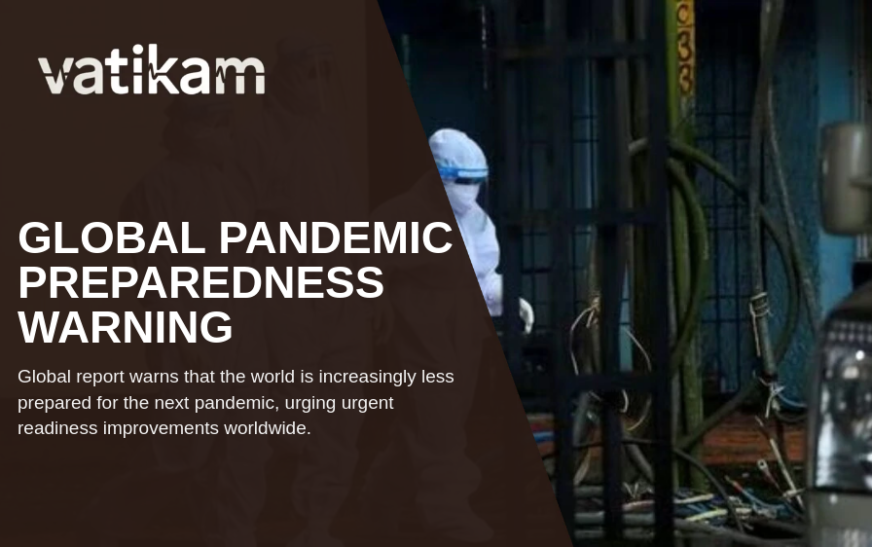
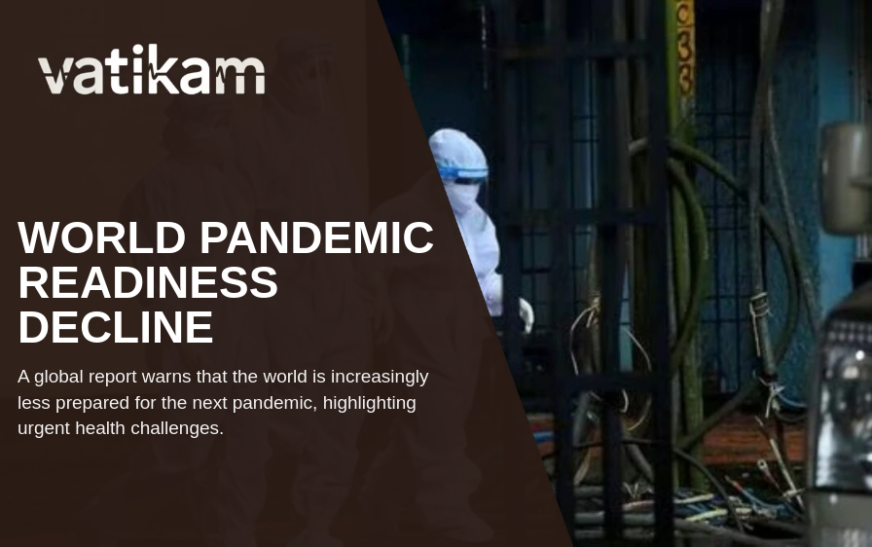
As new infectious diseases like Ebola resurge in parts of Central Africa, and threats such as hantavirus, mpox, and avian influenza continue, the global community faces a stark warning. A 2026 report by the Global Preparedness Monitoring Board (GPMB), supported by the World Health Organization (WHO) and the World Bank, reveals that despite lessons from COVID-19, the world is increasingly vulnerable to future pandemics due to weakening cooperation, funding gaps, and unequal access to healthcare resources.
Increasing Pandemic Threats Amid Declining Global Readiness
The GPMB’s report, titled A World on the Edge: Priorities for a Pandemic-Resilient Future, was released during the 79th World Health Assembly. It highlights that infectious disease outbreaks are both more frequent and destructive now than a decade ago. Yet, governments and health systems globally are less equipped to respond and recover effectively.
The report points to multiple factors fueling these rising risks:
- Geopolitical tensions disrupting international collaboration.
- Climate-driven ecological changes facilitating disease spread.
- Increased global mobility speeding transmission.
- Declining funding for international health development.
Recent public health emergencies, such as the ongoing Ebola outbreak in the Democratic Republic of Congo and Uganda, declared a Public Health Emergency of International Concern (PHEIC) by WHO, underscore these challenges.
Unequal Access to Vaccines and Treatments
One of the most alarming findings is the worsening inequality in access to vaccines and medicines. The rollout of mpox vaccines to low-income countries lagged nearly two years behind the outbreak onset—worse than the already delayed COVID-19 vaccine distribution, which took about 17 months to reach many poorer nations.
The Board emphasizes that access to diagnostics, vaccines, and treatments is moving backward on equity, threatening to deepen health disparities worldwide.
Impact on Political Stability and Public Trust
Beyond health, outbreaks continue to erode democratic institutions and public confidence. Both Ebola and COVID-19 crises triggered political polarization, attacks on scientific institutions, and widespread misinformation campaigns. These societal impacts often linger long after the health emergency is contained, complicating response efforts for future threats.
Implications for India
India, having endured one of the largest COVID-19 outbreaks globally, remains vulnerable to future pandemics. This vulnerability stems from its dense population, rapid urbanization, and extensive internal migration. Public health experts stress the urgent need to enhance disease surveillance, strengthen rural healthcare infrastructure, and establish reliable emergency financing mechanisms.
Trust, Equity, and Political Leadership: Keys to Preparedness
The GPMB warns that the next pandemic could strike a world more divided, indebted, and less prepared than during COVID-19. Preparedness is not just a health issue—it presents critical political and economic challenges.
GPMB co-chair Kolinda Grabar-Kitarovi states, “The world does not lack solutions. But without trust and equity, those solutions will not reach the people who need them most.” Meanwhile, co-chair Joy Phumaphi highlights that worsening global cooperation leaves all countries exposed, asserting, “Preparedness is not only a technical challenge – it is a test of political leadership.”
The Role of Technology and Governance in Future Preparedness
The report also explores how artificial intelligence (AI) and digital technologies could transform pandemic readiness by improving disease surveillance and early warnings. However, weak governance and unequal technology access might exacerbate existing health inequalities and jeopardize global security.
Urgent Recommendations for Global Action
To build a pandemic-resilient future, the GPMB outlines three immediate priorities for governments worldwide:
- Establish a permanent, independent mechanism to monitor pandemic risks globally and ensure accountability.
- Finalize and implement the WHO Pandemic Agreement to guarantee fair and equitable access to vaccines, diagnostics, and therapeutics.
- Increase financing for pandemic preparedness and rapid emergency response systems.
Although the GPMB’s mandate ends in 2026, its findings and recommendations will influence ongoing negotiations at the WHO and United Nations regarding pandemic prevention and response frameworks.
Conclusion
The COVID-19 pandemic underscored the critical importance of global health security and pandemic preparedness. However, this latest report warns that without urgent, equitable, and politically supported action, the world remains dangerously underprepared for the next global health crisis. Cooperation, trust, robust financing, and technology governance must be prioritized to protect communities worldwide.