
Centre’s Initiative to Boost India’s Medical Tourism with Funding for Hospitals and Healthcare Infrastructure
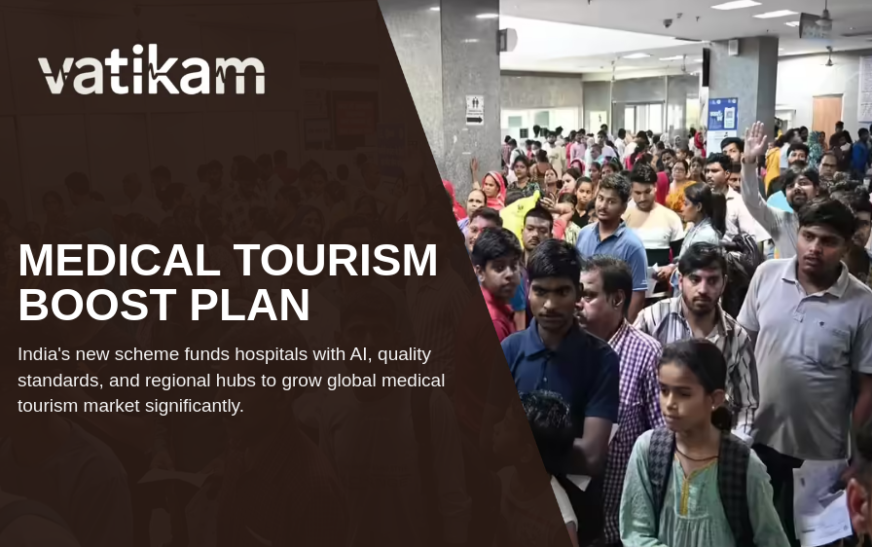
India is rapidly positioning itself as a global powerhouse in the field of medical tourism, driven by a new government scheme designed to enhance the country’s healthcare infrastructure. The initiative aims to provide funding for establishing, expanding, and strengthening hospitals, medical colleges, and related healthcare projects. This strategic move is expected to significantly boost the medical tourism sector, attracting international patients and fostering economic growth.
Government’s Vision for Medical Tourism Growth
With medical tourism projected to reach a market size of $16.2 billion by 2030, up from an estimated $8.7 billion in 2025, the government is crafting a comprehensive framework to realize this potential. The Department of Industrial Policy and Promotion (DPIIT) is actively developing indicative infrastructure planning standards to create “future-ready” hospitals that incorporate cutting-edge technologies.
Technology-Driven Healthcare Infrastructure
The new standards for hospitals will emphasize smart healthcare features, including:
- AI-assisted diagnostics
- Digital pathology
- Telemedicine services
- Interoperable electronic medical records
- Smart healthcare surgery enablement
This integration of artificial intelligence and digital technologies aims to streamline diagnostics, improve patient care, and make healthcare services more accessible and efficient.
Mandatory Quality and Accreditation Standards
To ensure high service quality and international competitiveness, the scheme mandates compliance with clinical quality standards and international accreditation for hospitals seeking funding. This move is designed to elevate patient confidence and align Indian medical services with global best practices.
Establishment of Regional Medical Hubs
Following the fiscal year 2027 budget announcement, the government plans to support the creation of five Regional Medical Hubs in partnership with the private sector. These hubs will serve as integrated healthcare complexes combining:
- Advanced hospitals
- Medical colleges
- Research centers
- Biotech parks
- Wellness facilities
An official description highlights the goal to develop model frameworks for these integrated medical districts, fostering synergy across medical services, education, and research under one roof.
Comprehensive Healthcare Infrastructure Standards
The scheme also outlines detailed standards for healthcare infrastructure encompassing:
- Land utilization
- Bed density
- Intensive care unit capacity
- Trauma and emergency care facilities
- Diagnostic infrastructure
- Modular operation theatres
- Rehabilitation and outpatient services
These standards are essential as the hubs will also accommodate AYUSH centers (traditional medicine), medical tourism facilitation centers, and advanced post-treatment care facilities, ensuring holistic patient care.
Employment and Economic Benefits
Beyond elevating patient experience for both international and domestic visitors, the creation of these hubs is expected to generate diverse employment opportunities for healthcare professionals, including doctors and allied health workers. This will play a significant role in strengthening India’s healthcare ecosystem.
Strategic Marketing and Global Positioning
To successfully position India as a premier medical tourism destination, the government plans to develop a comprehensive marketing framework. This will include:
- Identifying high-yield geographical markets for medical tourism
- Recommending digital promotion strategies
- Establishing international partnership models
These efforts aim to enhance India’s global visibility and attract more medical tourists by showcasing advanced healthcare capabilities.
Conclusion
India’s new government scheme represents an ambitious and forward-thinking step toward transforming the country into a global medical tourism hub. By funding hospitals, medical colleges, and healthcare infrastructure equipped with the latest technology and quality standards, India is set to provide world-class medical services. The establishment of integrated Regional Medical Hubs and a robust marketing strategy will not only improve healthcare outcomes but also substantially boost economic growth and employment in the healthcare sector.
With these initiatives, India is poised to become a preferred destination for medical tourism, offering affordable, high-quality, and advanced healthcare solutions to patients worldwide.