
Cancer Cure Within a Decade: A Realistic Goal According to Pharma Leaders
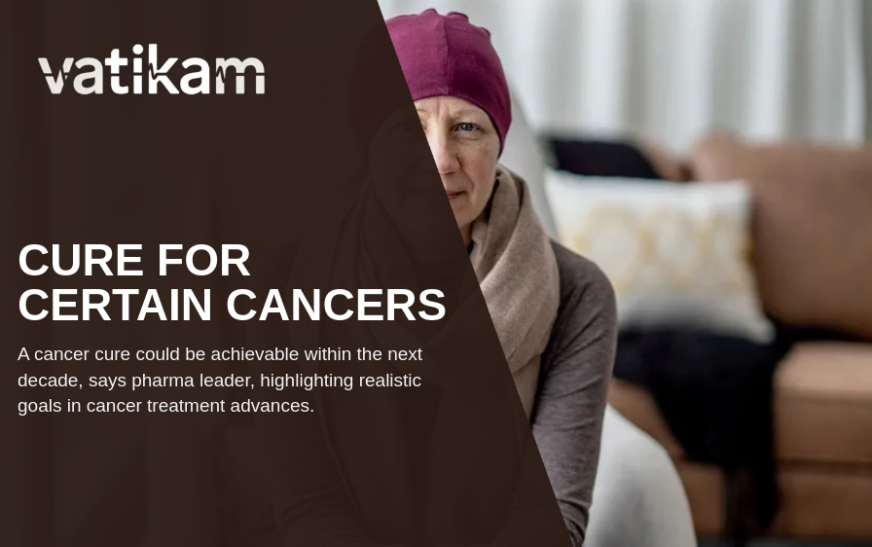
The medical community is on the cusp of groundbreaking advances in cancer treatment, with the hope of curing certain types of cancer becoming a realistic prospect within the next decade. This optimism comes from leaders in the pharmaceutical industry, including Johnson & Johnson Chairman and CEO Joaquin Duato, who shared insights during the WSJ Leadership Institute CEO Summit held in London.
Progress in Cancer Treatment: The Example of Multiple Myeloma
Duato highlighted significant strides made in treating cancers like multiple myeloma, where life expectancy has increased substantially. Once measured in mere years, patients with multiple myeloma now often live for a decade or more, thanks to innovative therapies. A key breakthrough involves treatments that harness the body’s own immune system to fight cancer cells, offering patients better chances for remission.
For instance, patients who previously had no alternatives and were sent to hospice care have experienced remission for more than five years after a single administration of these therapies. This is a remarkable achievement in cancer treatment, reflecting the profound impact of advancing immunotherapy.
Innovative Technologies and Understanding Cancer Biology
Johnson & Johnson is focused on deepening the understanding of cancer biology and developing new technologies to combat cancer growth effectively. Duato emphasized that while curing some cancers is an achievable goal, others may be controlled and managed as chronic conditions.
“It’s realistic to believe that we are going to cure certain cancers, and some others we’re going to turn into chronic diseases,” Duato stated.
The Role of Artificial Intelligence in Cancer Care
Artificial intelligence (AI) is poised to revolutionize cancer treatment. Duato described AI as a “force multiplier” in healthcare, enhancing the ability to develop personalized and targeted therapies. Fox News senior medical analyst Dr. Marc Siegel supports this outlook, predicting that AI will enable more precise targeting of cancer mutations and guide treatments more effectively.
Advancements in AI will also improve early detection and diagnosis by identifying biomarkers and customizing surgical approaches for each patient. These innovations promise to elevate the effectiveness and personalization of cancer care.
Expanding Horizons: Biotechnological Acquisitions and Future Directions
In recent developments, Johnson & Johnson acquired Firefly Bio, a biotech firm specializing in drugs that enter cancer cells to target proteins associated with hard-to-treat gene mutations. This acquisition exemplifies the expanding toolkit available to fight cancer and underlines the pharmaceutical industry’s commitment to innovative solutions.
Beyond cancer, Duato also pointed to dementia as a critical area needing urgent scientific breakthroughs. With life expectancy steadily rising, advancements in longevity and quality of life technologies remain crucial.
Conclusion: Hope on the Horizon
The collective efforts of pharmaceutical companies, enhanced by artificial intelligence and a deeper understanding of cancer biology, paint a hopeful picture for the future. As treatments become more personalized and powerful, curing certain cancers within the next ten years is becoming an attainable goal. Meanwhile, other cancers are likely to be transformed into manageable chronic conditions, offering patients extended and improved lives.
With continuous scientific advancements and innovative therapies, the fight against cancer is moving beyond boundaries, inspiring hope for millions worldwide.