
AI Revolutionizes Brain Tumor Diagnosis: Who Benefits from This Breakthrough?
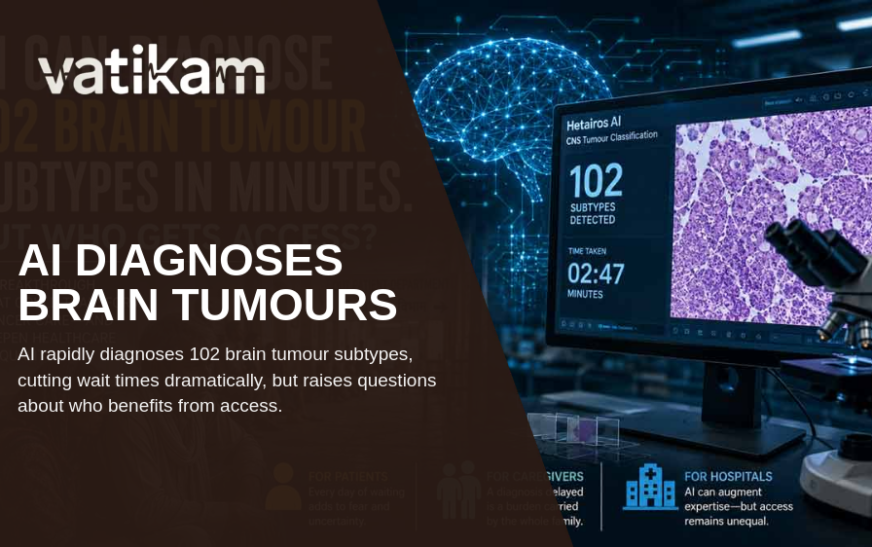
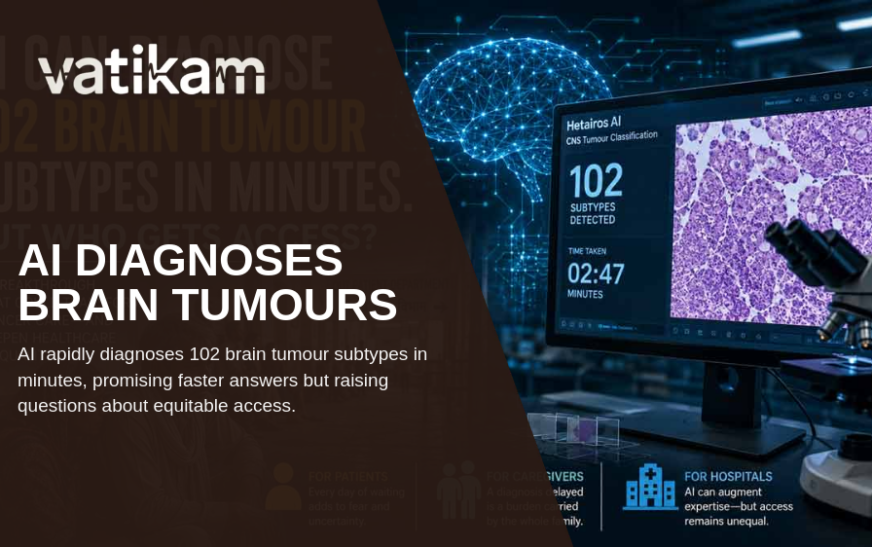
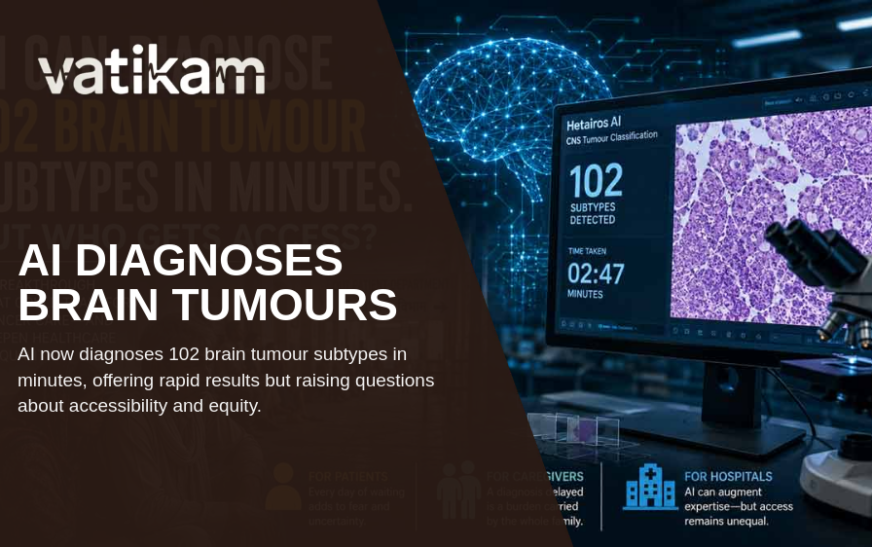
Cancer diagnosis often brings with it a cloud of uncertainty, especially for patients awaiting crucial test results. What if this agonizing wait could be shortened from weeks or days to mere minutes? Thanks to a groundbreaking development from researchers at the German Cancer Research Centre (DKFZ), Heidelberg University’s Medical Faculty, and Heidelberg University Hospital, this is now a hopeful possibility. They have created an advanced AI tool named Hetairos that can analyze standard pathology slides and accurately identify 102 subtypes of brain and central nervous system (CNS) tumors in just minutes.
Why Speeding Up Brain Tumor Diagnosis Matters
Diagnosis in oncology is a critical step that shapes the entire treatment journey. Early and precise tumor classification is fundamental to making appropriate treatment decisions. Traditionally, identifying the diverse subtypes of brain tumors requires expensive molecular testing and the expertise of highly specialized neuropathologists—resources that aren’t always widely available.
With Hetairos, AI is able to detect subtle patterns in routine histopathological images, accelerating diagnosis tremendously. Faster diagnoses mean quicker treatment initiation, reducing patient anxiety and potentially improving clinical outcomes.
The Human Side: Why Time is Precious for Patients and Caregivers
Impact on Patients
A cancer diagnosis affects more than just the physical health of patients. It disrupts lives, careers, and family dynamics. The period of waiting for test results is often filled with emotional turmoil, uncertainty, and fear. The implementation of AI-based diagnostic tools can reduce this waiting time, offering patients faster clarity and enabling them to explore treatment pathways and seek second opinions sooner. It restores a degree of control in an otherwise overwhelming experience.
The Invisible Burden on Caregivers
Caregivers and family members bear substantial emotional and logistical responsibilities during cancer diagnoses and treatment. In many regions, such as India, families provide the backbone of support, juggling tasks from scheduling appointments to managing finances and providing emotional care. Prolonged diagnostic timelines exacerbate stress and uncertainty for caregivers. AI-powered rapid diagnosis could alleviate some of this burden by providing earlier information and enabling better planning and support deployment.
How AI Can Support Healthcare Systems Under Pressure
Health institutions worldwide face increasing patient numbers, workforce shortages, and challenges in providing specialized diagnostics. Neuropathology, a particularly niche expertise, is in short supply. AI technologies like Hetairos do not replace clinicians but augment their capacity, helping hospitals optimize workflows, reduce diagnostic delays, and enhance care quality.
Companies such as PathAI, Paige, and Tempus are already leveraging AI for pathology and clinical decision support, heralding a shift toward precision and efficiency in oncology care.
The Accessibility Challenge: Who Gets to Benefit?
Despite the promise, there remains concern about the equitable distribution of these technologies. India’s healthcare infrastructure faces significant disparities—while top-tier hospitals may have access to advanced AI tools, many district and rural hospitals struggle with basic resources. The risk is that AI-powered diagnostics become confined to premium healthcare providers, exacerbating existing inequalities.
Insurance barriers, administrative hurdles, and infrastructure limitations further complicate access for many patients, especially those in underserved areas.
Bridging or Widening the Healthcare Divide?
The future impact of AI in healthcare depends heavily on deployment strategies. Integrated thoughtfully, AI diagnostics could empower district hospital pathologists to deliver expert-level insights without the need for costly referrals to specialized centers. This democratization of expertise has the potential to reduce urban-rural and rich-poor gaps in cancer care.
On the other hand, if adoption is limited to well-funded private institutions, AI may inadvertently widen disparities, creating a new healthcare divide based on technological access.
Looking Ahead: Responsible AI Integration in Healthcare
The arrival of AI diagnostics in oncology presents both remarkable opportunities and important challenges. Healthcare leaders and policymakers must focus on validation across diverse populations, integration into public health systems, and establishment of governance frameworks that ensure responsible and equitable use.
Ultimately, the promise of AI lies not just in making elite hospitals more efficient, but in extending specialist-level diagnostic support to the millions currently underserved. The next major healthcare divide might well be defined by whether a hospital uses advanced algorithms alongside its clinicians.
Conclusion
Artificial intelligence is transforming the landscape of brain tumor diagnosis by enabling fast, accurate classification of over a hundred tumor subtypes. This innovation has the potential to improve patient outcomes, reduce caregiver burden, and optimize healthcare workflows. Yet, the true measure of success will be how fairly and widely this technology is deployed.
For patients, families, and healthcare providers alike, AI represents a powerful tool with the promise of hope—but realizing its full potential will depend on inclusive access and thoughtful implementation.