
AI Diagnoses 102 Brain Tumour Subtypes in Minutes: Who Benefits from This Healthcare Revolution?
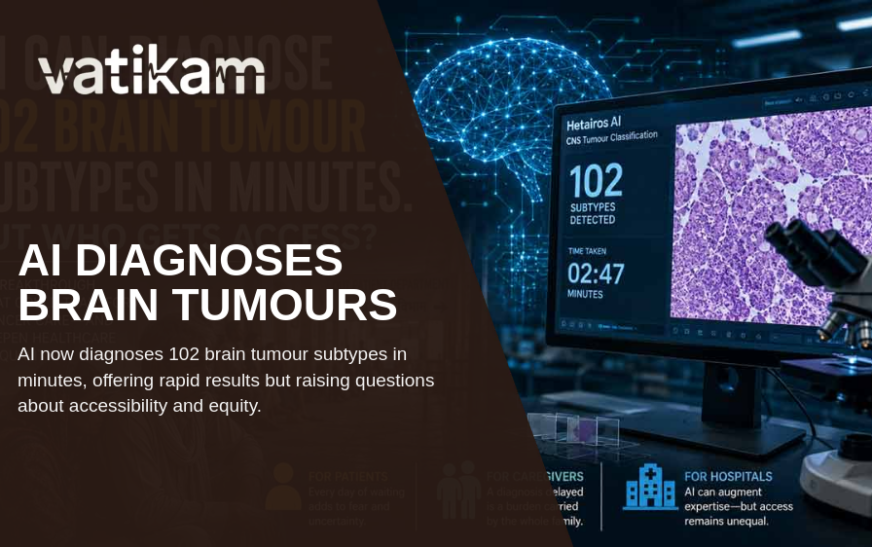
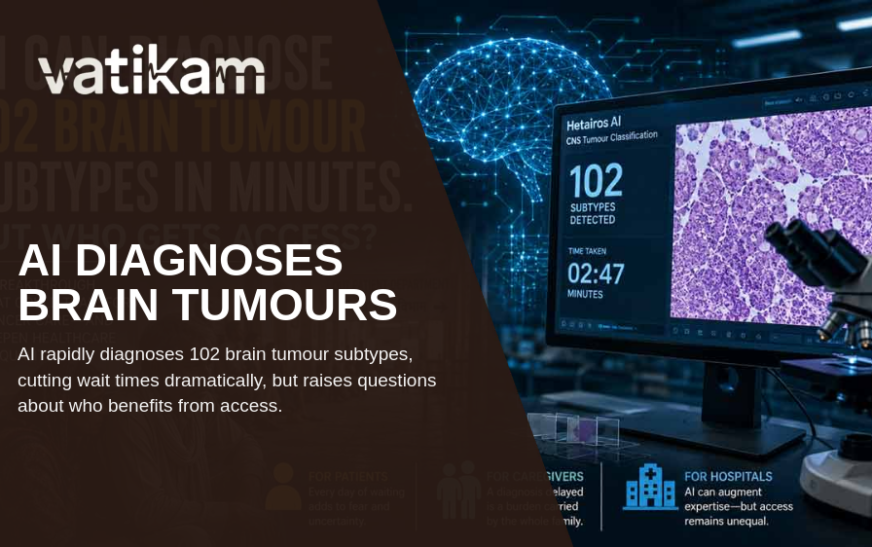
Cancer diagnosis is often a source of immense anxiety, with patients enduring long waits that compound their uncertainty. A groundbreaking development in artificial intelligence (AI) promises to change this experience dramatically by reducing diagnostic times from weeks to just minutes. Researchers at the German Cancer Research Centre (DKFZ), Heidelberg University’s Medical Faculty, and Heidelberg University Hospital have created an AI tool named Hetairos that can analyze standard pathology slides and identify 102 subtypes of brain and central nervous system tumours.
Why This AI Breakthrough Matters
Traditionally, diagnosing brain tumours requires extensive molecular testing, advanced laboratory infrastructure, and highly trained neuropathologists. Hetairos leverages AI to examine routine histopathological images, recognizing subtle patterns to classify a wide range of central nervous system (CNS) tumour subtypes swiftly and accurately. This rapid diagnostic capability can accelerate clinical decision-making, enabling earlier treatment interventions that are critical in oncology.
Reducing Patient and Caregiver Burden
Patients Experience Less Uncertainty
Waiting for a cancer diagnosis disrupts every aspect of a patient’s life, magnifying stress and uncertainty. By delivering faster results, AI tools like Hetairos can help reduce this emotional toll by providing clearer answers sooner. Early diagnostic clarity empowers patients to explore treatment options promptly, seek second opinions if needed, and regain a sense of control during a difficult time.
The Ripple Effect on Caregivers
Cancer’s emotional and logistical challenges extend beyond patients to their families and caregivers. In many countries like India, where families often manage care responsibilities, long diagnostic delays intensify anxiety and complicate planning. Faster AI-driven diagnoses enable caregivers to organize medical appointments, treatment plans, and financial resources more efficiently, easing some of the burdens they face.
Healthcare Systems Under Pressure
Globally, hospitals and clinics face rising patient loads, workforce shortages, and gaps in specialized expertise, especially in neuropathology. AI is increasingly seen as a supportive technology that augments healthcare professionals rather than replacing them. Leading companies such as PathAI, Paige, and Tempus are integrating AI into pathology workflows to enhance diagnostic accuracy and streamline processes.
These technologies can help overburdened specialists improve efficiency and quality of care, but resource disparities may influence how widely and equitably they are adopted.
The Accessibility Challenge: Who Gets To Use AI?
In an ideal healthcare ecosystem, AI tools like Hetairos would be universally accessible, allowing patients in district hospitals and underserved areas to receive the same expert-level diagnostics available at elite centers. Unfortunately, infrastructural and resource constraints in many public hospitals limit this vision, especially in countries with healthcare disparities.
Patients often face multiple referrals, long travel distances, and administrative hurdles such as insurance pre-authorizations, adding delays to an already stressful journey. AI-powered diagnostics might initially proliferate in well-funded private institutions, potentially widening the healthcare gap rather than closing it.
Ensuring Equitable Benefits of Healthcare AI
The true impact of AI in healthcare hinges on deployment strategies. Integrating AI tools into public health infrastructure and investing in digital capabilities could democratize access to specialized diagnosis. For instance, district hospital pathologists could receive AI-assisted analysis, reducing the need for referrals to distant centers and bringing precision medicine closer to patients’ homes.
However, if AI remains confined to premium healthcare networks, vulnerable populations may continue to miss out on these advances. AI itself is neutral; its benefits depend entirely on who can access and utilize it effectively.
Emerging Healthcare Divides and the Role of AI
Healthcare inequality has long been shaped by geography, socioeconomic status, and the public-private divide. AI introduces a new dimension: access to digital diagnostic tools and advanced algorithms. Hospitals equipped with AI may provide faster, more accurate care, while those without may lag behind, creating a novel form of disparity.
This emerging divide underscores the need for policymakers and healthcare leaders to prioritize inclusive technology deployment and address affordability, infrastructure, and training barriers.
The Road Ahead: Balancing Promise and Responsibility
The arrival of AI in diagnosing complex conditions such as brain tumours heralds significant potential to transform healthcare efficiency and patient experiences. However, technology alone cannot solve the challenges of equitable access and implementation.
Robust validation across diverse populations, integration into public healthcare systems, and appropriate governance are essential to ensure AI benefits all segments of society. The future will not be shaped solely by the sophistication of AI algorithms but also by strategic choices about accessibility and ethical deployment.
Ultimately, AI’s promise lies in extending specialist-level diagnostic support beyond elite centers to millions currently struggling to access timely care. Whether AI narrows or widens healthcare gaps will depend on collective commitment to equitable technology adoption and inclusive healthcare policies.