
Is Kashmir’s Traditional Breakfast Contributing to Rising Diabetes and Hypertension?
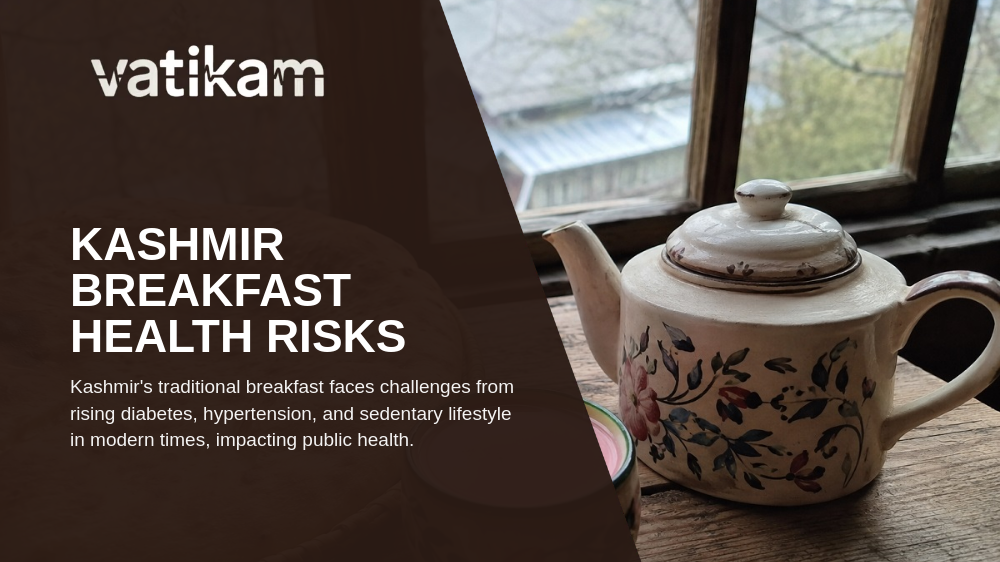
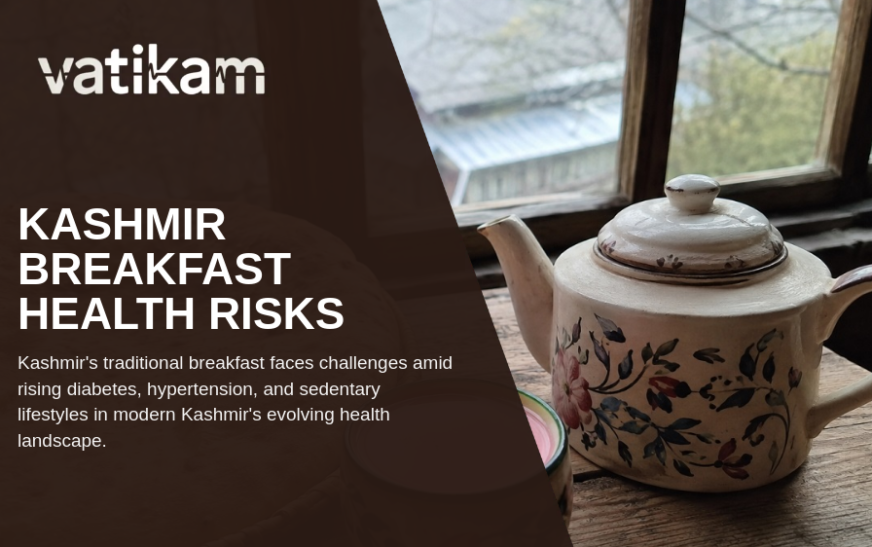
In Kashmir, mornings have long revolved around a cherished ritual: a breakfast centered on hot girda bread fresh from the tandoor paired with steaming pink noon chai. This traditional meal carries immense cultural significance, connecting generations through memory, climate, and family. However, as lifestyles evolve, this beloved breakfast also deserves health scrutiny.
The Cultural and Historical Context of Kashmir’s Breakfast
Historically, Kashmir’s traditional breakfast was designed for a demanding environment characterized by harsh winters and intense physical labor. People engaged in long, strenuous days in orchards, fields, forests, and mountains, frequently walking and burning significant calories. The calorie-dense foods and salty noon chai supported their energy and hydration needs effectively.
The Modern Kashmir Lifestyle and Health Challenges
Today, urban life in Kashmir has shifted dramatically. Extended hours of sedentary work, increased reliance on vehicles, and higher stress have led to reduced physical activity. Meanwhile, health issues such as diabetes, hypertension, obesity, fatty liver disease, and cardiovascular problems are on the rise. Yet, despite these lifestyle changes, breakfast traditions remain largely unchanged, raising important health questions.
Examining Noon Chai and Its Impact
Noon chai, a salt-rich pink tea, often undergoes prolonged boiling and repeated reheating, leading to higher concentrations of tannins and compounds that can irritate the stomach. The major concern is its sodium content. While salt is essential, its excess consumption is linked closely to high blood pressure and heart disease. Many Kashmiris consume several cups of noon chai in the morning, potentially adding excessive sodium to their daily diet unnoticed.
The Role of Refined Flour in Girda Bread
Girda bread’s traditional preparation in clay tandoors remains unchanged; however, the flour has shifted towards refined maida. This refinement removes much of the bran and fiber, producing a softer, commercially appealing bread but with a higher glycemic impact. Consuming breakfasts dominated by refined carbohydrates can cause rapid blood sugar spikes, energy crashes, and hunger returning quickly, contributing to insulin resistance and metabolic disorders over time.
Additional Health Considerations
Beyond nutritional content, the preparation environment also raises concerns. Many tandoors still use firewood in poorly ventilated spaces, exposing bakers to biomass smoke linked to respiratory ailments and chronic health conditions. Protecting bakery workers while preserving traditional flavors is a critical public health challenge.
Finding Balance: Preserving Tradition While Embracing Health
Kashmir’s culinary heritage deserves respect, but it can evolve to meet modern health needs without losing identity. Practical adaptations include:
- Using whole wheat, barley, millet, or mixed-grain flour for girda to enhance fiber and nutrient content.
- Reducing sodium gradually in noon chai to adjust taste preferences without sacrificing tradition.
- Incorporating complementary foods like walnuts, eggs, pulses, yogurt, and seasonal produce to improve nutritional balance.
- Adopting modern smokeless tandoors to protect bakery workers from harmful smoke exposure.
Educational initiatives in schools can also help. Teaching children both the cultural importance and biological effects of Kashmiri foods empowers informed dietary choices, supporting healthier futures.
Understanding Tradition and Science in Harmony
While tradition conveys cultural wisdom, it also reflects historical contexts of scarcity and survival rather than automatic health benefits. Scientific analysis of food’s physiological impact deserves a rightful place alongside cultural appreciation.
In today’s health-conscious world, daily habitual meals matter profoundly. Occasional consumption of girda or noon chai isn’t harmful; the concern is repeated, unbalanced intake aligned with sedentary lifestyles.
The core question for Kashmiris is not whether to abandon tradition but how to adapt it thoughtfully as lifestyles change, preserving both heritage and health.
Author’s Note: The author is a teacher by profession and emphasizes the importance of integrating cultural respect with nutritional science for community well-being.