
Rising in Relentless Crisis: The Impact of Global Uncertainties on India’s Gen Z
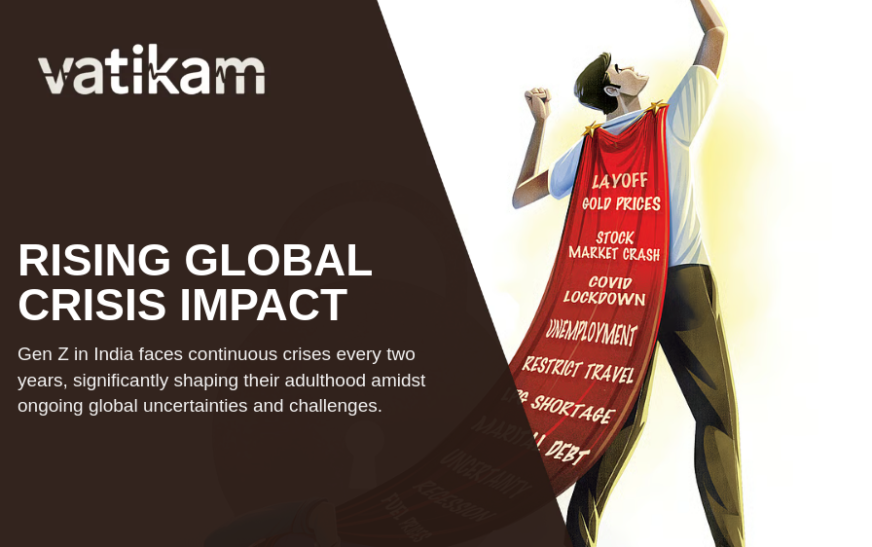
The early years of adulthood were once anticipated to be a phase of steady progress for India’s Generation Z, marked by clear milestones such as education leading to a career, financial independence, and personal growth. However, this linear trajectory has been disrupted repeatedly due to unprecedented global crises that have unfolded every two years, profoundly affecting the lives and outlook of this generation.
Adulthood Interrupted by Consecutive Crises
For many in the early Gen Z bracket (aged 23 to 27), entering adulthood coincided with the onset of the Covid-19 pandemic, an event that abruptly transformed education and social experiences. Traditional college life was replaced by virtual classrooms, delayed graduations, and curtailed social interactions. The post-pandemic period did not bring the expected economic rebound; instead, young adults faced a tough job market characterized by cautious hiring practices and shrinking salaries.
Further setbacks emerged as inflation soared, rent prices escalated, and global conflicts, such as the Ukraine-Russia war and subsequent Iran-US tensions, drove up oil prices and destabilized markets. These issues compounded financial insecurities already prevalent among fresh graduates and entry-level workers.
How These Challenges Shape Gen Z Work and Career Perspectives
The pandemic and subsequent economic instabilities have significantly altered career expectations for Gen Z, compared to Millennials. While previous generations could foresee stable growth through company loyalty and progression, Gen Z navigates frequent layoffs, requires continual upskilling, and often juggles freelancing alongside regular employment to make ends meet.
Automation and the rise of AI threaten traditional entry-level roles, intensifying fears of job insecurity. Many young professionals express frustration at the feeling of constant hustle with diminishing returns, leading to cynicism about workplace loyalty on both sides.
Redefining Freedom and Independence Amid Financial Pressures
Economic strains have reshaped what freedom and independence mean for young adults today. Previously linked to moving out, earning independently, and pursuing travel, freedom now often equates to simply managing daily expenses without external assistance.
- Many have adopted minimalistic lifestyles with reduced discretionary spending.
- Ambitions such as owning property or a vehicle are tinged with concerns over inflation and long-term financial stability.
- Anxiety about future prospects is widespread, with mental health emerging as a crucial priority amid these struggles.
The Psychological Toll and Living in a Constantly Connected Crisis World
Unlike earlier generations, Gen Z experiences global crises in real-time through digital media – from live news updates to social media commentary. This constant exposure intensifies feelings of anxiety and helplessness.
Moreover, social media platforms amplify success stories and lifestyle highlights, breeding comparison and the fear of missing out. Many young adults wrestle with the guilt of not meeting these idealized standards amid their financial and emotional challenges.
Changing Views on Relationships and Future Planning
The financial burdens and uncertainties have also shifted perspectives on personal milestones such as marriage and starting a family. Many delay or reconsider these decisions, prioritizing financial independence and stability over traditional social expectations.
Questions like “Can we afford children?” have replaced “Do we want children?”, reflecting the pragmatic concerns dictated by the current economic environment.
Conclusion: The Challenge Beyond Economic Recovery
For India’s younger generation, the challenge is dual-faceted. It involves not only overcoming economic hurdles but also healing from psychological and emotional stress caused by constant disruptions and instability. The anticipation of the next global crisis looms large, requiring this generation to develop resilience and adapt continually.
While the path forward remains uncertain, the experiences of Gen Z in India highlight a profound shift in how young adults define success, stability, and well-being in a world marked by relentless crisis.