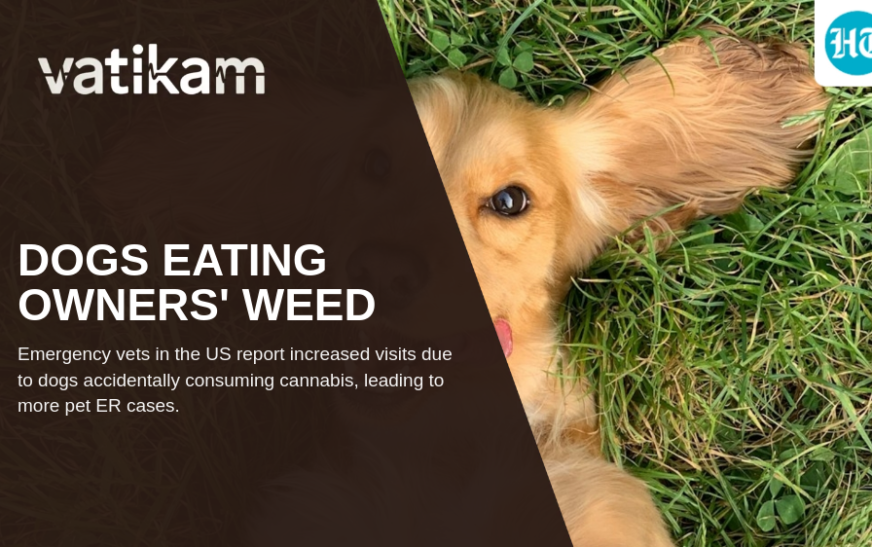


Sharp Rise in Emergency Vet Visits Due to Dogs Accidentally Consuming Cannabis
Emergency veterinarians across the United States have observed a significant increase in cases involving pets, especially dogs, accidentally consuming cannabis products. Recent data indicates that marijuana exposure incidents in pets have doubled in the last few years, raising concerns among veterinary professionals and pet owners alike.
Increasing Incidents of Cannabis Exposure in Pets
A survey conducted by Veritas Veterinary Partners reveals that cannabis toxicity cases involving pets escalated from 51 in 2021 to 102 in 2025 within participating veterinary hospitals. Overall, the network documented 460 marijuana-related pet emergencies across seven specialty and emergency veterinary facilities. Early 2026 figures suggest this upward trend is continuing.
Dogs Constitute the Majority of Exposure Cases
Dogs account for nearly all reported cases, making up 97% of cannabis exposure incidents, while cats represent only 3%. Although most animals recovered without hospitalization, approximately 10% of the cases required more intensive medical treatment. Importantly, veterinarians report that cannabis intoxication is rarely fatal, with no deaths recorded in the study.
Key Causes of Cannabis Exposure in Pets
The main culprits are edible cannabis products, with gummies and similar items linked to 44% of these exposure cases. Loose cannabis plant material is responsible for another 36%. Experts attribute the problem largely to poor storage habits within homes.
- Only 22% of cannabis users surveyed stored marijuana products in locked containers.
- Many admitted to keeping cannabis in easily accessible places such as drawers, shelves, or nightstands.
Outdoor Exposure Risks
A notable 22% of incidents occurred outdoors, including instances where pets ingested cannabis products discarded in public areas. This pattern highlights the importance of responsible disposal of cannabis items to prevent unintended pet exposure.
Risks Associated With Edible Cannabis Products
Allison Rhode Newgent, medical director and board-certified surgeon at Greater Staten Island Veterinary Services, emphasized that edible cannabis products can pose additional risks beyond THC toxicity. Packaging and other ingredients in edibles may not break down easily, potentially causing gastrointestinal blockage that requires surgical intervention.
Challenges in Owner Response and Awareness
Many pet owners are hesitant to seek veterinary care immediately after suspecting cannabis exposure. The survey found that:
- Only 21% of owners sought emergency veterinary treatment right away.
- Another 21% relied on internet research about their pet’s condition.
- Equally, 21% chose to monitor their pets at home without professional help.
- Nearly half used AI tools for guidance on the symptoms and care.
Additionally, 38% of pet owners felt embarrassed about disclosing cannabis exposure to vets, and 36% never contacted a vet at all. Awareness of cannabis poisoning symptoms remains limited, with half of the owners unable to identify any toxicity signs and only 9% familiar with the warning symptoms.
Recommendations for Pet Owners
With marijuana legalization becoming more widespread, veterinary experts urge pet owners to take the following precautions:
- Store all cannabis products securely in locked containers out of pets’ reach.
- Dispose of cannabis items carefully, especially in public spaces, to avoid accidental ingestion by animals.
- Be vigilant for signs of cannabis toxicity in pets, such as lethargy, drooling, uncoordinated movements, or vomiting.
- Seek veterinary assistance promptly if cannabis ingestion is suspected to ensure proper care and recovery.
By adopting these responsible practices, pet owners can significantly reduce the risk of cannabis-related emergencies and protect their beloved animals from potential harm.