
Understanding Emotional Numbness: Causes, Signs, and How to Seek Support
In today’s fast-paced world, many individuals are experiencing a peculiar state of emotional numbness. This condition often goes unnoticed or is misunderstood as mere sadness or depression. However, emotional numbness is a distinct experience where a person feels disconnected from their emotions, unable to react to situations as they normally would. This article explores the nature of emotional numbness, its causes, common signs, and the importance of seeking help to regain emotional balance.
What is Emotional Numbness?
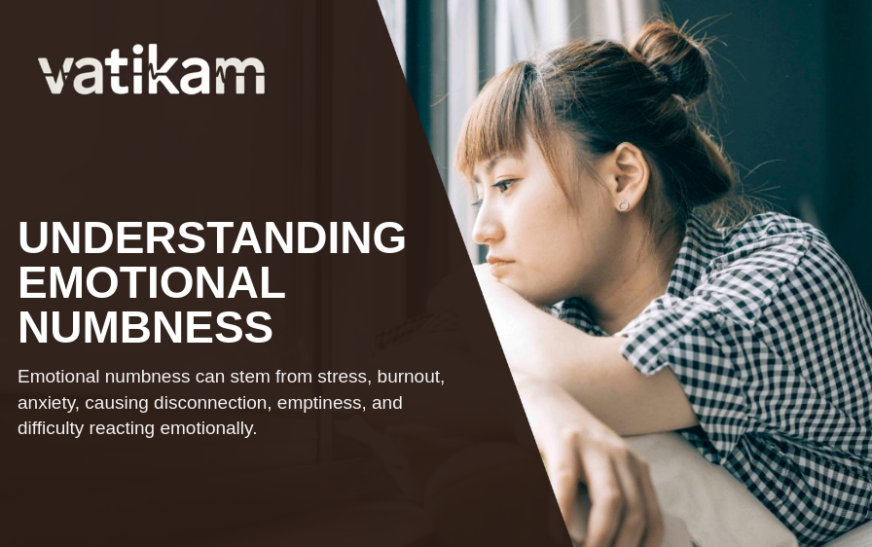
Emotional numbness is a psychological state where one feels emotionally detached or flat. Unlike feelings of sadness or anxiety, people experiencing emotional numbness report feeling as if they have no feelings at all—no excitement, happiness, anger, or grief—even in response to significant life events. Mental health experts describe emotional numbness as the mind’s protective mechanism against overwhelming stress or emotional overload.
Individuals may report feeling “empty,” “blank,” or emotionally distant from reality. While emotional numbness is not always classified as a medical condition, it can be linked to several mental health concerns such as anxiety, depression, trauma, burnout, or chronic stress.
Common Causes Behind Emotional Shutdown
Several factors may trigger emotional numbness. Understanding these can help in addressing the root issues:
- Long-term stress and burnout: Prolonged exposure to stressful situations can exhaust the emotional reserves of a person, leading to numbness.
- Emotional trauma or grief: Experiencing loss or trauma may lead some to shut down emotionally as a defense mechanism.
- Anxiety and depression: These mental health disorders frequently include symptoms of emotional detachment.
- Lack of sleep and exhaustion: Physical fatigue can profoundly impact emotional processing.
- Relationship struggles: Conflicts and distancing from loved ones can contribute to feelings of numbness.
- Social withdrawal or loneliness: Reduced social interaction may exacerbate emotional disconnect.
Additional contributors include excessive screen time, workplace pressures, and constant exposure to negative news, which collectively wear down emotional resilience.
Signs of Emotional Numbness Often Ignored
Emotional numbness tends to develop gradually, making early detection challenging. Some warning signs to be mindful of include:
- Feeling disconnected from loved ones or surroundings
- Loss of motivation or enthusiasm for activities
- Difficulty expressing emotions, including crying
- Persistent mental exhaustion and fatigue
- Lack of interest in hobbies or social engagements
The Importance of Seeking Support
Recognizing and addressing emotional numbness is crucial for maintaining overall mental health. Although simple lifestyle changes such as ensuring adequate sleep, engaging in physical activity, reducing stress, and openly communicating with trusted friends or family can be helpful, professional support may be necessary if symptoms persist.
Mental health specialists emphasize that emotional numbness signals that the mind and body require rest and emotional recovery. Ignoring these signs can exacerbate the underlying issues and impact daily functioning, relationships, and work life.
If you or someone you know is experiencing prolonged emotional numbness, consider consulting a mental health professional to explore effective coping strategies and therapies tailored to individual needs.