
Revolutionizing TB Detection in Andhra Pradesh with AI-Powered Smartphone Screening
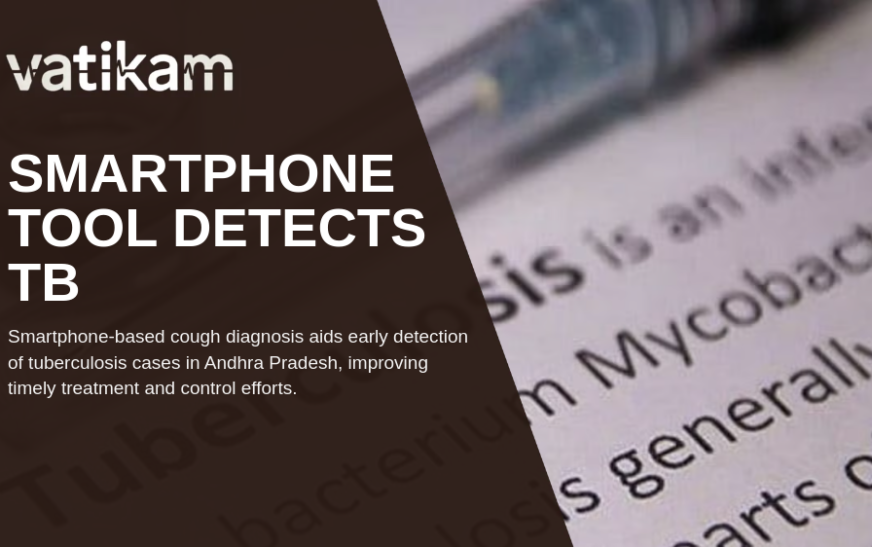
Tuberculosis (TB) remains a pressing health challenge in rural India, where access to timely diagnosis is often limited. However, a groundbreaking initiative in Andhra Pradesh is changing the landscape of TB detection with the integration of artificial intelligence (AI) into smartphone-based respiratory screening. This innovation, led by Hyderabad-based startup Salcit Technologies through its AI-powered platform, Swaasa, is helping healthcare workers identify TB and chronic respiratory diseases early, even in remote and hard-to-reach villages.
The Challenge of TB Detection in Rural Areas
TB screening in rural India traditionally relies on active field surveys and symptomatic patient visits to health facilities, which often results in delayed diagnosis and treatment. Many people, especially elderly residents and daily wage workers, tend to overlook symptoms or are unable to access healthcare services promptly, leading to increased transmission and severe disease progression.
How AI-Powered Smartphone Screening Works
In partnership with the Andhra Pradesh government and the Ratan Tata Innovation Hub (RTIH), Salcit Technologies conducted a pilot project across Primary Health Centres (PHCs) in East Godavari district. Here, Auxiliary Nurse Midwives (ANMs) use a mobile application that records villagers’ cough sounds. The AI engine analyses these sounds in real-time to detect patterns indicative of TB, Chronic Obstructive Pulmonary Disease (COPD), and asthma.
This non-invasive, radiation-free method requires no specialized technicians or consumables, making it highly scalable for public health programs. Through this approach, almost 8,000 individuals were screened in six weeks, providing rapid and reliable risk assessments directly in the field.
Impact and Advantages of the Initiative
- Early and Asymptomatic Detection: Approximately 36 percent of TB cases identified were asymptomatic, which traditional methods may miss.
- Increased Diagnostic Yield: The AI-assisted screening improved TB case detection by about 15 percent over conventional field surveys.
- Identification of Other Respiratory Illnesses: The program uncovered a hidden burden of chronic respiratory diseases with COPD risk between 6.5–9.5 percent and asthma risk around 1.6–1.9 percent.
- Integration with Public Health Systems: The platform seamlessly links with national health databases such as the Ayushman Bharat Digital Mission and Nikshay, ensuring continuity of care.
- Efficient Screening Workflow: The project employed micro-planning, daily screening targets for ANMs, and real-time monitoring dashboards to track referrals and follow-ups, ensuring effective management.
Technology and Certification
The Swaasa platform is certified under stringent healthcare standards including HIPAA, ISO 27001, ISO 13485, and IEC 62304, reflecting its commitment to data security, quality, and medical device compliance. It is also recognized as a Software as a Medical Device (SaMD) by the Central Drugs Standard Control Organisation (CDSCO) in Telangana.
Future Prospects and National Implications
Building upon the promising results in East Godavari, Salcit Technologies plans to expand the AI-enabled screening model to additional districts across Andhra Pradesh. Strengthening integration with state and national TB elimination programs is expected to optimize diagnostic resource allocation and enhance triaging efficiency.
India’s Tuberculosis Mukt Abhiyaan has ambitious targets to eliminate TB by scaling up screening, testing, treatment, and tracking efforts — especially in rural and vulnerable communities. AI-powered tools like Swaasa are pivotal in accelerating these goals by bringing advanced diagnostics to the doorstep of underserved populations.
Conclusion
The use of AI in respiratory health screening represents a transformative step forward for public health interventions in India. For the villagers in Andhra Pradesh’s remote regions, simply coughing into a smartphone app can now reveal critical health information well before symptoms become severe. This innovative approach not only promises to save lives but also sets a replicable model for broader statewide and national adoption, fostering a TB-free India.
By embracing technology-driven healthcare solutions, India can ensure quicker diagnoses, better treatment outcomes, and ultimately stronger disease control, especially for diseases like tuberculosis that disproportionately affect the rural poor.