
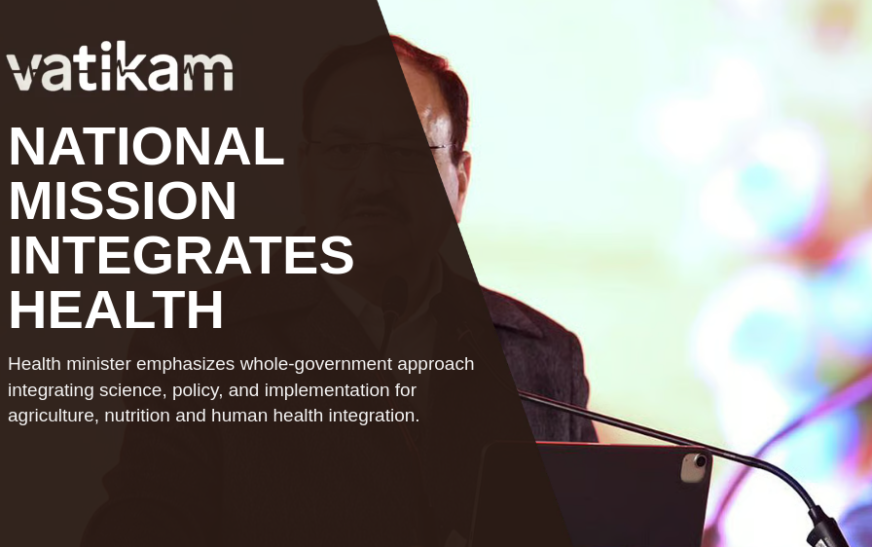
Centre Launches SEHAT Mission: Integrating Agriculture, Nutrition, and Public Health for a Healthier India
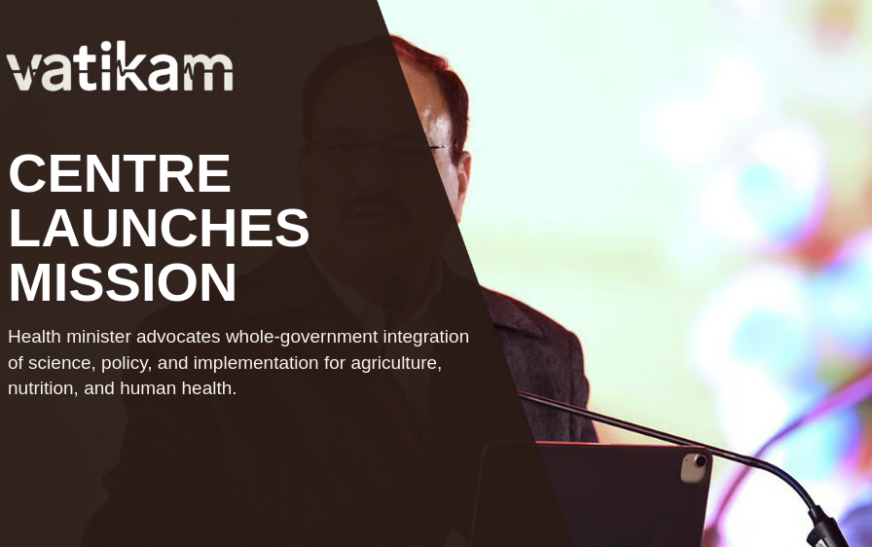
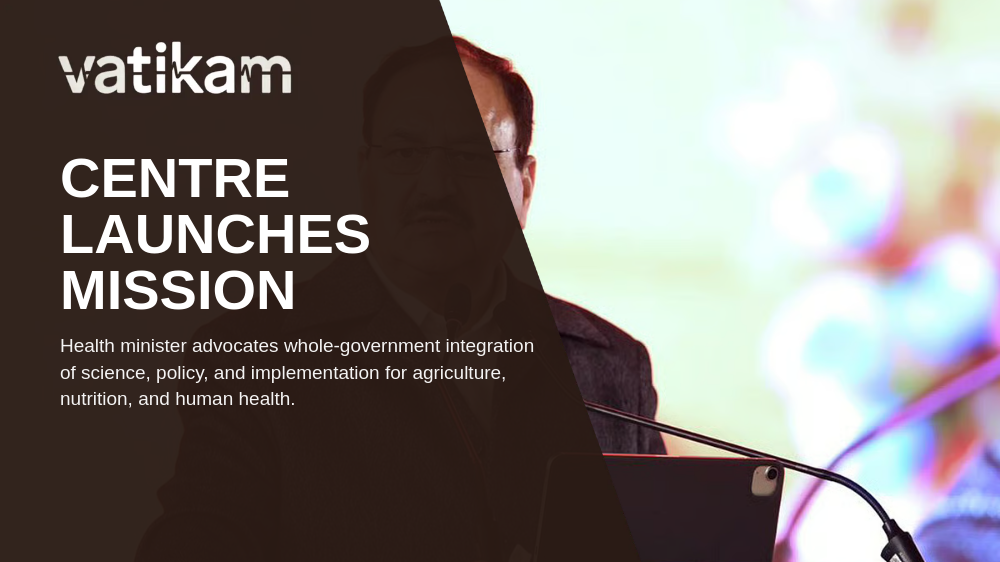
On May 11, 2026, the Government of India inaugurated an innovative national mission called SEHAT — Science Excellence for Health through Agricultural Transformation — aiming to bridge agriculture, nutrition, and public health for improved health outcomes across the country. This transformative initiative brings together key institutions and ministries to foster a multidisciplinary approach addressing India’s complex health challenges.
Motivation Behind the SEHAT Mission
India is uniquely burdened with dual health challenges: persistent malnutrition and the rising prevalence of non-communicable diseases (NCDs) such as hypertension, diabetes, and cancer. Union Health Minister JP Nadda emphasized during the launch that tackling these issues requires a holistic approach combining agricultural innovation with nutritional science and public health strategy.
Highlighting this, Minister Nadda noted that dietary habits play a crucial role in health, urging the reduction of sugar, salt, and oil consumption, echoing Prime Minister Narendra Modi’s call for healthier diets. He also outlined how the Indian Council of Agricultural Research (ICAR) and the Indian Council of Medical Research (ICMR) will collaborate to provide both innovative agricultural solutions and scientific validation, respectively, to address these concerns.
The Collaborative Framework: ICMR and ICAR Partnership
SEHAT is a joint initiative by the ICMR and ICAR, signifying an unprecedented convergence of health and agriculture sectors. This collaboration aims to strategically align agricultural research with national priorities in nutrition, preventive healthcare, non-communicable disease management, farmer well-being, and the One Health concept — the integration of human, animal, and environmental health.
Core Priorities of SEHAT
- Development and evaluation of biofortified and nutrient-rich crop varieties to combat malnutrition.
- Strengthening integrated farming systems to promote dietary diversity, increase farm incomes, and enhance resilience.
- Addressing occupational health risks among agricultural workers with tailored evidence-based interventions.
- Promoting agriculture-enabled strategies to prevent and manage NCDs through functional foods and superior crop varieties.
- Enhancing One Health preparedness via integrated surveillance, diagnostics, and research at the human-animal-environment interface.
Insights from Union Agriculture Minister Shivraj Singh Chouhan
Union Agriculture Minister Shivraj Singh Chouhan underscored the intrinsic link between agriculture and health, citing ancient Indian wisdom that a healthy body is the foundation of overall well-being and national progress. He described the SEHAT mission as a historic and pioneering effort to align agricultural outputs with the nutritional and health needs of the population.
Chouhan emphasized the importance of generating scientific evidence demonstrating the health benefits of specific crops and agricultural practices. He advocated for promoting organic and sustainable farming methods, which contribute significantly to improving citizens’ health. Additionally, educating people about balanced diets and lifestyle diseases is critical, with the potential for food to serve as medicine.
Driving a Healthier Future Through Science and Policy Integration
SEHAT embodies the need for a whole-of-government and whole-of-system approach that integrates scientific research, policy-making, and implementation across sectors. This mission seeks to create a seamless mechanism whereby agricultural innovations translate directly into improved nutritional status and reduced disease burden among Indians.
By focusing on evidence-based interventions and cross-sectoral coordination, SEHAT is poised to address malnutrition, reduce lifestyle disease incidence, and support farmer welfare simultaneously. This integrated approach can pave the way for a healthier and stronger India, aligning with broader national health and development goals.
Conclusion
The launch of SEHAT marks a significant advance in addressing India’s public health challenges through agricultural transformation. Its interdisciplinary foundation combining health sciences and agriculture promises sustainable improvements in nutrition and healthcare outcomes. As India progresses, initiatives like SEHAT will be pivotal in ensuring food security, nutritional adequacy, and overall well-being, fostering a future where food truly becomes medicine.