
Interdisciplinary Research: The Future of Holistic Healthcare in Karnataka
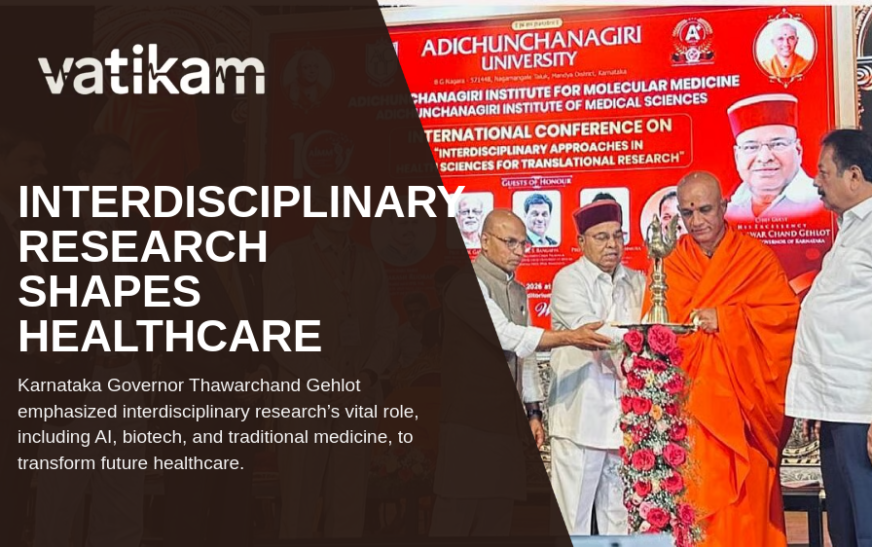
The landscape of healthcare is evolving rapidly, driven by the need for more effective and humane treatment methodologies. Karnataka’s Governor, Thawarchand Gehlot, recently emphasized the growing importance of interdisciplinary research in shaping the future of healthcare. By integrating traditional practices such as Ayurveda and Yoga with modern medical sciences, Karnataka aims to pioneer a holistic approach to healthcare that benefits patients comprehensively.
The Importance of Interdisciplinary Healthcare Research
Healthcare today is not just about treating symptoms but about adopting a comprehensive approach that addresses physical, mental, and emotional well-being. Interdisciplinary research plays a critical role in this transformation by:
- Bridging Traditional and Modern Medicines: Combining Ayurveda and Yoga’s ancient wisdom with cutting-edge medical technologies creates more effective treatment protocols.
- Promoting Holistic Healing: This approach ensures treatments are personalized, considering all dimensions of a patient’s health rather than isolated symptoms.
- Enhancing Research Innovation: Collaborative studies across disciplines fuel innovation, paving the way for novel therapies and preventive care strategies.
Integrating Ayurveda and Yoga with Modern Medical Science
Ayurveda and Yoga have been part of India’s cultural heritage for centuries, offering preventive and curative measures based on natural and holistic principles. The integration with modern science involves:
- Scientific Validation: Research is underway to validate traditional practices using modern scientific methods, ensuring safety and efficacy.
- Hybrid Healthcare Systems: Such systems combine diagnostics, treatment, and rehabilitation methods from both streams to create customized healthcare models.
- Educational Initiatives: Encouraging interdisciplinary education for healthcare professionals to understand and implement integrated healthcare approaches effectively.
The Role of Karnataka in Advancing Holistic Healthcare
Karnataka stands as a forerunner in adopting this interdisciplinary paradigm. The state government and healthcare institutions are investing in initiatives that foster collaboration between traditional practitioners and modern medical experts. These efforts include:
- Setting up centers of excellence for integrative medicine.
- Funding research projects that explore the synergy between diverse healthcare systems.
- Organizing workshops, seminars, and conferences to disseminate knowledge and best practices.
Benefits to Society and the Healthcare Ecosystem
This interdisciplinary approach is expected to:
- Improve Patient Outcomes: Holistic treatments can enhance recovery rates, reduce side effects, and improve overall patient satisfaction.
- Reduce Healthcare Costs: Preventive and integrative therapies might lower long-term healthcare expenditure by focusing on wellness and early intervention.
- Promote Inclusive Healthcare: Accessible to diverse populations, including those preferring traditional medicine, ensuring broader healthcare coverage.
Conclusion
As healthcare challenges become more complex, the integration of multiple disciplines offers a promising pathway to create more humane, effective, and sustainable healthcare systems. Karnataka’s vision, as articulated by Governor Thawarchand Gehlot, to blend Ayurveda, Yoga, and modern medical sciences exemplifies how interdisciplinary research can redefine healthcare’s future, not just in India but potentially worldwide.