
Pharma AI Stuck in Pilot Phase as Drugmakers Focus on Production Efficiency
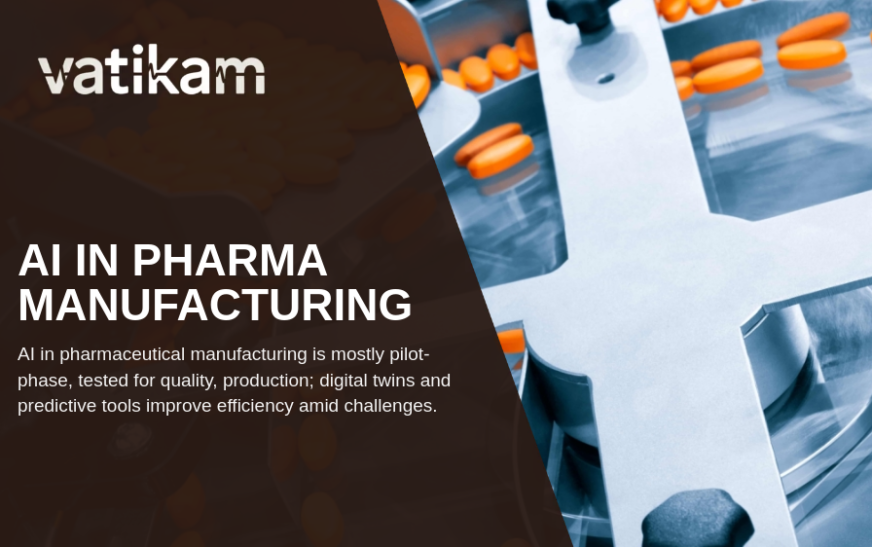
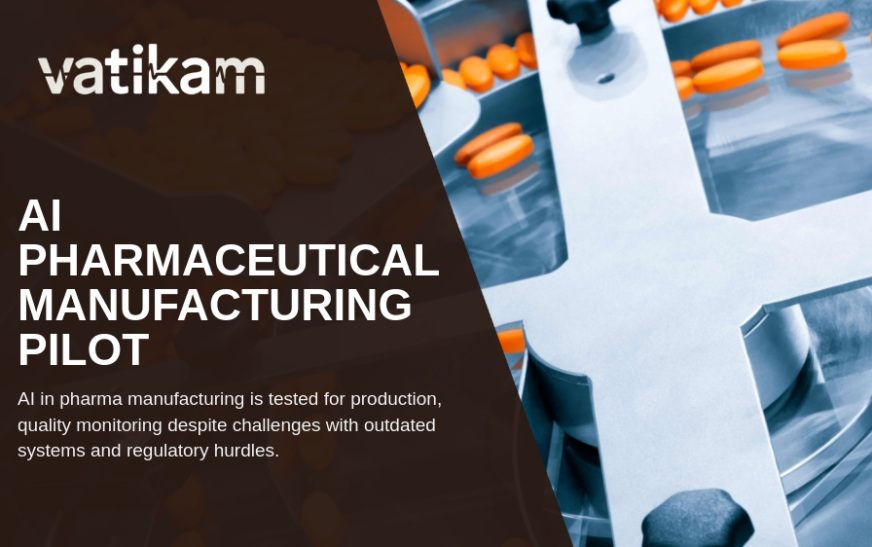
Artificial intelligence (AI) has made waves in many industries, but its integration into pharmaceutical manufacturing is still largely in the pilot phase. Despite the growing demand for treatments for conditions such as obesity and diabetes, drugmakers face significant challenges adopting AI fully in their production lines.
Current State of AI in Pharma Manufacturing
Pharma companies are increasingly exploring AI tools like digital twins, predictive maintenance, and real-time quality monitoring in an effort to optimize factory output and quality. However, most implementations remain experimental rather than widespread operational practices.
One key study from GlobalData highlights barriers such as outdated manufacturing systems, uneven data quality, and complex regulatory requirements that impede broader AI adoption. Furthermore, integrating AI into day-to-day manufacturing workflows demands a delicate balance between technical infrastructure and specialized pharmaceutical knowledge.
Promising AI Technologies for Manufacturing Efficiency
Several AI-driven technologies show promise in pharmaceutical manufacturing, especially when combined with human expertise and operational strategies:
- Digital Twins: These virtual replicas of manufacturing processes allow companies to simulate and optimize production capacity, reducing downtime and waste.
- Predictive Maintenance: AI can predict equipment malfunctions before they cause costly shutdowns, enhancing operational efficiency.
- Real-Time Quality Monitoring: Continuous monitoring helps in maintaining batch consistency and reduces defects.
Experts believe that companies treating AI as an integrated part of their operational model—rather than just a standalone technology experiment—are more likely to reap its benefits.
Regulatory and Market Pressures
The pharmaceutical industry faces commercial pressure not only from production inefficiencies but also from challenges in pricing and reimbursement (P&R) processes. Delays in turning new drug approvals into revenue streams have emerged as a persistent obstacle, according to GlobalData.
On the regulatory front, agencies like the US Food and Drug Administration (FDA) are exploring AI applications themselves, using AI to prioritize inspections through pilot programs. The European Medicines Agency (EMA) emphasizes transparency and human oversight as key concerns when regulating AI in manufacturing.
Looking Ahead: Operationalizing Pharma AI
Success in leveraging AI for pharmaceutical manufacturing hinges on effective execution—particularly the integration of manufacturing know-how with robust digital infrastructure. Drugmakers aiming for scalable AI solutions should focus on embedding these technologies into daily operational workflows.
As pharma firms continue to seek improvements in output and quality, AI remains a promising but challenging frontier. Companies that can navigate regulatory complexities and align AI with manufacturing expertise stand poised to lead the evolution of drug production efficiency.
Conclusion
While AI adoption in pharmaceutical manufacturing is still in its infancy, the technology offers transformative potential to enhance productivity and product quality. Ongoing experiments with digital twins, predictive maintenance, and real-time monitoring signal a future where AI becomes an essential component of pharma operations rather than just a pilot project.
For pharma companies, the road ahead involves overcoming technical, regulatory, and cultural barriers to unlock the full value of AI-driven manufacturing innovations.