
Pharma AI Stuck in Pilot Phase as Drugmakers Prioritize Production Output
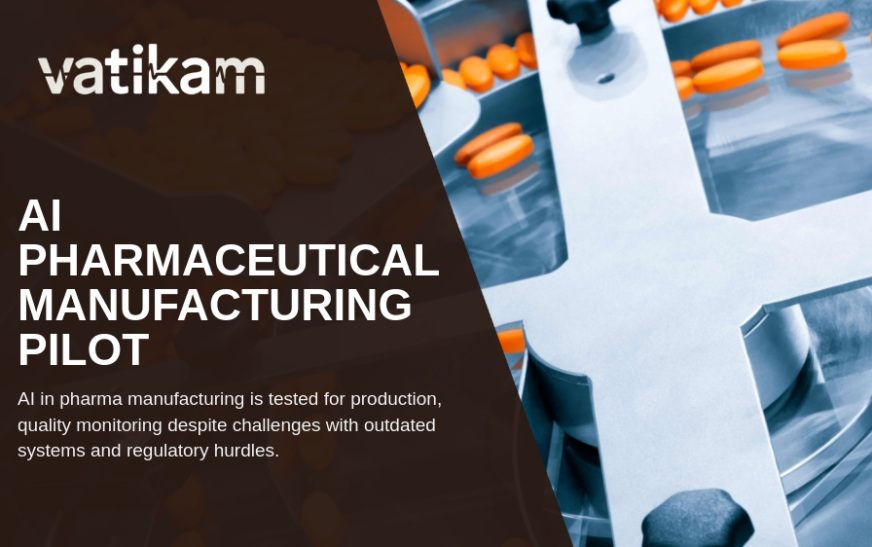
The pharmaceutical industry is witnessing a cautious approach towards adopting artificial intelligence (AI) in manufacturing processes, with most AI applications remaining in pilot phases. Despite the high demand for obesity and diabetes treatments, many drugmakers are still testing AI solutions primarily to enhance production and quality monitoring rather than full-scale deployment.
The Current Status of AI in Pharmaceutical Manufacturing
According to a recent report by GlobalData, there are a number of significant hurdles that hinder the wide-scale adoption of AI within pharmaceutical manufacturing settings. These challenges include the reliance on outdated factory systems, uneven data quality, and the complexities involved in applying AI in environments that face stringent regulatory controls. These factors have collectively kept many AI projects limited to pilot tests.
The report further highlights that successful integration of AI depends heavily on how effectively companies can marry their existing manufacturing expertise with the evolving digital infrastructure. Edita Hamzic, Healthcare Analyst at GlobalData, states, “Success will depend on execution and the ability to combine manufacturing expertise with digital infrastructure in day-to-day operations.”
Emerging AI Tools and Their Potential
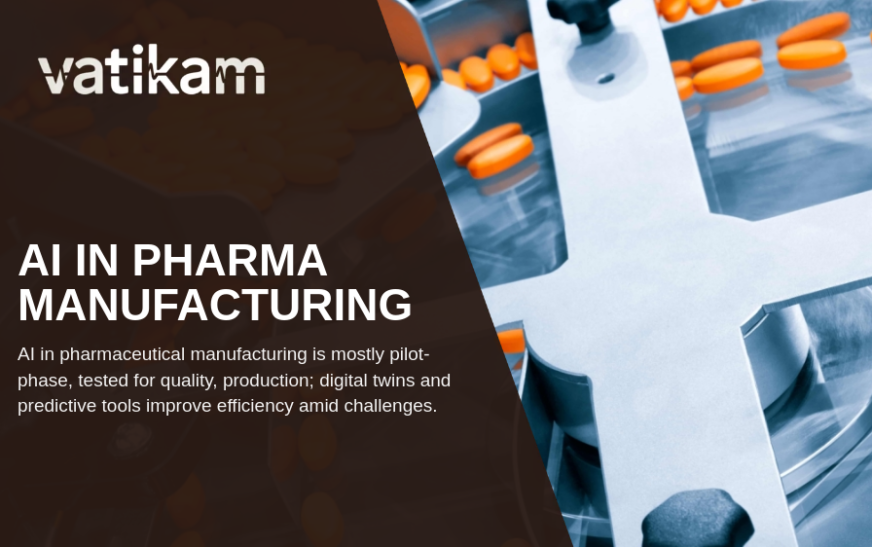
Despite the challenges, pharmaceutical companies are actively exploring promising AI tools that could revolutionize manufacturing processes. Some of the key technologies under assessment include:
- Digital Twins: Virtual replicas of manufacturing environments aimed at optimizing factory capacity and simulating production scenarios.
- Predictive Maintenance: AI-powered tools designed to anticipate equipment failures and schedule timely maintenance, thereby reducing downtime.
- Real-Time Quality Monitoring: Continuous monitoring solutions to enhance product batch consistency and limit waste.
These tools are being tested to streamline operations, reduce manufacturing interruptions, and ensure better product quality.
Strategic Approach to AI Adoption
Hamzic underscores that companies gaining the most from AI are those that consider it an integral part of their operational framework rather than treating it as a separate technology project. This holistic mindset is crucial for realizing sustainable benefits from AI investments.
Broader Commercial and Regulatory Context
The focus on manufacturing improvements through AI comes amidst broader pressures faced by pharmaceutical companies. Delays in converting approved medicines into market revenue, primarily due to pricing and reimbursement (P&R) processes, pose significant challenges. A previous GlobalData report ranked P&R struggles as the third most pressing risk factor after geopolitical and trade uncertainties.
Regulatory agencies are also active in this space. For instance, the U.S. Food and Drug Administration (FDA) is utilizing AI to prioritize inspection activities as part of a one-day inspection pilot program. Meanwhile, the European Medicines Agency (EMA) emphasizes transparency and human oversight in AI implementation to ensure safe and effective manufacturing practices.
Conclusion
While AI holds transformational potential for pharmaceutical manufacturing, widespread adoption is still in its infancy. The path forward lies in addressing regulatory, technical, and infrastructural barriers while embedding AI technologies seamlessly into everyday operations. Companies that navigate this landscape thoughtfully and strategically stand to gain improved manufacturing efficiency, enhanced product quality, and a competitive advantage in a demanding market.
For more insights on pharma AI and pharmaceutical industry trends, stay connected with GlobalData and healthcare industry updates.