
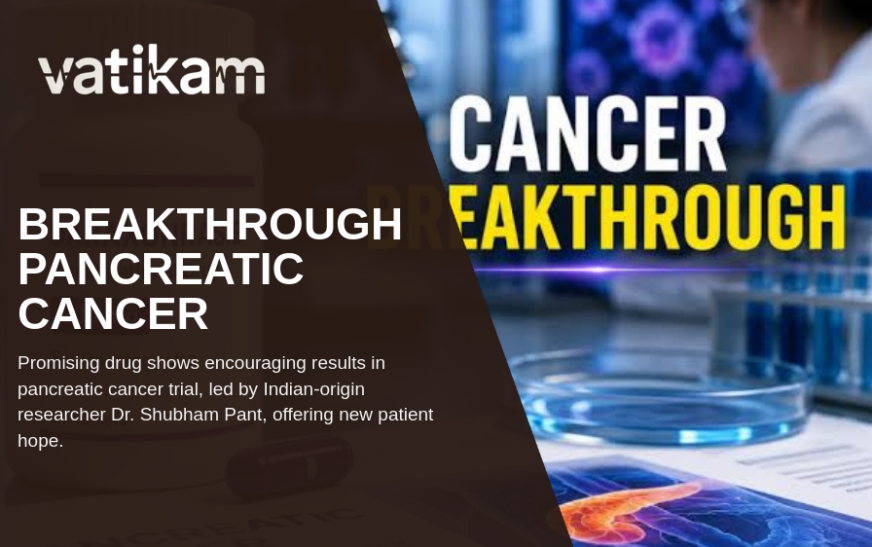
Breakthrough in Pancreatic Cancer Treatment Led by Indian-Origin Researcher
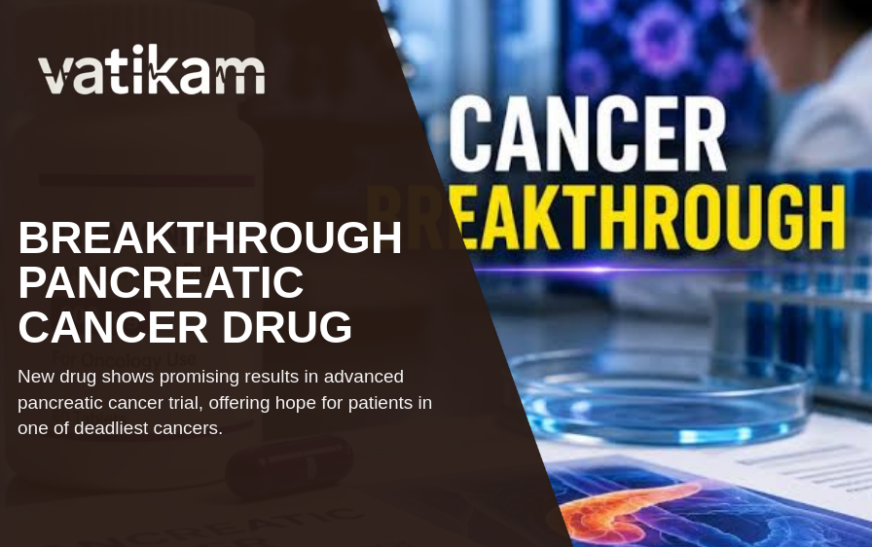
Pancreatic cancer is one of the deadliest cancers, often diagnosed late and leaving patients with limited treatment options and a poor prognosis. However, a recent breakthrough in drug development has provided new hope for patients fighting advanced pancreatic cancer. At the forefront of this discovery is Dr. Shubham Pant, an Indian-origin gastrointestinal oncologist at MD Anderson Cancer Center, who co-led a major clinical trial that has delivered promising results with a new targeted therapy called Daraxonrasib.
The Challenge of Pancreatic Cancer
Pancreatic cancer remains one of the most challenging cancers to treat effectively due to its late diagnosis in nearly 80% of patients, typically at Stage IV when the disease has metastasized to organs such as the liver or lungs. Early symptoms are often vague and mistaken for other less serious conditions, delaying diagnosis and reducing available treatment windows.
Historically, survival rates for metastatic pancreatic cancer have been dismal, with most patients living around one year or less after diagnosis. Dr. Pant highlights that despite advances in oncology, survival rates for this aggressive cancer have barely improved over the past several decades.
Daraxonrasib: A Groundbreaking Targeted Therapy
The new drug, Daraxonrasib, works by targeting the KRAS gene mutation, which drives about 90% of pancreatic cancer cases. This mutation has been notoriously difficult to treat, making Daraxonrasib an important breakthrough.
In the Phase III RASolute-302 clinical trial, patients who had already undergone one round of chemotherapy were divided into two groups — one receiving the standard treatment and the other receiving Daraxonrasib.
Where typical median survival hovers around six months for such patients, those treated with Daraxonrasib saw their median survival more than double to 13.2 months. Beyond survival, patients also reported significant improvements in quality of life, including reduced pain, improved appetite, weight gain, and increased physical activity.
Impact Beyond Pancreatic Cancer
The importance of this discovery extends beyond just pancreatic cancer. KRAS mutations are also prevalent in other major cancers, such as lung and colorectal cancers. As a result, researchers are now studying Daraxonrasib’s effectiveness in these cancers, as well as its potential use in earlier stages of pancreatic cancer following surgery.
While experts caution that Daraxonrasib is not a cure, the substantial survival benefit marks a new era in treating this devastating disease and fuels hope for patients and families affected by pancreatic cancer.
The Road Ahead: Accessibility and Future Research
Researchers are urging governments, healthcare providers, and pharmaceutical companies to collaborate in making innovative therapies like Daraxonrasib accessible and affordable worldwide to maximize patient benefit.
Ongoing global studies aim to validate these findings further and explore the drug’s use in newly diagnosed patients and earlier treatment settings.
Conclusion
The successful clinical trial of Daraxonrasib led by Dr. Shubham Pant represents a significant leap forward in pancreatic cancer treatment. This breakthrough offers meaningful extension of life and improved quality of life for patients facing this lethal cancer and opens new avenues for future cancer therapies targeting KRAS mutations.
As pancreatic cancer continues to pose a formidable challenge, innovations like Daraxonrasib underscore the critical role of research and global collaboration in improving cancer care outcomes and providing hope for patients worldwide.
Stay informed on the latest medical breakthroughs and health news to empower your wellness journey.